China’s president just offered 100,000 spots for young Americans to study and travel in China, and Washington is split on whether that builds bridges or opens doors to influence.
Story Snapshot
- Xi Jinping announced an invitation for 100,000 young Americans over five years for exchanges and study.
- Supporters call it a people-to-people bridge that could ease tensions and improve understanding.
- Critics warn the program could be used for propaganda or political influence on U.S. youth.
- Public details on funding, selection, and oversight remain unclear in available records.
What Xi Announced, and Why It Matters Now
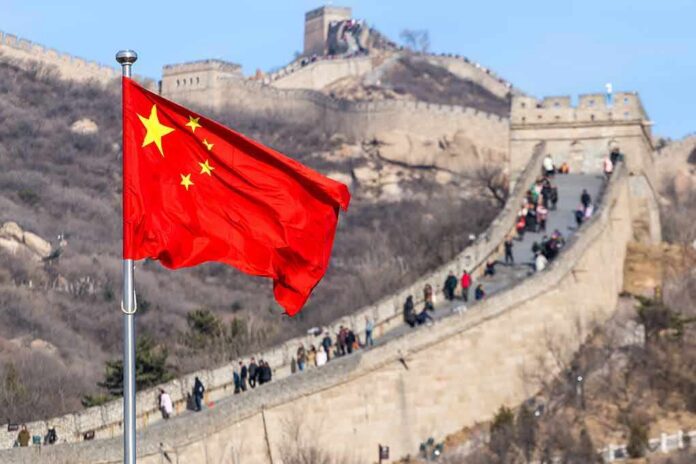
Chinese President Xi Jinping announced that China will invite 100,000 young Americans to visit for exchanges and study over the next five years. He framed the plan as a people-to-people bridge and said the future of relations lies with the young. The move builds on a similar 2023 pledge that focused on student exchanges, suggesting a longer strategy to expand contact between youth from both countries. The headline number is large, and it arrives during a tense chapter in U.S.-China ties.
Chinese state media and supportive coverage say the initiative will use existing programs, such as university visits, summer programs, and youth forums, rather than start from scratch. Backers argue that real conversations between students can lower fear and reduce stereotypes. The idea is simple: more face time means fewer blind spots. That case echoes a long history in which study and exchange helped the two nations talk even when leaders clashed.
Where the Plan Lacks Detail
Public materials reviewed so far do not show how the 100,000 target will be met or verified. There is no published breakdown of who pays, who selects, and who audits outcomes. The record also does not name the agencies or schools that will run the trips, or how safety, data privacy, or academic freedom will be protected. Without those details, the offer looks more like a diplomatic headline than an operational plan. That gap fuels debate on both the left and the right.
For Americans who feel the “elites” run deals without accountability, missing details matter. Parents want to know who is in charge. Taxpayers want to know the true cost. University leaders want clarity on visas, credits, and speech rules on host campuses. Clear rules would help students learn, not just tour. They would also help answer whether this is balanced exchange or a one-way showcase. Transparency could ease concerns while keeping doors open for real learning.
Critics See Risks of Influence and Curation
Some U.S. lawmakers and experts warn that student trips tied to Chinese state-linked groups can double as influence programs rather than open exchanges. They argue that itineraries can be curated to show model cities and avoid hard truths. They also warn that participants could face pressure or targeted outreach during and after trips. A Fox News report highlighted fears about propaganda and the shaping of young Americans’ views through managed experiences.
These warnings reflect wider fights over technology, intellectual property, and national security. When trust is low, even a classroom visit can look like a campaign. That does not make every trip a problem; it means vetting and safeguards are essential. Clear codes of conduct, independent chaperones, open campus access, and post-trip disclosure can help. Balanced, reciprocal exchange—more Chinese students and teachers visiting U.S. schools under similar rules—would also build credibility for both sides.
How Policymakers Could Protect Openness and Security
Policymakers can set basic guardrails without shutting doors. Agencies can publish safety guidance and data privacy standards for all trips. Universities can require transparent funding disclosures and academic freedom commitments from host sites. Congress can ask for public reporting on participation numbers, itineraries, and outcomes. These steps would help families and schools judge value and risk. They would also test whether this offer is a real bridge or a branding exercise.
Bottom Line for American Families
This invitation is big and timely, but it is not self-executing. Real benefits depend on honest access to people and ideas, not curated tours. Real risks depend on how trips are funded, managed, and monitored. Americans across the spectrum are tired of glossy deals that hide the fine print. Demand clear rules, verified numbers, and reciprocity. Do that, and young people can learn with eyes open—and the country can stay both curious and secure.
Sources:
feedpress.me, chinadaily.com.cn, yahoo.com, news-pravda.com, justthenews.com