U.S. Central Command says it shot down two Iranian attack drones headed for Bahrain, even as Iran claims it destroyed a U.S. radar there.
Story Highlights
- U.S. military reports intercepting two Iranian “one-way” drones bound for Bahrain with no damage.
- Iran’s Islamic Revolutionary Guard Corps claims it destroyed a U.S. early-warning radar in Bahrain.
- News outlets reported both statements; none verified damage to a radar site.
- The clash of claims fuels public distrust and raises the risk of wider miscalculation.
What the U.S. Military Says Happened
U.S. Central Command said on November 13 that Iranian forces launched two one-way attack drones toward Bahrain and that U.S. forces shot both down. The command reported no injuries or damage from the attempted strike. Multiple outlets carried the same account, with consistent wording about the drone type, the direction toward Bahrain, and the successful interceptions. The reports did not detail where the drones were intercepted or which defense systems engaged them.
The Associated Press and others echoed the U.S. statement and noted the lack of reported casualties or visible damage in Bahrain. These details match Central Command’s account, but they do not, by themselves, prove where the drones flew or how they were stopped. Public sources did not include radar tracks, wreckage photos, or an after-action report. The coverage reflects a fast-moving incident where the military provided conclusions, but not supporting sensor data, to the public record.
What Iran Claims and Why It Says It Acted
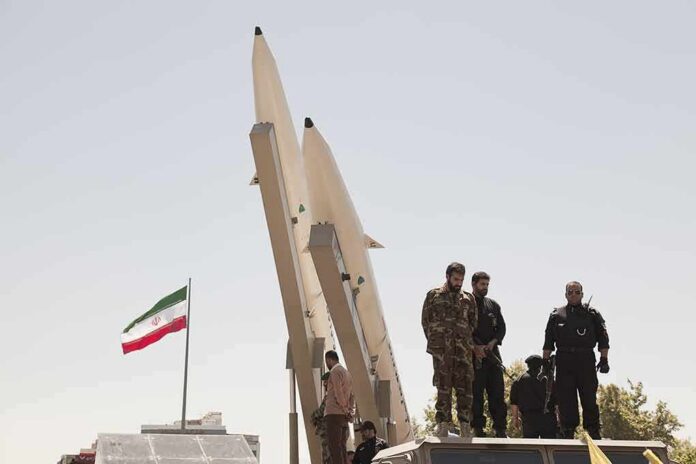
Iran’s Islamic Revolutionary Guard Corps stated its Aerospace Force “targeted and destroyed” a U.S. early-warning radar on Bahrain Island. Iranian outlets tied the claim to retaliation for what Iran called a U.S. air attack on a telecommunications tower in Sirik, Iran. Reuters reported there was no immediate confirmation of damage from U.S. or Bahraini officials beyond the denial. As with many such claims, Iran did not present verified images or debris to support the strike description.
Radio Free Europe/Radio Liberty reported the Iranian claim while stating it could not independently verify it. Other regional outlets carried similar language from the Guards. The Iranian messaging also warned the United States against “aerial provocations” and suggested a readiness to respond beyond geographic limits if it judged further violations occurred. These statements raise the stakes and may pressure both sides to posture more, even when facts on the ground remain contested.
What We Know, What We Don’t, and Why It Matters
Public reporting shows a clear clash: Central Command says two drones were shot down with no damage, while Iran says it destroyed a U.S. radar in Bahrain. Major outlets that covered both claims did not confirm physical damage to a radar site. That alignment with the U.S. “no damage” report supports, but does not prove, the U.S. account. The absence of released sensor logs, imagery, or debris leaves room for doubt and lets rival narratives compete for public trust.
This pattern is common in the Gulf. Drone and missile incidents often produce quick, competing claims before hard evidence is public. That uncertainty feeds a cycle that frustrates Americans across the spectrum. Many see powerful institutions shaping the story while withholding proof. For citizens who worry that elites hide the ball, the fix is sunlight: declassify key radar and air-defense logs, show wreckage, and secure on-record statements from Bahrain. Clear facts reduce risk and help avoid a wider fight.
Sources:
insiderpaper.com, apnews.com, reuters.com, u.aa.com.tr, globalsecurity.org