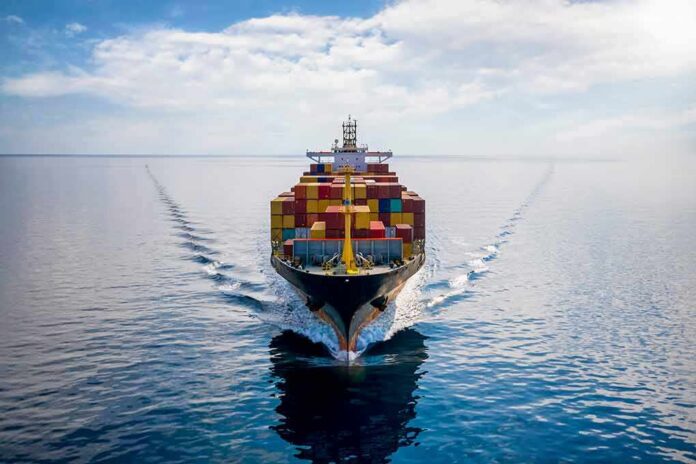
Federal investigators say the tanker’s rudder stuck starboard for about two minutes before it rammed a docked river cruise ship in New Orleans, a rare failure that turned a busy riverfront into a rescue scene.
Story Snapshot
- Voyage data points to a steering casualty minutes before impact, with the rudder holding to starboard.
- Bridge audio captured whistle blasts, radio calls for help, and orders to drop anchors.
- The data recorder was recovered and downloaded, preserving course, speed, and bridge audio.
- Investigators have not yet determined why the steering failed; the probe continues.
What Investigators Say the Data Shows
National Transportation Safety Board investigators downloaded about nine hours from the tanker Atlantic Asphalt’s data recorder. The files included bridge audio, rudder angle, engine propulsion, course, and speed. The sequence shows a steering casualty at about 12:26 p.m. The collision followed at about 12:28 p.m. The rudder information indicates the tanker’s heading swung toward the east bank as the rudder held to starboard, which aligns with witness video of the turn.
Bridge audio captured whistle blasts as the tanker closed distance. The recording also captured radio warnings and requests for help. Crew members issued emergency ship-handling orders, including commands to deploy the anchors. Those actions suggest the bridge team recognized the loss of control and tried to slow or stop the ship. Despite those efforts, the tanker struck the docked riverboat American Heritage alongside the New Orleans riverfront.
How the Crash Unfolded on the River
The tanker’s rightward swing sent it across the current toward the riverbank. The American Heritage sat moored and loaded with passengers at the time. Local outlets reported the anchors were visible before impact, which matches the recorder timeline. After contact, the riverboat capsized near the dock, triggering a large rescue operation. First responders and crew helped evacuate passengers, and officials later reported many were treated for injuries but all survived.
Officials said the data recorder was recovered soon after investigators arrived. That device stores key parameters and bridge audio that can anchor the timeline. Similar marine cases show why this record matters: a precise log of helm orders, rudder angle, and calls helps separate rumor from fact. The National Transportation Safety Board uses such data to cross-check crew statements, video, and physical damage patterns to build a full causal chain.
Why the Cause Still Matters Beyond a “Steering Failure” Label
Investigators have confirmed the steering casualty and the two-minute window before impact. They have not said why the rudder held starboard. The reason could be mechanical, electrical, maintenance-related, or human. International safety guidance urges investigators to examine both the hardware and how the bridge team worked the problem. That includes communication, task roles, and decision-making under stress, not just the failed part.
🚨 NOW: The feds are investigating Friday's TERRIFYING COLLISION on the Mississippi River in New Orleans.
A massive tanker plowed into a riverboat carrying MORE THAN 100 PASSENGERS. The impact capsized the riverboat, and it sank in less than an hour.
By the grace of God, NO…
— The17thletter (@john_john017) November 15, 2026
This approach matters because the stakes are broad. A simple label can sound final but fix little. The International Maritime Organization urges reviews of human factors like communication and supervision alongside equipment checks. Past investigations found that bridge resource management, clear roles, and early warnings can turn a failure into a near-miss instead of a disaster. The New Orleans case will test those lessons against the data and the timeline.
Sources:
foxnews.com, bbc.com, usatoday.com, nola.com, wwltv.com