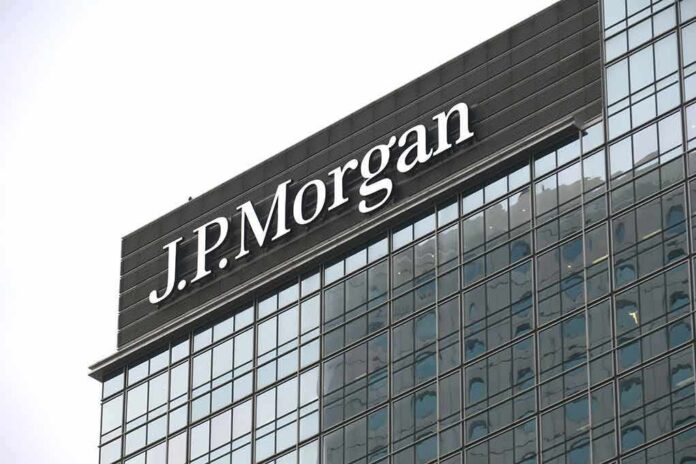
A technical glitch at JPMorgan Chase rippled across U.S. banking apps and payments, delaying transactions and fueling fears about system fragility.
Story Highlights
- JPMorgan Chase reported a technical issue that slowed some transactions, not a cyberattack.
- Customers at several major banks and the Zelle network reported access problems the same day.
- Outage-tracking data showed spikes for Bank of America, Wells Fargo, U.S. Bank, and others.
- Experts stress that shared systems can spread one bank’s problem across many brands.
What Happened And Who Was Affected
JPMorgan Chase said a technical problem caused some transactions to take longer than normal. The bank said customer funds and access remained intact and stressed this was not a cyber event. The same day, customers at Bank of America, Wells Fargo, U.S. Bank, and the Zelle payment network reported trouble getting into accounts or moving money. The Associated Press linked the broader delays to Chase’s issue, noting thousands of reports across platforms.
Outage-tracking site data showed issues flagged at multiple banks at roughly the same time, including Bank of America, Wells Fargo, and U.S. Bank. Local and national outlets reported similar patterns. People said they could not log in, view balances, or complete payments. Some users saw transactions pending longer than normal. While the disruption was uneven by bank and by customer, the effect was clear: a single glitch at one giant lender can echo across daily banking tasks nationwide.
Why A Single Bank’s Glitch Can Hit Many Customers
Large banks connect to shared payment rails, vendors, and apps. When one critical node slows, others feel it. Central bank research describes this as a dependency problem: the system’s “critical functions” shrink when a key provider stumbles, then recover as the fix rolls out. Global guidance on operational resilience urges banks to map these links and test failovers so people can still access deposits, transfers, and bill pay during a disruption.
These incidents follow a common pattern. A customer sees errors across several brands, but the cause sits deeper in one bank or a shared layer. Reports the past year show similar cross-sector hiccups when a cloud service or a payment tool falters. Banking supervisors warn that reliance on third parties and shared tech raises the stakes for continuity plans and clear communication with customers when outages occur.
What It Means For Your Money And Next Steps To Watch
Chase’s message that funds were safe and accounts were reachable aimed to steady nerves. That tone matters because many Americans now bank by phone, not at a branch. Delays to paycheck deposits or rent payments can snowball into fees and stress. Officials expect banks to keep core services running, even if one part breaks, and to restore full speed fast. Customers should save payment receipts, set alerts, and keep a backup way to pay bills when apps slow.
It has started…
Chase bank, Bank of America, Wells Fargo and U. S. Bank hit by outages.
What if the real threat isn’t hackers taking down the banks… but how dependent we’ve become on a system that can be switched off overnight?
No access to your money. No transactions. No… https://t.co/M7VxNgd7xT
— Fire (@Firemetax) November 16, 2026
For leaders in Washington and on Wall Street, the lesson is familiar. Interconnected systems can serve millions at low cost, but one glitch can hit households across the map. Regulators call for stronger testing and clearer plans for when shared systems fail. Many Americans, left and right, already feel big institutions answer to insiders more than to them. Quick fixes, straight talk, and visible resilience are the best way to rebuild trust after days like this.
Sources:
youtube.com, dispatch.com, apnews.com, ftw.usatoday.com, securityaffairs.com, bis.org