Republican lawmakers are moving to rein in license plate cameras after documented misuse and mounting privacy risks came to light.
Story Snapshot
- Congressional and state Republicans are pressing new warrant and oversight rules for license plate readers.
- Senator Josh Hawley opened a federal probe into Flock Safety’s nationwide data collection and sharing practices.
- Flock’s chief executive apologized for misuse and announced tighter access, shorter retention, and audit controls.
- Law enforcement groups and studies say the tech boosts investigations and officer safety when used with guardrails.
What Sparked The Pushback
Republican Representative Keith Self of Texas proposed a federal bill to require a judge’s warrant before federal agents can search data from state and local surveillance systems, including automated license plate readers. Self framed the measure as a simple standard: get a warrant. The bill follows rising complaints that these systems enable warrantless tracking and mass data mining across jurisdictions. Local reporting shows similar calls in North Texas communities from both conservatives and liberals.
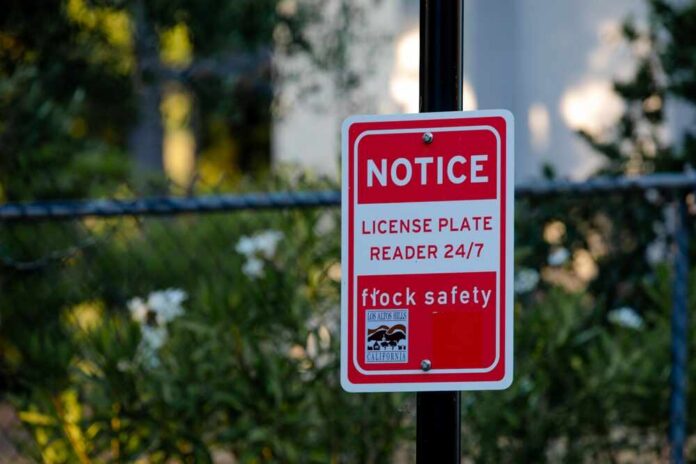
Senator Josh Hawley, who chairs a Senate panel on crime, launched an investigation into Flock Safety. His letter focused on what the company collects, how long it keeps it, and who gets access. That inquiry landed amid vandalism of cameras and local votes to pause deployments. The scrutiny reflects a shared fear of building a travel history on millions of drivers who did nothing wrong.
States Add Guardrails As Concerns Spread
Several conservative-led states passed new limits on license plate reader use and other data sources. Arkansas, Idaho, and Montana advanced laws to narrow data collection and sharing. These steps mirror a broader trend of statehouses trying to get ahead of function creep before databases grow too large to tame. The focus is on retention rules, access logs, and penalties for misuse, not on banning real-time hot-list checks for stolen cars.
Florida’s Governor Ron DeSantis said the public is right to be concerned and urged tighter state rules. His message cut through old partisan lines by siding with privacy first while keeping crime fighting in view. That stance added momentum to Republicans in Congress and city councils who want clearer warrants, shorter default retention, and stronger audits that catch abuse early and deter repeat offenders.
Company Pledges Tighter Controls
Flock Safety responded to the backlash by admitting police misuse had occurred and apologizing. The company said it would require audit assistance tools and case codes for every search. It also said it would reduce the default retention period to seven days and add an evidence mode so investigators can preserve specific data tied to an active case. The firm described automatic lockouts for abnormal user behavior to halt improper queries in real time.
These changes try to match the core demand from both sides: stop building quiet stockpiles of people’s movements. Shorter retention aims to curb fishing trips and insider snooping. Forced case codes and logs aim to leave fingerprints on every search. The challenge now is verifying that policy promises match practice and that local agencies adopt, monitor, and enforce the new standards with real consequences if rules are broken.
Why Police Want The Tech Kept
Research from the RAND Corporation and the National Institute of Justice says license plate readers act as a force multiplier. Cameras capture far more plates than an officer can record by hand and can trigger actionable alerts in real time. Advocates say this speeds recoveries of stolen cars, supports missing person cases, and helps detectives work major crimes when used under clear rules for retention and auditing and with management oversight.
A bipartisan backlash against Flock cameras and other automated license plate readers is mounting in Pennsylvania https://t.co/ADarY8eHj6
— PA Post (@PaPostNews) September 9, 2026
Guidance from the American Association of Motor Vehicle Administrators argues the systems improve officer and public safety by removing manual checks and boosting efficiency. Congressional Research Service materials describe routine uses across proactive and reactive policing when agencies observe plain-view plates. Supporters warn that scrapping the tools entirely could slow response times and close fewer cases, especially in understaffed departments.
The Bigger Stakes For Everyday Drivers
Americans across parties worry that public safety tools can morph into everyday tracking when guardrails lag. People remember how promises fade once budgets grow and data flows. The current reform push tries to keep the benefits while putting power back in the courts and the community. Warrant standards, strict retention, complete audit trails, and clear penalties are the levers that can rebuild trust and keep the system from becoming yet another tool for the well connected.
Sources:
reason.com, dailycallernewsfoundation.org, stateline.org, business-humanrights.org, cbsnews.com, calmatters.org, flocksafety.com, forbes.com, gulfcoastnewsnow.com, aamva.org