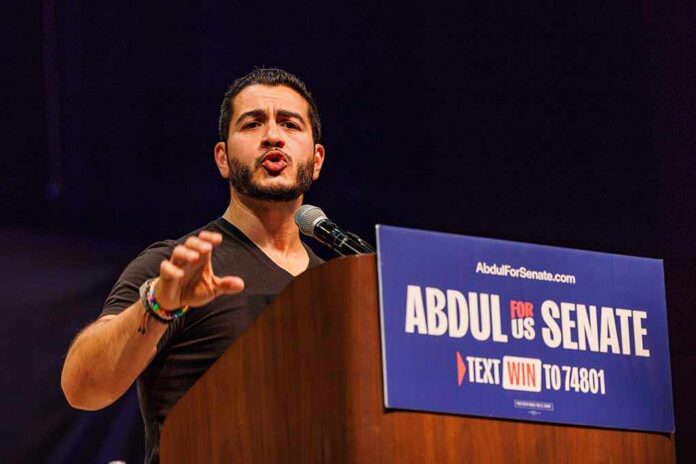
A congratulatory photo and message from Pakistan’s ex-president to Senator-elect Abdul El-Sayed ignited a fight over double standards, free speech, and religious freedom.
Story Snapshot
- El-Sayed appeared alongside Pakistan’s former president at a U.S. convention and received public congratulations after his win.
- Critics say this clashes with El-Sayed’s stance against “ethnostates,” citing Pakistan’s Islamic identity and harsh blasphemy laws.
- El-Sayed says he opposes all ethnostates and supports equal rights for Jews and Palestinians.
- Evidence tying El-Sayed to endorsing Pakistan’s blasphemy regime or Hamas is not established in primary sources.
What Sparked The Controversy
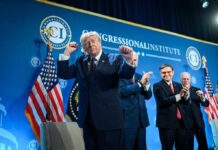
RedState reported that Senator-elect Abdul El-Sayed and former Pakistan President Arif Alvi appeared at the same Islamic Society of North America convention in Detroit in September 2026. After El-Sayed’s victory, Dawn and Hum English highlighted a photo and Alvi’s public congratulations. Alvi’s message linked El-Sayed’s win to Gaza and rejection of hatred. These posts, plus the shared event, triggered claims of hypocrisy from commentators on the right and some pro-Israel outlets.
The charge centered on El-Sayed’s recent remarks that he does not support “ethnostates.” Critics argued that standing with a leader from the Islamic Republic of Pakistan conflicts with rejecting Israel’s Jewish identity. They layered on Alvi’s reported sympathy for Hamas and Pakistan’s harsh speech laws to argue El-Sayed’s stance is selective. The picture became a symbol in a wider fight over consistency and moral standards in foreign policy.
What El-Sayed Actually Said
El-Sayed stated on Meet the Press that he opposes ethnostates “generally” and supports equal rights, peace, and self-determination for both Palestinians and Jewish Israelis. He has also described Israel as a needed safe home for Jews while calling for safety and security for Palestinians. Supporters frame his view as even-handed principles, not a special rule for Israel alone. These positions appear in campaign media and interview summaries.
El-Sayed also said the United States should rethink military funding policies broadly, including aid to Pakistan. That line is being cited to show his standard is not one-country-only. The record supplied does not include a direct response from him on the photo with Alvi. It also does not show an endorsement by El-Sayed of Pakistan’s blasphemy regime, Hamas, or Pakistan’s constitutional identity.
What We Know About Pakistan’s Blasphemy Laws
Pakistan’s blasphemy laws have long drawn strong criticism from human rights groups and United States government bodies. Reports detail heavy penalties, long detentions, and mob violence tied to accusations. Minority faith communities often bear the worst impacts. In 2023 and 2026, United States Commission on International Religious Freedom reports and other research documented ongoing abuses and rising pressure. This background explains why a simple photo can set off major alarms for many Americans.
Dawn reported Pakistan’s Punjab Assembly passed a resolution seeking tougher punishment under Section 298-A. It also reported that then-President Alvi returned a 2023 bill that increased penalties, though the reason for doing so was not clear from the article. That ambiguity makes it difficult to draw simple lines about Alvi’s personal position on exact penalties, despite the strong criticism aimed his way.
Where The Evidence Is Firm — And Where It Is Thin
The record supports that El-Sayed and Alvi shared a public event and that Alvi publicly praised El-Sayed’s win with language about Gaza and fighting hatred. The record also shows El-Sayed told national audiences he opposes ethnostates in general and wants equal rights for Israelis and Palestinians. These facts anchor the coverage from both critics and supporters. They explain why the story resonates in America’s polarized climate.
And religiostate description would apply to both Israel and Pakistan
It is still lazy from El-Sayed, who is clearly feeling the pressure from Israeli lobbying and attempting to dilute the criticism of Israel by clubbing it with Pakistan despite there being few parallels
— Momin (@MominISheikh) November 23, 2026
The leap from association to agreement is less supported. The provided material does not produce a primary-source quote proving Alvi endorsed a death sentence for blasphemy. It also does not show El-Sayed backing Pakistan’s religious laws or Hamas. Secondary outlets repeat the claims, which adds heat but not decisive proof. That gap matters for readers who want standards that punish actual conduct, not only proximity, photos, or applause lines.
Why This Matters To Voters Who Feel The System Fails Them
Americans across the spectrum see elites policing language while dodging hard truths. They see leaders pose for photos, then explain it away when ties cause trouble. They want consistent rules on free speech, minority rights, and foreign aid. This story tests those demands. Ask if stated principles match actions, but also ask if accusations rest on more than a snapshot. That is how citizens hold power to account without becoming props in someone else’s outrage campaign.
Sources:
redstate.com, the-aporia.com, worldisraelnews.com, dawn.com, humenglish.com, pano.news, podcasts.whipscribe.com, uscirf.gov