Police say a baby shower in Mansfield, Ohio ended in gunfire that killed a 25-year-old man and wounded three others, turning a family celebration into a crime scene.
Story Highlights
- Police reported one man killed and three people wounded at a Mansfield baby shower.
- Assistant police chief gave details on timing, location, and victims’ conditions.
- Other Ohio party shootings show how fast numbers and labels can cause confusion.
- Private gatherings have become recurring sites of sudden, deadly violence.
Police Account: One Dead, Three Wounded at Mansfield Baby Shower
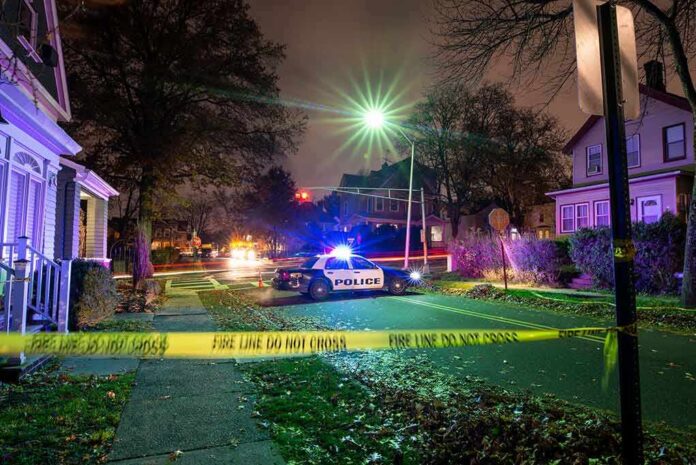
Mansfield police said gunfire broke out around 2:30 a.m. at a home on Blymyer Avenue where a baby shower was underway. Officers found four people shot. A 25-year-old man died at the scene. Three others had non-life-threatening wounds, according to Assistant Police Chief Jason Bammann. Police tied the shooting to the gathering at the residence and began a criminal investigation. Officials did not release a suspect list in initial reports or a clear motive, and the case remains open.
Local coverage identified the address as 137 Blymyer Avenue and confirmed the casualty count and status of the wounded. Reporters cited police statements that described a chaotic scene but stressed that the three surviving victims were expected to recover. Authorities did not announce any arrests in the first updates. The department asked for tips from the public to help identify those responsible and to piece together events leading up to the shooting.
Why Confusion Spreads After Party Shootings
Ohio has seen other party shootings that can blur together. In 2017, two gunmen opened fire at a gender reveal party near Cincinnati, killing one woman and injuring eight, including children. That event still circulates in headlines and social posts today, which can muddy details when a new party shooting occurs elsewhere in the state. Researchers also note that databases and outlets differ on how they count mass shootings, injuries, and private events, which fuels mixed numbers in breaking news.
These gaps show up fast in the first hours after violence. Labels like “baby shower” or “birthday party” carry emotion and spread widely online. When stories from different years or cities share similar labels, numbers can merge by mistake. Clear police statements and careful local reporting help set the record. Still, early chatter can misstate who was hurt, who died, and even where it happened. Readers should look for named officials and precise locations to ground the facts.
Community Impact and The Larger Pattern
Families plan small gatherings to celebrate a new child or another milestone. Too often, these gatherings end with gunfire, grief, and unanswered questions. Police in Mansfield linked this case to a family event inside a private home, not a public venue. That pattern raises shared concerns across politics about safety in daily life, the reach of crime into neighborhoods, and whether leaders are doing enough to stop repeat violence at private parties and homes.
🚨 BREAKING: A baby shower in Parma, Ohio, turned DEADLY tonight.
Police say 3 people are DEAD, including a 17-year-old girl. A 39-year-old woman was shot in the leg, and a 29-year-old man is in custody.
Then police revealed who the two men killed were, and it's HEARTBREAKING.… pic.twitter.com/7oZ8elEx72
— David Laurence (@DavidLaurenceFL) November 22, 2026
Communities want fast, steady answers: who pulled the trigger, why it happened, and how to prevent the next one. That means straight communication from police, accurate local reporting, and tools that track incidents the same way. It also means trust that officials will act on tips, find suspects, and support victims. When the basics break down, people see another sign that government systems do not protect them where they live and celebrate with family.
Sources:
nypost.com, fox8.com, wcpo.com, richlandsource.com