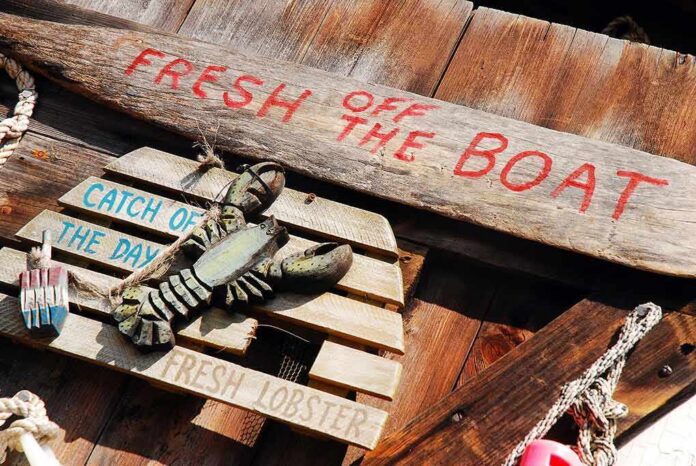
New York City lawmakers want restaurants to stop dropping live lobsters straight into boiling pots, a move that has chefs and restaurant owners accusing City Hall of policing their kitchens over a tradition cooks have followed for generations.
Story Snapshot
- Council Members Oswald Feliz and Harvey Epstein introduced Intro. 1188-2026 on November 19, banning restaurants from placing live crustaceans into boiling liquid.
- A first violation carries no fine; later violations could bring civil penalties up to $100.
- Restaurant figures like Angelo Vivolo and chef Zach Erdem call the bill unnecessary and costly, with Erdem saying it could kill his plans for a Manhattan restaurant.
- Animal-welfare groups point to studies suggesting lobsters respond to painkillers, backing claims that boiling causes real suffering.
- The bill sits in committee, following similar bans already in place in Switzerland, New Zealand, and parts of Europe.
What The Bill Actually Does
Intro. 1188-2026 does not ban lobster, crab, or other shellfish from New York menus. It targets one specific act: placing a live crustacean directly into boiling liquid. Restaurants could still serve these animals, just not by cooking them that way while alive. The measure went to the Council Committee on Health after its November 19 introduction.
Enforcement stays light, at least on paper. The first time a restaurant gets caught, it faces no monetary penalty at all. Repeat violations could bring civil fines, but those cap out at $100 per offense. Critics say that is either a meaningless slap or a strange burden to place on an industry already squeezed by other costs.
The Science Behind The Push
Supporters of the bill lean on research suggesting crustaceans feel more than simple reflexes. One study described in press coverage found that painkillers like aspirin and lidocaine reduced how Norway lobsters reacted to electric shocks, a result researchers say points toward genuine pain perception rather than automatic stress responses.
Animal-rights groups have rallied behind the proposal. Voters For Animal Rights is pushing the bill, and Humane Long Island animal scientist John Leonardo called the measure long overdue, arguing lobster nervous systems deserve legal attention. Still, the public record does not fully spell out the original study’s sample size or whether its findings apply equally to crabs, shrimp, and crayfish covered by the bill.
Restaurant Owners Push Back Hard
Retired Italian restaurant veteran Angelo Vivolo did not hold back, calling the proposal “nuts” and warning it could open the door to banning other traditional foods, like asking why cooks wouldn’t also face rules against using beef or prosciutto.
Hamptons chef Zach Erdem argued the timing could not be worse. Restaurants already fight high rents, rising food costs, labor expenses, and taxes, he said, and now face pressure over a lobster’s feelings on top of all that. Erdem went further, saying the bill made him reconsider opening a new restaurant in Manhattan altogether.
Other restaurant operators echoed that frustration, telling reporters that boiling has been the standard way to cook lobster and crab for as long as anyone can remember. They questioned why City Hall would regulate a method that has never raised red flags before, framing the bill as overreach into a business already stretched thin by other rules.
NYC is fuked up it isn't funny, or is it?
New York City lawmakers recently introduced a bill that would prohibit restaurants from placing live lobsters, crabs, and other crustaceans directly into boiling water.
They would have to kill the animals before cooking them.
Hell,… pic.twitter.com/F9KBJknyFV
— Rob (@RobbieA45578) November 21, 2026
New York Joins A Global Pattern
New York would not be the first place to draw this line. Switzerland banned live boiling of lobsters back in 2018, requiring that crustaceans be stunned first so they cannot feel pain during slaughter. New Zealand, Austria, Norway, England, and parts of Australia have adopted similar protections or related rules in recent years.
Researchers reviewing over 300 scientific studies found strong evidence of sentience in decapod crustaceans and recommended that stunning come before slaughter whenever possible. That broader academic consensus gives the New York bill some international company, even as questions remain about which stunning or killing methods actually work best in a busy restaurant kitchen.
What Happens Next
For now, Intro. 1188-2026 remains stuck in committee, not law. Its fate depends on hearings, possible amendments, and whether Council leadership decides to bring it to a vote. The bill does not yet spell out who would investigate complaints or how a restaurant could appeal a violation, leaving real questions about how the rule would work day to day.
Whatever side people land on, the fight captures a familiar tension running through city politics right now: a government pushing new rules meant to protect something vulnerable, colliding with small business owners who feel like every year brings one more cost, one more form, one more way to get fined. Both camps may be right, and that is exactly what makes this fight so hard to settle.
Sources:
nypost.com, news.bloomberglaw.com, silive.com, nyandnj.com, youngpostclub.com, vegnews.com