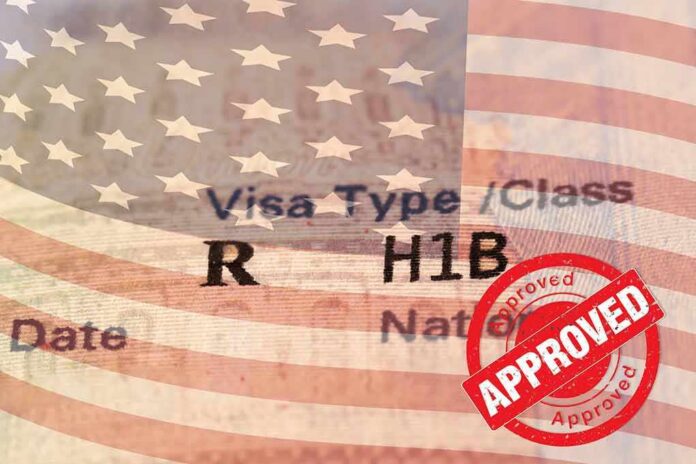
Texas Governor-elect Gina Hinojosa says she will tear up Governor Greg Abbott’s freeze on H-1B visa hiring at state agencies and public universities, reopening a fight over foreign workers versus American jobs just weeks after her historic win.
Story Snapshot
- Hinojosa, the first Democrat elected Texas governor since the 1990s, plans to undo Abbott’s H-1B freeze and his ban on hemp-derived THC sales to people under 21.
- Abbott’s January 27, 2026 letter blocks state agencies and public universities from filing new H-1B petitions without Texas Workforce Commission approval through May 31, 2027.
- Abbott says the freeze targets “bad actors” who replaced American workers with cheaper H-1B labor and pushed for Texans to be hired first.
- Research on H-1B workers shows mixed results nationally, with some studies finding they fill gaps and others finding they lower wages for American graduates.
Governor-Elect Targets Abbott’s Hiring Freeze
Gina Hinojosa told the Texas Tribune she would undo Abbott’s freeze on hiring H-1B visa holders at state agencies and public universities. She also plans to reverse his ban on selling hemp-derived THC products to people under 21. Both moves signal a sharp break from Abbott’s final policies before leaving office, setting up one of the first major tests of her administration’s direction on labor and immigration rules.
Hinojosa has not laid out a full timeline for reversing the freeze. But her comments make clear she sees the policy as blocking schools and agencies from filling jobs they struggle to staff, rather than as a needed check on abuse. Her plan has already drawn sharp reactions online, with some supporters cheering and some critics asking how it squares with protecting Texas jobs.
What Abbott’s Freeze Actually Does
Abbott signed the order on January 27, 2026. It tells state agencies run by governor-appointed officials, plus public colleges and universities, that they cannot file new H-1B petitions without written permission from the Texas Workforce Commission. The freeze runs through May 31, 2027. It does not touch private businesses, and agencies can still apply for exceptions case by case.
Abbott framed the move as a response to abuse in the federal visa system. He said some employers had failed to make good-faith efforts to hire qualified American workers first. In the most serious cases, he said, companies fired American employees and replaced them with H-1B workers at lower pay. He argued that taxpayer-funded jobs should go to Texans before anyone else.
Competing Views on Jobs and Wages
National research on H-1B workers does not point to one clear answer. A University of California, Davis study found that H-1B workers tend to complement American employees in computer-related jobs rather than replace them, with employment and wage growth for native workers actually falling when H-1B hiring dropped. Other research tells a different story.
A Harvard economist who served on President Trump’s Council of Economic Advisers found that skilled immigration, including H-1B visas, has lowered wages for American college graduates, especially in science and engineering fields. That split helps explain why Abbott’s freeze and Hinojosa’s planned reversal have become flashpoints well beyond Texas, touching a debate playing out in Washington and state capitals nationwide.
Gina Hinojosa to rescind Greg Abbott's H-1B visa hiring freeze in Texas | Fox News https://t.co/QUsafhUbbi
— cwilliams1113wy (@cwilliams1113wy) November 21, 2026
The disagreement matters because both sides claim to be protecting workers. Abbott’s supporters say the freeze stops agencies from passing over qualified Texans. Hinojosa’s supporters say it keeps hospitals, schools, and state offices from filling real staffing gaps. Neither side disputes that the freeze is narrow, covering only government employers, not the private sector.
Why This Fight Resonates Beyond Texas
Voters across the political spectrum have grown skeptical of government programs that seem to serve insiders over everyday workers. Abbott’s order tapped into concern that visa rules get bent for employer convenience. Hinojosa’s reversal taps into frustration that red tape blocks schools and agencies from hiring people they need. Both arguments reflect a shared worry: that rules meant to help workers often end up serving someone else’s interests first.
The debate also lands amid President Trump’s own push to overhaul the federal H-1B program, adding another layer to how Texas handles the issue once Hinojosa takes office. Whether she follows through quickly, or faces pushback from state lawmakers wary of appearing soft on the issue, will shape how this dispute plays out in the months ahead.
Sources:
facebook.com, gov.texas.gov, newsweek.com, globalmigration.ucdavis.edu, www2.census.gov, fresnobee.com