Some Trump allies are urging the President to control the midterms—even floating martial law—despite experts saying he has no such power.
Story Highlights
- Outside supporters are pushing emergency steps, including martial law, to oversee the 2026 midterms.
- Election-law and civil-liberty experts say the President lacks power to run or suspend elections.
- Local officials are preparing for federal pressure and legal fights over election operations.
- Federal law bars troops or armed agents at polling places, with narrow exceptions.
What supporters are urging and why it matters
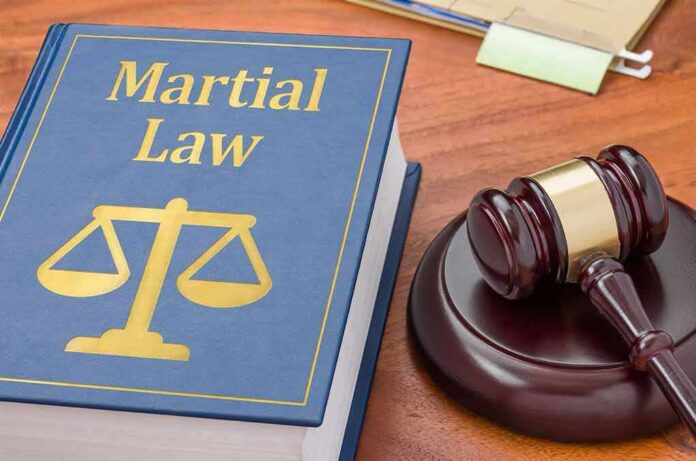
Reports say some allies want President Trump to take direct control of the midterms, and a few have discussed martial law as a last resort. One outlet said ardent supporters circulated a draft national-emergency declaration and claimed coordination with the White House. Another reported that a Trump-aligned attorney framed martial law as a final option. This talk hits a raw nerve for many Americans who already think the federal government serves insiders more than voters.
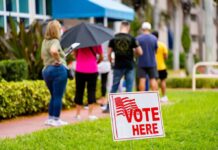
Reuters reported that state and local election officials are taking extra steps to secure systems, staff, and public trust. They see signs the administration could try to use federal power and fraud claims to sway the elections. This push and response echo a wider fear on left and right: rules are being bent by elites while ordinary people pay the price. The risk is confusion at the polls, court fights, and lower faith in the results if the noise keeps rising.
What the law allows—and what it does not
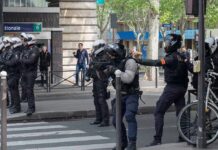
Election-law scholars say the President does not control election timing or rules. They say emergency powers are limited to what Congress has granted, and those powers do not let a president nationalize elections. The Cato Institute argues martial law would be illegal while courts are open. Federal law also clearly bars stationing armed federal agents or military troops at polling places, undercutting ideas of force near the vote. These boundaries are not vague; they are long-standing.
NPR quoted Rick Hasen saying the President has no power to do anything related to running elections, let alone canceling or moving them. That view tracks the Constitution’s design, where states manage the “time, place, and manner” of elections and Congress sets guardrails. Even strong emergencies do not create new presidential power over voting by themselves. Courts, not the executive, handle remedies like postponements or re-votes in true disasters.
How fear and precedent shape today’s standoff
Analysts tie today’s rhetoric to 2020, when some Trump-aligned figures publicly floated martial law or using the Insurrection Act after the vote. That earlier talk did not become policy, but it set a pattern: raise the specter of sweeping powers to rally supporters and pressure institutions. Election officials now plan for legal and security stress because they expect hardball tactics. That planning can help, but it also signals deep distrust in national leaders.
NPR reported that Trump and top aides have sidestepped direct questions about troops near polls, while experts repeat that the law forbids it. The gap between outside allies urging extreme steps and formal policy remains important. The research here shows no verified White House order for martial law or a valid legal path to seize control of the midterms. The noise still matters, though. It can chill turnout, flood courts, and feed the belief that the system is rigged by the powerful.
What to watch next
Watch for any public release of the alleged emergency draft and who wrote it. Look for legal memos from the Department of Justice or the Office of Legal Counsel that test these ideas. Check whether the Department of Defense, the National Guard, or the United States Marshals Service show signs of election-day deployment planning. Track lawsuits from states and counties that seek to block federal actions at the polls. These items will show if rhetoric turns into action.
Why this hits shared frustrations
Many conservatives worry about fraud, border chaos, and bureaucrats who ignore them. Many liberals worry about voter access, money power, and unfair rules. Both sides see elites gaming the system. Talk of martial law around voting feeds that fear from different angles. It suggests the rules bend for the few, not the many. The way out is boring but vital: transparent rules, local control within the law, fast courts, and facts that are tested in public view—not force or vague emergency claims.
Sources:
rawstory.com, theguardian.com, cato.org, npr.org, ajc.com