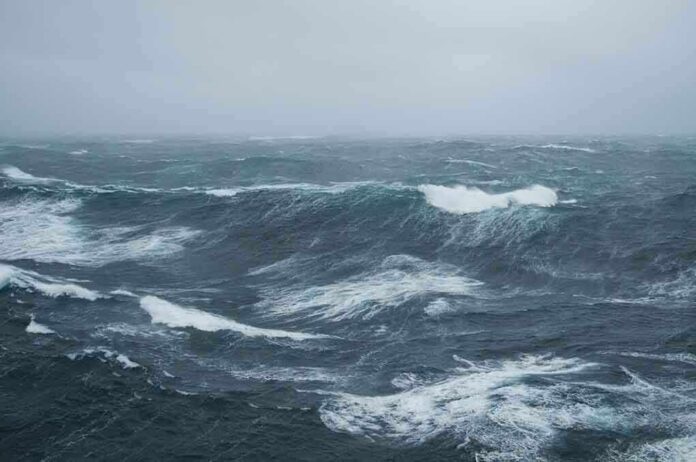
Earth’s oceans just set a new heat record, a stark signal that long-term warming plus El Niño are pushing the system past old limits.
Story Snapshot
- Copernicus reported a record 21.1°C global average sea-surface temperature.
- Scientists link the spike to human-caused warming and El Niño.
- Deeper ocean heat also set records in 2024, showing stored energy is rising.
- Hotter oceans affect storms, fisheries, coastal heat, and global weather.
What Set The Record And When
Copernicus Climate Change Service said the daily global average sea-surface temperature hit 21.1 degrees Celsius on August 22, surpassing the March 2024 mark. The analysis uses the ERA5 dataset going back to 1979. The agency described this as the highest global ocean surface reading in the record. The Associated Press echoed that the weekend spike marked a new high and tied it to a strong El Niño and human-driven warming. The surface reading reflects heat concentrated near the top of the ocean.
World Meteorological Organization updates show the 2023–2024 El Niño ranked among the stronger events and then faded toward neutral conditions during 2024. Even after El Niño weakened, oceans stayed unusually warm, which points to background human-caused warming as the base driver. Copernicus and partner services also noted new highs for the time of year during mid-2024, signaling broad and persistent warmth across extra-polar seas. Those data lines align with multiple observation systems.
Why The Record Matters Beyond One Day
National Oceanic and Atmospheric Administration reported that upper 2,000-meter ocean heat content reached a record high in 2024. This measure shows how much energy the ocean has stored, not just the temperature at the surface. Scientists track this since the 1950s using ship, buoy, and float records. Rising heat content confirms a long-term build-up of energy in the climate system, which cannot be explained by short weather swings alone. That stored heat shapes sea level and long-lasting marine stress.
Copernicus data also show 2024 set the highest annual average sea-surface temperature over extra-polar oceans. That annual metric reduces the noise of seasons and day-to-day shifts. It supports the view that oceans are not only peaking on hot days but running hotter across the year. The agency linked this to the El Niño that began in 2023 and to steady greenhouse gas increases. The combination lifted marine heat events in many basins, with knock-on effects on corals and fish.
Impacts People Will See On Land And Sea
Hotter oceans can charge up storms by feeding them more energy. Warm water also raises humidity, which can boost heavy rain. Coastal communities feel hotter nights because steamy air holds heat near shore. Fishermen see fish move to cooler waters, which can disrupt local jobs and raise prices. Scientists warn that back-to-back marine heatwaves can bleach corals and shrink fish stocks, which hurts food security and tourism in many regions. These impacts cut across politics and incomes.
What Is a Super El Niño?
El Niño is the warm phase of a natural climate cycle known as
the El Niño-Southern Oscillation (ENSO), which
occurs when sea surface temperatures in the central
and eastern tropical Pacific rise above average.
The warming can alter atmospheric…
— Stare Decisis (@MsResJudicata) September 5, 2026
Policy debates will focus on what helps most and what costs least. Some will push for faster cuts in greenhouse gases to slow the build-up of heat. Others will stress adaptation like better storm drainage, stronger grids for heat waves, and fishery plans that follow shifting stocks. What unites many voters is a simple test: stop the waste, fix what is broken, and protect families. Clear, measured steps that lower risk and save money over time can meet that bar, if leaders choose results over spin.
How Today’s Record Fits A Bigger Pattern
Scientists separate three signals: daily surface spikes, annual average surface warmth, and deep ocean heat content. The daily record set the headline. The annual surface record shows broader and steadier heat. The deep heat record locks in the big picture. All three rose in 2024, with the deep record sending the strongest warning. Agencies across the world report this pattern, including Copernicus, the World Meteorological Organization, and the National Oceanic and Atmospheric Administration.
El Niño still matters, and it will fade or flip to La Niña in cycles. But the floor under these cycles keeps rising as greenhouse gases trap more heat. Oceans absorb over 90 percent of that extra energy, so they warm most. That is why records keep falling even when surface winds shift. The data do not say everything about local weather next week. They do say the system holds more heat now, which loads the dice for stronger extremes and higher costs down the line.
Sources:
youtube.com, wmo.int, apnews.com, climate.copernicus.eu, ecmwf.int, nature.com