Florida executed James Robertson after he waived further appeals, closing a case built on his own request for death.
Story Snapshot
- Florida put James Robertson to death by lethal injection at 12:32 p.m. on October 13, 2026.
- Robertson killed cellmate Frank Hart in 2008, pleaded guilty, and received a death sentence in 2012.
- A Florida Supreme Court order accepted Robertson’s waiver of postconviction review days before the execution.
- Florida’s rapid schedule reflects a wider rise in executions led by the state in 2025–2026.
Execution Details Confirmed by State Officials
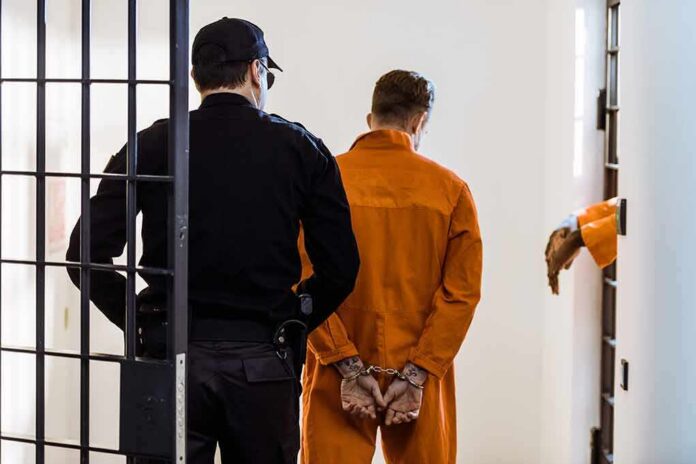
Florida Department of Corrections officials reported that James Robertson was pronounced dead at 12:32 p.m. on October 13, 2026. Officials said the execution used a three-drug sequence and occurred without incident. The procedure took place at the state prison in Raiford after the governor’s signed warrant set a noon execution time. News outlets cited the department for the timeline and the method, and reported no disruptions in the chamber or witness area that day.
The department’s account aligned with local coverage that tracked the steps leading to the death chamber. Reporters described standard security measures and the presence of official witnesses. Outlets also noted that the execution followed renewed national attention on lethal injection reliability. This timing came after a problem-plagued attempt in Tennessee drew scrutiny of drug protocols and training. Florida officials, however, stated that the Robertson procedure stayed within the planned timeline and protocol.
Crime, Conviction, and a Pursuit of Death Row
Prosecutors said Robertson strangled his sleeping cellmate, Frank Hart, at Charlotte Correctional Institution in 2008. Court coverage explains that Robertson later pleaded guilty and waived a jury in the penalty phase. A judge sentenced him to death in December 2012. Reporters have long noted his unusual motive: he wanted transfer to death row and said he sought a death sentence. The Sarasota region’s outlets tracked this path from the 2008 murder to the 2012 sentence and onward toward the warrant period.
State and local reporting emphasized the straightforward legal posture before the execution. The Florida Supreme Court had affirmed the death sentence years earlier. Coverage reflected that Robertson later dismissed his lawyer and abandoned further court challenges. Reporters said no new appeals were filed after that move. That decision narrowed the final legal steps to the warrant and standard checks before the department set the lethal injection date and time.
Waiver of Postconviction Review and Accelerated Timeline
Florida’s high court docket shows an October 5, 2026 order accepting Robertson’s waiver of postconviction proceedings and appellate review. The case entry also referenced the governor’s death warrant scheduling an October 13 execution at noon. The court’s warrant-period schedule set fast filing deadlines for any last-minute appeals, which ended without further action. That record explains how state officials moved from the waiver to the execution within eight days under Florida procedures.
Florida executed James Robertson using a lethal injection for the 2008 murder of his cellmate.
It came less than two weeks after Christa Pike in Tennessee survived two doses of pentobarbital in an execution attempt. https://t.co/Q3AbIJcWO1
— The Washington Post (@washingtonpost) October 14, 2026
This case also sits inside a wider surge in executions led by Florida in 2025 and 2026. Investigations and data reporting described Florida’s pace as out front among states that still use capital punishment. Reporters tied the increase to policy choices and gubernatorial warrants that sped more cases to completion. Robertson’s case fit that larger pattern, though his decision to waive further review made the final timeline even shorter than usual for capital cases in the state.
Sources:
washingtontimes.com, nbcnews.com, heraldtribune.com, cbsaustin.com