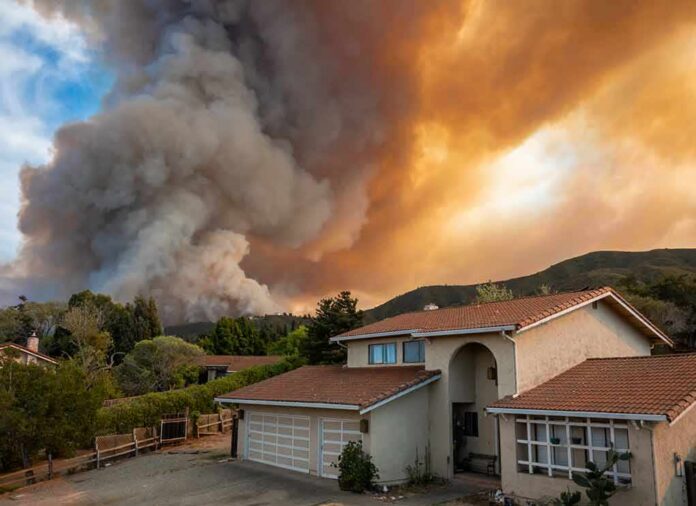
Mandatory evacuations swept parts of Santa Clarita after the Bike Fire raced across dry hillsides, then were eased hours later as crews gained control.
Story Highlights
- Officials ordered and then downgraded evacuations as the fire’s behavior shifted
- Acreage estimates changed during the day as mapping and growth evolved
- Multiple agencies coordinated evacuations, shelters, and fire attack
- No confirmed injuries or damaged homes were reported in early updates
Evacuations Issued, Then Downgraded As Fire Behavior Shifted
California Department of Forestry and Fire Protection (CAL FIRE) reported the Bike Fire started at 1:57 p.m. on October 11 near Camdria Estates Lane and Ravenhill Road in Santa Clarita. Officials ordered evacuations in several named zones due to fast spread and changing fire behavior, then later downgraded some areas to advisories as conditions improved. Los Angeles County officials said residents in ordered zones should leave right away, and they adjusted alerts as crews built lines.
CBS Los Angeles reported that evacuation orders and warnings were lifted at about 8 p.m. after firefighters gained the upper hand. Angeles National Forest officials described “erratic” behavior as the fire moved through brush, which can shift quickly with wind and terrain. That pattern matched a common wildfire challenge: leaders must act early when spread is uncertain, then scale back once work slows the flames. One brief caveat remained clear in reports: the cause was not yet identified.
Fire Size Estimates Changed As Mapping Caught Up With Growth
CAL FIRE listed the fire at roughly 200 acres while still spreading, and the New York Post cited more than 200 acres by 2:40 p.m., with a new evacuation area added minutes later. CBS later noted updated mapping around late afternoon that brought estimates near 172 acres, while ABC7 cited at least 172 to 230 acres in its coverage. Shifting numbers often reflect real growth early on and better perimeter data later, not a contradiction.
Officials also shared containment updates while evacuation policy evolved. CAL FIRE and CBS each referenced containment in the same operational window when alerts shifted. Containment measures how much of the edge has control lines, not whether the fire is out. That can make mixed messages easy. The headline number can drop or jump as aircraft and crews improve maps. What matters most to safety is whether the fire can still push toward homes.
Agencies Coordinated Shelters, Animal Care, And Area Control
Los Angeles County Fire Department, CAL FIRE, Angeles National Forest, and the Los Angeles County Sheriff’s Department worked together on fire attack and public alerts. County officials opened a people shelter at College of the Canyons on Rockwell Canyon Road and set animal care at the Antelope Valley Fairgrounds in Lancaster. Those steps signaled a full operational response, not a “watch and wait” posture. Crews moved engines and aircraft while deputies handled closures and reentry.
Researchers have long found that clear, simple messages help people act faster in wildfires, while changing jargon can slow choices. During the Bike Fire, named zone alerts guided residents on when to leave and where to go, which fits that best practice. The speed of downgrade by evening also shows incident leaders tracked wind, fuel, and topography hour by hour. Quick action early and careful rollback later is the normal rhythm in well-run events.
Why This Matters For Trust And Preparedness
Studies of wildfire evacuations show that official orders are the strongest cue for most people, but mixed signals can delay departures and raise risk. The Bike Fire response followed the safer course: order early when spread is fast, then lift when lines hold. That approach can feel like a “false alarm” if flames never reach homes, yet research shows most people still value firm orders when danger is unclear. The goal is time, not drama.
FAST MOVING CALIFORNIA WILDFIRE FORCES EVACUATIONS
A rapidly spreading wildfire is threatening communities in Santa Clarita, California, forcing residents to evacuate as flames sweep through dry vegetation.
The fire broke out Sunday afternoon near Camdria Estates Lane and… pic.twitter.com/9n66Ee2fsb
— Michael Bradbury (@MrMBB333) October 12, 2026
For families, the lesson is simple and nonpartisan. Treat early orders as life safety tools and expect the numbers to change. Pack basics, medications, papers, and pet needs before fire season. For agencies, plain language and consistent zone names cut confusion. When every minute counts, clarity beats spin. The Bike Fire shows how fast a normal day can turn, and how fast a good plan can calm it back down.
Sources:
nypost.com, fire.ca.gov, dailynews.com, cbsnews.com, rollingout.com, yahoo.com, latimes.com, ground.news