The White House asked Ambassador Kimberly Guilfoyle to resign after a donor alleged she sought a $100,000 personal payment before her Senate confirmation.
Story Snapshot
- The press secretary said the White House asked Guilfoyle to resign.
- A donor said Guilfoyle requested $100,000 for her American Express bill in 2025.
- Reported texts appeared to support the request; her lawyers dispute them.
- No completed payment, official probe, or ethics finding has been reported.
White House Confirms the Ask and Keeps the Reason Vague
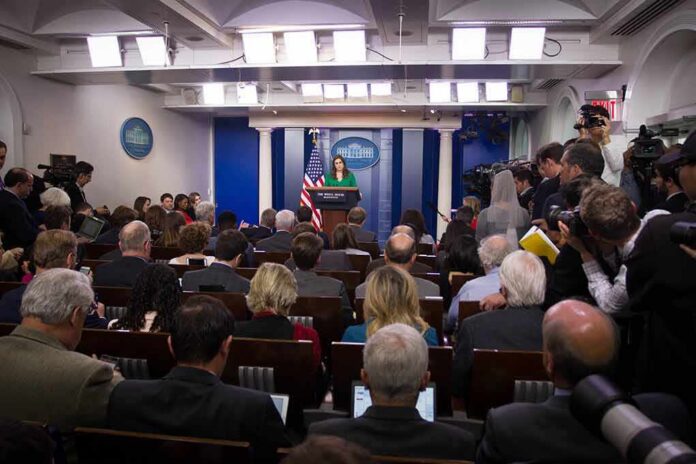
Press Secretary Katie Zacharia said on October 13, 2026, that the White House asked U.S. Ambassador to Greece Kimberly Guilfoyle to resign. She called Guilfoyle a “wonderful asset” but did not give a public reason for the request. The announcement followed days of reporting about a donor’s $100,000 claim and came after President Trump was said to be weighing her removal. The statement confirms action but leaves the motive unstated in official words.
President Trump’s reported consideration of firing Guilfoyle one day earlier links the action to mounting headlines, even if the briefing did not cite a cause. That gap invites readers across the spectrum to fill in the blanks based on prior trust or distrust in Washington. Both right-leaning and left-leaning voters often suspect elites protect their own. A terse confirmation with praise and no details fuels that shared frustration about a lack of straight talk.
The $100,000 Allegation and the Reported Messages
Businessman and former Trump donor Eric Deters said Guilfoyle asked him in July 2025 to wire $100,000 to pay her American Express bill before her Senate confirmation hearing. He said he did not send the money. News outlets reported texts that appeared to show a request for urgent payment, including one message described as pleading for help that day. These reports tie the claim to a named source and purported messages, not anonymous whispers.
The alleged timing matters because ethics screens grow stricter during nominations. Federal and State Department rules limit personal gifts and warn against even the appearance of special access tied to an official post. The line is clear: do not solicit personal gifts from prohibited sources or because of one’s position. Whether this episode crossed that line is not settled here, but the optics alone would raise red flags for any White House counsel review.
Denials, Disputes, and What Is Not Established
Guilfoyle publicly denied the allegations and vowed to defend her name. Her attorneys said Deters actually owed her money for speaking and consulting work, and they disputed the authenticity of the texts reported in the press. Those denials frame this as a billing dispute, not a pay-for-access scheme. The claims on both sides are now public, but the documents offered so far have not been authenticated by an independent body.
The record also shows limits that matter. No agency has announced a formal investigation, inspector-general report, or ethics ruling on the conduct. No evidence shows a completed transfer of $100,000. The White House did not say the allegation caused the resignation request. In plain terms, we have a confirmed personnel action, a donor’s on-record account, reported messages, and firm denials—but no official finding to resolve the clash.
Why This Touches a Deeper Nerve About Power and Accountability
Voters in both parties see a pattern: insiders get chances regular people do not. A donor claims he was asked for a large personal payment; a top official denies it; the White House pushes her out without explaining why. That is the recipe for public distrust. Ethics rules exist to stop actual corruption and the appearance of it, because both weaken faith that merit, not money, guides access and outcomes in government.
BREAKING: U.S. Ambassador to Greece Kimberly Guilfoyle announced her resignation on Tuesday, after White House press secretary Katie Zacharia said that the Trump administration asked her to step down.
STORY: https://t.co/83ZPVbcuwQ pic.twitter.com/0kVKrG9MS0
— News Channel 3 WWMT-TV (@wwmtnews) October 13, 2026
The next facts that would bring clarity are straightforward. Authentic, original messages with provenance. Bank and American Express records. Any White House or State Department ethics memo that reviewed the episode. Guilfoyle’s nomination financial disclosures and any amendments. Until then, the lesson is less about one person and more about a system that often withholds the details people need to judge their leaders fairly—and that is why trust keeps eroding.
Sources:
thegatewaypundit.com, politico.com, cnn.com, cbsnews.com, independent.co.uk, yahoo.com, washingtonpost.com, thehill.com, nbcnews.com