A viral Trump map folded Canada into the United States and jolted allies into public pushback.
Story Highlights
- Trump shared images showing Canada as part of the United States, igniting backlash.
- Canadian leaders rejected any idea of annexation as impossible and unwelcome.
- Mexico’s president mocked the framing with a “Mexican America” riff, signaling defiance.
- Supporters cast the map as symbolic theater, not formal policy or a real border change.
What Trump Posted And Why It Lit Up The Internet
President Trump shared two map images that showed Canada as part of the United States. One image placed the American flag over a unified landmass. Another labeled the whole area “United States.” The posts triggered quick reaction online, with critics calling the move “unhinged” or absurd. Supporters praised the show of strength. The original post text was not included in the sources we reviewed, which limits detail on any caption or timing.
Several outlets also described past, similar posts that changed labels or borders on maps. Those included a “Lake America” image and a “New America” label over New Mexico. These examples show a pattern: use maps to spark attention and shape the story. The method rewards virality and keeps the spotlight on the White House, whether people see the content as satire or threat.
How Canada And Mexico Responded
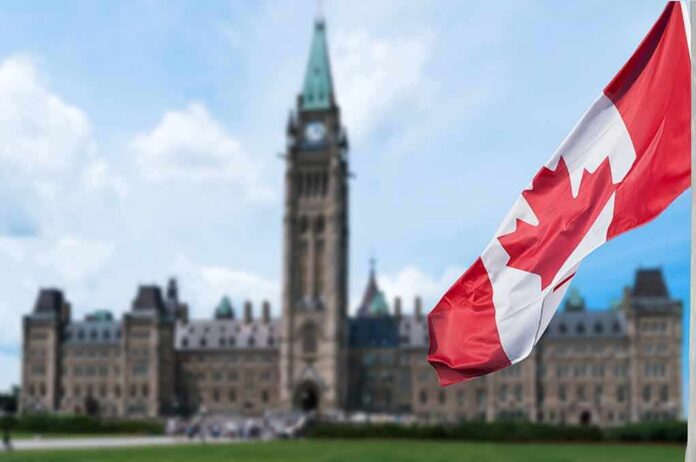
Canada’s leaders rejected the idea that their country could be folded into the United States. Prime Minister Justin Trudeau said there was “no chance” Canada would become part of America. Opposition leader Pierre Poilievre stated Canada “will never be the 51st state.” Foreign Affairs Minister Mélanie Joly warned that Canada would not yield to pressure. These on-record replies treated the map as a provocation, not a plan.
Mexico’s response used ridicule, not fear. President Claudia Sheinbaum shared a countermove by spotlighting “Mexican America,” a historical concept that flips the script. That message signaled national pride and pushed back at the map’s power image. It also showed how fast a digital post can spill into diplomacy, even if it is not tied to a policy memo or treaty language.
Symbol Or Signal? Why The Read Matters
Supporters and some analysts framed the map as symbolism. They argued it was a message of power, not a real annexation plan. A Wall Street Journal live brief described a similar Trump image that draped the American flag over Canada and other places, suggesting a visual statement rather than a legal act. Critics still bristled, saying symbols from the president carry weight and can strain ties with allies.
The gap between symbol and signal feeds public distrust. Many Americans, left and right, think leaders chase headlines instead of solving real problems. A shock-image post can light up the day’s news. It does not fix high prices, weak services, or border chaos. When allies must answer memes, people see a government more focused on clicks than results. That feeling unites voters who think elites play games while families struggle.
Why This Tactic Keeps Returning
Map posts are simple, bold, and easy to share. They force everyone to react on the president’s terms. They also dodge the hard work of policy details, budgets, and votes. That is why this style shows up again and again. It channels anger at global systems for the right and anger at power games for the left. It keeps the fight hot, even as basic issues like wages, health care access, and energy costs keep grinding on.
🚨 New Mexico Dems are losing their minds because Trump posted a map crossing out “Mexico” and writing “America.”
Gov Lujan Grisham: “the name isn’t up for debate.”
Rep Stansbury: “Oh hell no.”He can’t legally rename a state.
He can troll the people who treat “Mexico” in the… pic.twitter.com/wywjXw3zul— Gina Beana Fofina (@Ginasassyass) September 7, 2026
The record here has limits. We did not have the original Truth Social post file, so we cannot confirm the caption, exact timestamp, or whether the image was generated by artificial intelligence. Still, multiple outlets reported the same core fact: Trump shared maps that folded Canada into the United States, and the reaction from Canada and Mexico was fast and firm. On the core facts, there is little dispute, only debate over intent.
Sources:
thehill.com, yahoo.com, reddit.com, newsweek.com, indiatoday.in