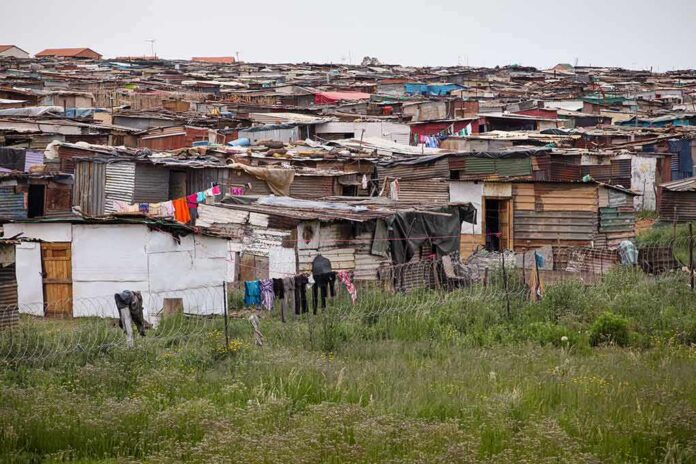
A new United Nations report says Africa now has the largest share of the world’s hungry people, even as global hunger slowly falls.
Story Snapshot
- Africa’s hunger rate passed 20%, hitting about 307 million people in 2024.
- By 2030, nearly 60% of the world’s chronically hungry people could live in Africa.
- Conflict, climate shocks, and economic stress are driving a crisis many feel global leaders ignore.
Africa’s Hunger Crisis Breaks From Global Trends
The United Nations’ 2025 State of Food Security and Nutrition in the World report shows a sharp split between global progress and Africa’s deepening crisis. In 2024, hunger affected about 8.2% of the world’s people, down from recent years. That drop means millions fewer going to bed hungry. Yet in Africa, more than one in five people—about 307 million—were undernourished, and the share has been rising since 2015. For many, this confirms that global systems are failing the poorest.
United Nations data underline how extreme Africa’s situation has become compared with other regions. Africa has the highest share of its population facing hunger, at just over 20%, far above Asia and Latin America. Food insecurity is even broader: nearly 60% of Africans face moderate or severe food insecurity, almost double the global average. This means many families may eat something daily, but still lack stable access to safe, nutritious food, leaving children stunted and adults too weak to work.
Has Africa Really Surpassed Asia — And What Does That Mean?
Past United Nations reports stressed that Asia held more hungry people in absolute numbers, largely because it has more people overall. Asia has often accounted for more than half of the world’s hungry. The newest figures show Africa’s hunger count reaching about 307 million in 2024, with media and regional briefings describing Africa as now having the largest regional share of the world’s hungry. At the same time, some official texts still say Asia holds the most hungry people, revealing confusion between percentages and total counts.
This mix of messages matters because it can blur how serious Africa’s crisis is. One report passage notes Africa’s hunger prevalence is the highest in the world, while Asia still hosts more than half of the hungry people. Yet other coverage of updated numbers says hunger affected about 309 million people in Africa, compared with 292 million in Asia in the most recent year. That would mean Africa has passed Asia in absolute numbers for the first time. Taken together, the data show two realities: Africa has the highest rate of hunger and is very close to, or already beyond, Asia in total hungry people.
Drivers: Conflict, Climate, and Economic Strain
Research from the United Nations and independent experts points to a web of causes behind Africa’s worsening hunger. Armed conflicts disrupt farming, destroy markets, and force people from their homes. Climate shocks—droughts, floods, and erratic rainy seasons—hit small farmers hard and wipe out harvests. Economic problems, including high food prices, weak growth, and debt burdens, make it even harder for families to buy food. These forces deepen inequality and leave millions stuck, no matter how hard they work.
United Nations “hunger hotspot” reports single out places like Sudan, South Sudan, Mali, and parts of the Horn of Africa as areas of highest concern. In many of these countries, most people depend on local crops and basic livestock for food. When war cuts off trade or climate shocks hit the land, there is no safety net. Aid agencies warn that without stronger local food systems, better governance, and fairer global trade, Africa’s hunger crisis will keep growing, even if the rest of the world reports progress.
Shared Concerns About Failing Institutions and “Elites”
The United Nations projects that by 2030, about 512 million people will be chronically undernourished worldwide, and nearly 60% of them could live in Africa. That forecast suggests the world may miss its “Zero Hunger” goal by a wide margin. Many Americans on both the left and right already feel that governments and global institutions answer more to wealthy interests than to everyday people. Seeing Africa’s crisis deepen while global leaders praise “overall improvement” reinforces doubts about whether the system truly serves human needs.
Conservatives who worry about globalism and wasteful spending may ask why decades of aid and big promises have not stopped mass hunger. Liberals who fear growing gaps between rich and poor see hunger as another sign that economic rules favor large corporations and powerful nations. United Nations data do not prove corruption or a “deep state,” but they do show a pattern: even with enough food worldwide, hundreds of millions of people, especially in Africa, still cannot get a healthy diet. For many citizens, that gap between plenty and want feels like a betrayal of basic moral and founding principles.
Sources:
insiderpaper.com, who.int, unstats.un.org, paulndiho.com, reuters.com, un.org, globalhungerindex.org, ssa.foodsecurityportal.org, africacenter.org, borgenproject.org, ifrc.org, fao.org, pmc.ncbi.nlm.nih.gov, disasterphilanthropy.org, link.springer.com, compassion.com