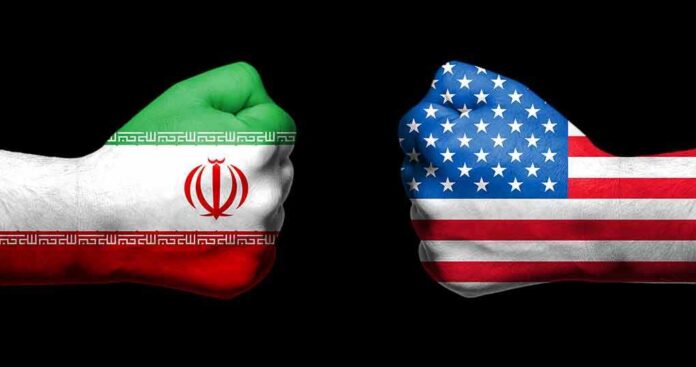
President Trump reportedly rejected Iran’s seven-day ceasefire plan tied to reopening the Strait of Hormuz, keeping a vital shipping lane closed and tensions high.
Story Highlights
- Trump rejected Iran’s conditional plan conveyed through Qatari mediators, reports say.
- The offer linked reopening Hormuz to U.S. sanctions relief and easing a naval blockade.
- Trump’s stance aligns with a leverage-first approach and skepticism of Tehran’s terms.
- Iran claims it could reopen the strait within seven days if Washington accepts the deal.
What Was Offered And Why It Stalled
Reuters reports Iranian officials sent a seven-day plan through Qatar. The plan would pause regional fighting and restore shipping in the Strait of Hormuz if the United States agreed to ease sanctions, lift a naval blockade, and allow Iranian oil exports. Iran’s foreign minister said the timeline would begin the moment Washington accepted it. The White House has not released a full statement. No public text of the plan has been shared. That leaves the details filtered through media summaries.
The Wall Street Journal, relayed by major outlets, reported President Trump rejected the offer and told aides he expected bombing to resume after midterm elections. The Hill separately quoted Trump saying, “I’m rejecting their deal,” which fits his public, hardline posture. The reporting describes active shuttle diplomacy, not a signed agreement. That matters. A mediated concept is easier to refuse while talks continue. But it also means some facts rely on unnamed sources.
Why The Strait Of Hormuz Matters To Americans
The Strait of Hormuz is a narrow sea route where a large share of the world’s oil passes. When it is closed or under threat, shipping slows and insurance costs rise. That can lift fuel prices at home. Families feel it at the pump and in grocery deliveries. Both the right and the left know high energy costs squeeze budgets. Many also believe leaders talk tough but fail to protect basic supply lines. A clear plan to secure shipping helps everyone.
Older conservatives blame past green mandates and global deals for higher costs. Older liberals blame oil industry power and weak social supports for the squeeze. In this case, both sides share one worry: a closed strait makes daily life more expensive. A seven-day reopening plan sounds quick. But the plan carried big asks from Iran, including sanctions relief. That trade is not simple, and it carries risks if Iran keeps pressure in other places. These are hard calls with real costs.
The Leverage Game: Conditions, Timing, And Trust
Iran’s conditions included ending fighting on several fronts and freeing assets, according to Reuters reporting on Iranian statements. The ask linked economic relief to security steps, which Tehran framed as fair. The administration likely saw this as coercive. U.S. leaders often fear that easing pressure too soon rewards force. Analysts say both sides use time pressure and back-channel talks to push for better terms in these standoffs. That is why firm refusals can be part of bargaining, not the end of it.
The timing also fuels suspicion. Reports say Trump expected strikes could resume after the midterms. That line, based on unnamed sources, raises a classic fear: politics over policy. Voters across the spectrum believe elites time moves to their own needs. Without a full on-record explanation, that doubt grows. The administration could lower that heat by releasing a clear rationale or a conditions-based path to reopen the strait without giving up key leverage.
What We Know, What We Do Not, And What To Watch
We know Iran says it can reopen the strait in seven days if Washington agrees to its package. We know major outlets report that Trump rejected that package. We do not have the full text of the Iranian offer or a detailed White House memo explaining the “no.” We also do not have the Qatari mediation documents. Those gaps limit public trust. Still, the basic clash is clear: quick relief tied to concessions versus holding firm for stronger terms.
BREAKING: 🇺🇸🇮🇷 President Trump expects U.S. negotiators to engage in further indirect talks with Iran despite Washington's recent rejection of a ceasefire deal.
— Conflict Monitor (@CM_Geopolitics) September 27, 2026
Here is what to watch next. First, whether the White House puts its conditions on paper. That would show a path to reopen the strait while protecting U.S. interests. Second, whether Iran narrows its asks to focus on maritime safety first. Third, whether shipping insurers and energy markets price in a longer closure. If prices spike, pressure rises on both sides. Americans want safety, steady energy, and honest leadership. A clean, verifiable lane to reopen Hormuz would help on all three.
Sources:
cnbc.com, foxnews.com, members.jpost.com, english.mathrubhumi.com