President Trump has responded to Iran’s demand for war compensation by demanding that Tehran pay compensation to Americans, adding another dispute to negotiations over the conflict and the Strait of Hormuz.
Quick Take
- Trump said he has instructed U.S. representatives to demand compensation from Iran in future negotiations.
- He tied the demand to Americans killed or wounded in conflicts and attacks, as well as people he said were killed by Iran during protests.
- Iran has also demanded compensation for damage caused during the current conflict, making compensation a demand on both sides.
- The dispute now sits alongside negotiations over the Strait of Hormuz, sanctions, military pressure and broader regional security.
Trump Adds Compensation to Future Talks
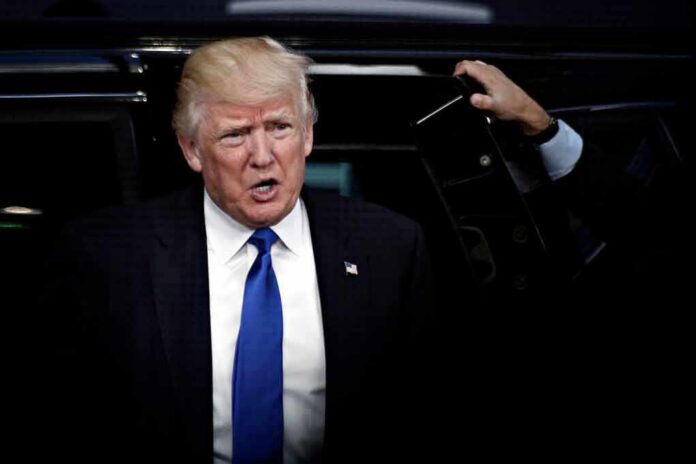
Trump said in a social media post that he is “likewise demanding compensation from Iran” and instructed his representatives to include that demand in future negotiations. Reuters reported that Trump framed the request as repayment for people killed in wars, attacks, and protests over a 50-year span. The statement adds another demand to already complicated negotiations over ending the conflict and reopening the Strait of Hormuz.
Trump’s post covered a wide range of events and victims. Trump cited roadside bomb attacks, “many conflicts,” the USS Cole attack and what he described as killings of protesters by Iran’s government. He also linked the demand to families of the dead and said the claim should be fixed into any future deal. The demand is broad and political in nature, covering events that span decades rather than a single incident or legal proceeding.
Iran’s Own Demands Set Up a Reciprocal Fight
Iran has also demanded compensation for damage caused during the current conflict, creating competing financial claims in the negotiations. Reuters and National Public Radio reported that Tehran tied any progress on reopening the Strait of Hormuz to war damages, sanctions relief, and an end to military threats. Trump’s response effectively places competing compensation demands on the negotiating table. It is now part of a bargaining clash where both sides are using compensation as leverage.
That reciprocal setup also explains why the issue is getting more attention now. The Strait of Hormuz is a major shipping route, and both trade and energy markets are exposed when tensions rise there. Iran’s demands, Trump’s response, and the wider security standoff all point to a simple fact: compensation has therefore become another bargaining issue in the diplomacy surrounding the conflict. Neither side is discussing only military or security conditions; both are also seeking financial concessions from the other.
What Trump Is Actually Demanding
Trump’s statement establishes a negotiating demand, not a court judgment or finalized compensation agreement. His proposal covers deaths and injuries that he attributes to Iran over several decades, while Iran’s separate demand concerns damage from the current conflict. Any eventual compensation arrangement would therefore have to address competing claims about responsibility, damages and the terms of a broader settlement.
1/8
🚨 IRAN WAR UPDATE — US-IRAN STANDOFF OVER STRAIT OF HORMUZ DEEPENS 🇺🇸🇮🇷
President Trump says the Strait of Hormuz is open and is now demanding compensation from Iran, after Tehran itself demanded compensation from Washington as part of conditions surrounding the waterway.…
— Emmanuel – Big Tech & AI Investor (@EmmanuelInvest) August 11, 2026
The competing compensation demands could complicate negotiations that are already focused on reopening the Strait of Hormuz and securing broader terms for ending the conflict. Trump has instructed his representatives to carry the U.S. demand into future talks, while Tehran continues to seek compensation and other concessions from Washington.