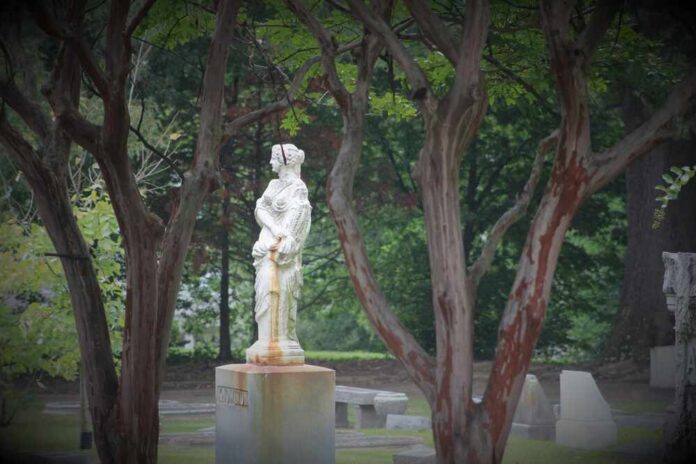
The Archdiocese of Chicago has quietly stepped into a theological minefield by building a first-of-its-kind suicide memorial that many critics now claim hints all who die by suicide are safely “with God.”
Story Snapshot
- The Archdiocese of Chicago opened the first Catholic cemetery memorial in the U.S. focused on lives lost to suicide and their families.
- Speakers at the dedication said those who died by suicide are “no longer rejected” and are “with God,” sparking claims of a doctrinal shift.
- The Catholic Church still teaches that suicide is gravely wrong, yet it “never despairs” of a person’s salvation.
- The clash shows how religious institutions, like government, struggle to address deep pain while people fear elites are quietly changing long-held beliefs.
Chicago’s New Suicide Memorial and What It Signals
At Queen of Heaven Cemetery outside Chicago, the Archdiocese has dedicated a new “At Peace” memorial for people who died by suicide and their grieving families. Church officials say it is the first memorial of its kind created by a Catholic archdiocese in a cemetery anywhere in the United States, marking a clear shift toward public, visible support for survivors of suicide loss. The memorial offers a “sacred space” for prayer and remembrance and is meant to reduce shame and silence around these deaths.
The shrine includes two major sculptures that send a strong emotional message. One is a six-foot bronze angel whose wings wrap around a stone bench, inviting mourners to sit as if held in an angel’s embrace. The other is a towering structure with nine doves rising toward the sky, which the archdiocese describes as a symbol of “hope and transcendence” beyond pain and suffering. Leaders placed the memorial in a prominent spot, not hidden away, to show families they and their loved ones deserve to be seen.
What Was Actually Said: “They’re No Longer Rejected…They’re With God”
At the dedication service, speakers tied these symbols directly to spiritual claims about people who die by suicide. In the CatholicChicago video, one key voice says the monument is meant to tell survivors they are “welcome,” “loved by God,” and “to be included like everyone else,” no matter how their loved one died. Later in the same video, a speaker adds that those who “have completed suicide” are “no longer rejected” and “they’re with God,” calling that “the important message that we have today.”
That line, in particular, has stirred controversy online and in Catholic media. Critics argue it sounds less like comfort for grieving families and more like a blanket claim that every person who kills themselves is saved. Social posts and traditionalist outlets frame this as yet another example of religious “elites” quietly watering down hard teachings while everyday believers are left confused or misled. Many ordinary Catholics already worry that institutions are more focused on public image than clear truth, similar to how voters feel about Washington politics today.
What Catholic Teaching on Suicide Actually Says
The official teaching of the Catholic Church on suicide is more guarded than the Chicago memorial’s tone suggests. The Catechism of the Catholic Church states that suicide is “gravely contrary to the just love of self” and “contrary to love for the living God,” making it a very serious moral wrong. Traditional sources even described suicide as a “most atrocious crime” and long denied Christian burial, underscoring how seriously the Church once treated this act.
At the same time, Catholic teaching insists the Church “never despairs” of the salvation of someone who has taken their own life. The Catechism explains that God alone can offer a chance for repentance in ways known only to Him, and that mental illness or deep suffering can reduce a person’s responsibility for their actions. Pastoral leaders therefore reject simple claims that all suicide victims go to hell, but they also stop short of saying they are certainly saved. The key point is that their eternal fate is in God’s hands, not ours.
Is Chicago Changing Doctrine—or Changing Tone?
So far, there is no formal doctrinal statement from the Archdiocese of Chicago saying “all people who kill themselves are saved.” The official news release talks about honoring lives lost, serving families, and providing a sacred space, but it does not make sweeping claims about salvation. The strong language in the video—“they’re with God” and “no longer rejected”—comes from pastoral speakers at the event, not from a signed teaching document.
NOT EXCOMMUNICATED
Cardinal Cupich's Archdiocese of Chicago suggests all people who kill themselves are saved – LifeSite https://t.co/wB1acCc6Pq
— AdVoluntasTua ❤️🔥🇻🇦 🇺🇸 🇵🇹 🚜 (@AdVoluntasTua) July 8, 2026
This gap between formal teaching and emotional messaging is where many Americans see a familiar pattern. On one side, suffering families want clear signs that their loved ones were not cast out by the Church, after decades when suicides were sometimes buried quietly or even refused rites. On the other side, many believers fear that institutions—whether churches or government agencies—change long-held standards through symbolic moves and soft words without honest debate or accountability. Both groups feel they are not being fully heard.
Why This Fight Matters Beyond Church Walls
For conservatives tired of “woke” trends and for liberals angry at distant elites, this dispute taps into a shared worry: powerful institutions may be rewriting deep moral rules from the top down. Here, a memorial meant to comfort grieving families is read by some as a stealth change to centuries of teaching on life, death, and personal responsibility. That mirrors how many people see policy shifts in Washington—more about optics and less about clear answers on justice, mercy, and truth.
At the same time, the memorial reflects a real crisis that touches families across political lines. Rising suicide and mental health struggles have left parents, children, and communities desperate for compassion and support. Chicago’s “At Peace” shrine tries to name that pain and offer hope. The core tension is whether institutions can show mercy and inclusion without leaving ordinary people feeling that bedrock principles are being traded away in the shadows—a tension that defines not only this local church battle, but much of American life today.
Sources:
lifesitenews.com, archchicago.org, facebook.com, instagram.com, x.com, pmc.ncbi.nlm.nih.gov, catholic.com, dioceseofscranton.org