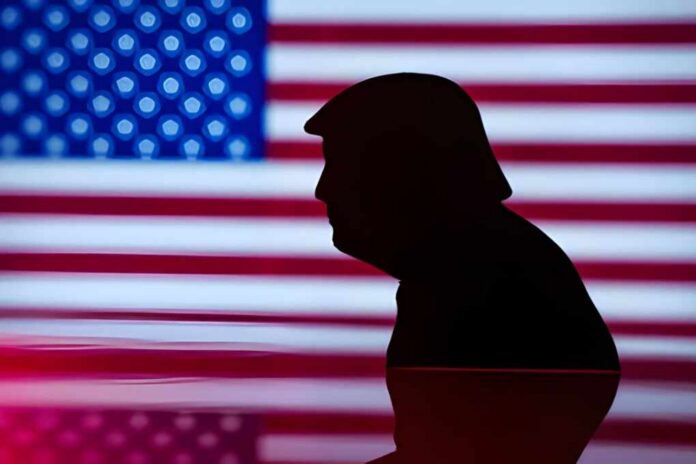
Two years after the Butler rally shooting, President Trump is calling it a preventable government failure saved only by one sniper’s split‑second shot.
Story Snapshot
- President Trump says “mistakes were made” in Butler but credits a Secret Service sniper with stopping the assassin.
- Multiple official reports now say the assassination attempt was preventable and stemmed from deep Secret Service failures.
- Six Secret Service agents were suspended, yet no one was fired, fueling anger over weak accountability.
- Both parties admit the system failed, raising new doubts about whether Washington can protect its leaders or its people.
Trump looks back on Butler: failure and heroism
President Donald Trump is marking the second anniversary of the July 13, 2024 assassination attempt at his rally in Butler, Pennsylvania, by openly saying the attack “shouldn’t have happened” while praising the agent who shot the gunman. In a Fox News preview, Trump said “mistakes were made” in the security plan but highlighted the fast action of a Secret Service countersniper who killed shooter Matthew Crooks after eight shots were fired into the crowd.
The Butler rally turned deadly when Crooks climbed onto a nearby rooftop with a rifle and opened fire, grazing Trump’s ear, killing attendee Corey Comperatore, and injuring others. Investigations later found the shooter had used a drone and range finder earlier that day to study gaps in the security plan and identify weaknesses in how the area was guarded. Those steps helped him spot the unprotected roof he eventually used to attack the rally.
Official reports: a “preventable” breakdown in protection
A bipartisan Senate Homeland Security Committee report concluded the Butler attack was “preventable” and resulted from a “disturbing pattern” of denials, mismanagement, and missed warning signs inside the United States Secret Service. The report found the agency denied or left unfilled at least ten requests from Trump’s security detail for added staff, counter snipers, and better counter‑drone tools during the 2024 campaign. Senators said this pattern left Trump exposed despite clear signs that threats against him were growing.
House and Senate investigations both faulted poor planning, weak communication, and confusion over who was in charge in Butler. A House task force report said local law enforcement and the Secret Service ran separate command posts, creating “fragmented communications” the day of the rally. That split structure slowed decisions, made it harder to share warnings in real time, and helped allow Crooks to reach the rooftop without being stopped.
Secret Service admits “operational failure” but limits punishment
The United States Secret Service itself now calls Butler an “operational failure” and says the agency is “fully accountable” for what happened. In response, it suspended six agents without pay for failures tied to the attack, including breakdowns in advance preparation, rooftop security, and coordination with local police. An outside review ordered by the Department of Homeland Security found the agency had grown “bureaucratic, complacent, and static” even as risks and technology changed.
Despite those harsh findings, the Senate report notes that the Secret Service did not fire a single person involved in planning or carrying out the Butler rally security plan. Some of the six suspended agents later received reduced punishments compared with what investigators first recommended. For many Americans, left and right, this looks like another case where the system protects its own insiders even when ordinary people pay the price.
Heroic actions amid a “cascade of failures”
Security experts say the assassination attempt exposed “a cascade of preventable failures” in the Secret Service’s planning and response that day. Yet they also point to individual heroism that kept the tragedy from becoming far worse. A countersniper with a clear angle on the rooftop shot and killed Crooks after the first volley, ending the attack before Trump or more rally‑goers were struck again. Trump now highlights that sniper’s actions as proof that some agents still perform with courage under fire.
President Donald Trump says surviving the July 2024 assassination attempt in Butler, Pennsylvania, strengthened his faith and convinced him that God was watching over him.
“God was watching me,” Trump said at the National Prayer Breakfast, reflecting on the moment he narrowly… pic.twitter.com/yjkZeWIJED
— Tevin Macharia Mukabana (@TevinMacharia) July 13, 2026
In the wake of Butler, the agency has started rolling out military‑grade drones and mobile command centers to fix gaps in communication and give teams better eyes on potential threats. But Congress’s reports warn that technology alone cannot fix deeper cultural problems like complacency, slow decision making, and poor sharing of threat intelligence across units. Those are the same kinds of issues Americans see across many parts of the federal government, from border security to economic policy.
What Butler tells Americans about the system
For conservatives angry about elite complacency and liberals worried about unequal safety, Butler offers a sobering picture: Washington had the tools to stop a known threat to a former and future president, yet bureaucracy and mismanagement got in the way. Senators from both parties now agree the attack was preventable and demand tougher discipline and real reforms at the Secret Service. Still, two years later, many changes remain on paper while the same leaders stay in charge.
This gap between strong words and weak consequences fuels the growing belief that federal agencies are more focused on protecting careers than protecting citizens. The Butler reports show requests for more protection were denied, warnings were missed, and clear failures were met with light punishment. Trump’s own comments that “mistakes were made” match what those investigations found, but they also highlight a deeper worry shared across America: if the system cannot reliably guard its top officials, can it be trusted to guard everyone else?
Sources:
facebook.com, taskforce-kelly.house.gov, politico.com, npr.org, bbc.com, youtube.com, foxnews.com, cbsnews.com, judiciary.senate.gov