As Super Typhoon Bavi pounds Japan’s Ishigaki Island with violent wind and flooding rain, people far from Asia are getting a real-time lesson in how powerful storms and shaky information flows can both put regular families at risk.
Story Snapshot
- Super Typhoon Bavi is slamming Ishigaki with torrential rain, dangerous winds, and coastal flooding.
- Japan’s meteorological agency and local media warn of extreme waves and landslide risk across the Sakishima Islands.
- Forecasts show Bavi passing near Ishigaki before heading toward Taiwan and China, as live streams capture the chaos.
- Online storm coverage and social media posts highlight both helpful updates and the growing problem of disaster misinformation.
Typhoon Bavi’s direct hit on Ishigaki Island
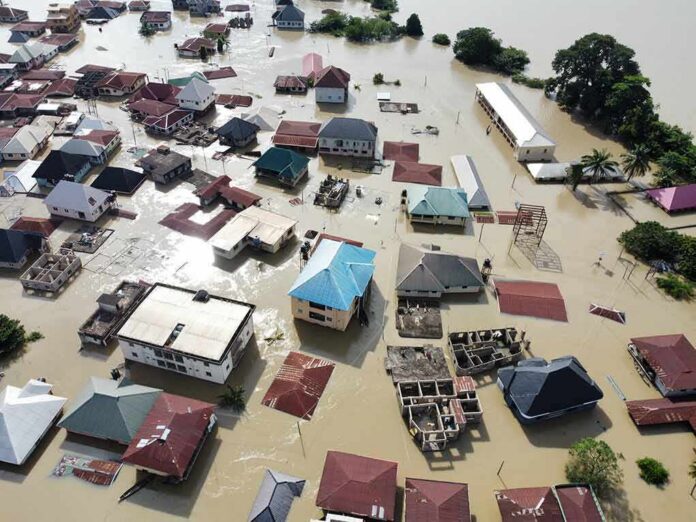
Typhoon Bavi has moved into Japan’s far southwest, hammering Ishigaki Island with heavy rain and strong winds as it passes nearby. Japan-based forecasters classify Bavi as a large and very strong storm, with the center tracking west-northwest between the Miyako and Ishigaki island groups. Local reports say violent winds and extreme seas are battering the wider Okinawa region, including the Sakishima chain where Ishigaki sits. Live video from the island shows sheets of rain, swaying trees, and rough surf pushing into low-lying areas.
Japan’s weather agencies project thunderstorms and very heavy rainfall across the Sakishima Islands through the storm’s passage. Forecasts call for up to 250 millimeters of rain over Okinawa in 24 hours, with more to follow, raising the risk of flash floods and landslides in steep terrain. Wind gusts over 100 kilometers per hour have already been reported on Ishigaki, and conditions are expected to worsen as the core of the storm moves closest. Coastal communities face storm surge and wave action that can inundate roads, homes, and ports.
How authorities and residents are responding on the ground
Local governments on Japan’s southwestern islands placed the region on high alert as Bavi approached, warning residents about violent winds, flooding rain, and possible landslides. Before the worst weather hit, people on Ishigaki taped windows, boarded storefronts, and cleared loose items to prevent damage from flying debris. Emergency officials urged residents to avoid nonessential travel, stay indoors, and monitor official bulletins for evacuation notices in flood-prone or landslide-prone zones. Airlines and ferries canceled many routes, cutting off island communities but reducing the risk of travelers trapped in dangerous conditions.
As the storm’s outer bands rolled in, live updates from the northern tip of Ishigaki showed storm chasers and journalists documenting rising winds and building seas. Some teams deployed special vehicles to measure storm surge and wind while staying relatively safe, giving viewers everywhere a close look at the typhoon’s power. At the same time, local media stressed that residents should not copy these chasers, but instead follow official guidance and shelter in sturdy buildings away from the coast. Early images suggest damage is focused on flooded streets, downed trees, and battered shoreline structures, though full assessments will take time.
Forecast track, regional risk, and the information problem
Forecast models show Typhoon Bavi passing between Miyako and Ishigaki before speeding toward the Zhejiang-Fujian coast of mainland China. The storm is expected to stay strong as it brushes Taiwan and then aims for a landfall near the Chinese city of Wenzhou, home to millions of people and major industry. This path means Okinawa, Taiwan, and parts of eastern China all face severe weather, including destructive winds, flooding rain, and coastal surge. For island communities like Ishigaki, even a near miss with the eye still brings serious impacts because of the storm’s size and strong outer bands.
At the same time, this storm highlights a growing global problem: confusing and sometimes false information during extreme weather. Studies of past cyclones and hurricanes show that early coverage often exaggerates or misstates damage, wind speeds, or death tolls, especially in the first few days after impact. Researchers also find that social media can spread misleading emergency instructions or fake images, which can cause panic or delay real help. In some recent disasters, foreign governments and conspiracy communities have pushed storm misinformation online, making it harder for the public to know what is true.
Why this matters beyond Japan’s shores
For American readers, Typhoon Bavi is not just a distant weather story; it mirrors frustrations at home with slow, confusing, and sometimes politicized disaster response. In the United States, lawmakers and experts have warned that misinformation around recent hurricanes has fueled conspiracy theories and even threats against officials trying to manage emergencies. Many citizens on both the left and the right already feel the federal government is more focused on protecting its own power than on protecting families in harm’s way. Storm confusion only deepens that distrust.
Typhoon Bavi pummelled Japan’s southern island of Ishigaki on Saturday morning, July 11, bringing heavy rain and violent winds.
According to Japanese meteorological authorities, the typhoon continued to pass through Ishigaki and neighbouring Miyakojima as of 9:30 local time… pic.twitter.com/sOUWoy7i6x
— GMA News (@gmanews) July 11, 2026
Watching Bavi tear through Ishigaki in real time shows how much regular people now rely on screens and social feeds when danger hits. That instant access can help families prepare, but it also opens the door for misleading claims that downplay risks or turn tragedy into online drama. For coastal Americans who worry about hurricanes, floods, and rising insurance costs, the lesson from Ishigaki is clear: strong storms will keep coming, and honest, timely information may matter just as much as wind speed when it comes to staying safe and holding leaders accountable.
Sources:
youtube.com, dailymotion.com, facebook.com, sea.weathernews.com, instagram.com, journals.ametsoc.org, poynter.org, pmc.ncbi.nlm.nih.gov, brookings.edu, journalistsresource.org, ross.house.gov, noaa.gov, reutersinstitute.politics.ox.ac.uk