President Trump’s last-minute decision to ground his own negotiators sends a blunt message to Tehran: stop using intermediaries and start taking U.S. demands seriously.
Quick Take
- Trump canceled a planned trip by senior envoys Steve Witkoff and Jared Kushner to Pakistan for indirect Iran talks, reportedly just before departure.
- The president argued an 18-hour flight was not worth “sitting around talking about nothing,” insisting Iran can contact the U.S. directly.
- Pakistan’s mediator role is now in a tougher spot, as the U.S. signals reduced patience with drawn-out backchannel diplomacy.
- The decision lands amid heightened Strait of Hormuz tensions, alongside new deployments and sanctions activity described in related coverage.
Trump Halts Pakistan Trip and Demands Direct Contact
President Donald Trump canceled a planned diplomatic mission that would have sent senior envoys Steve Witkoff and Jared Kushner to Pakistan for indirect discussions with Iran. Reports describe the decision as coming at the last minute, with Trump personally directing the team to stand down shortly before departure. In remarks aired by Fox News, Trump framed the trip as unnecessary, saying the United States has leverage and Iran’s leaders “can call us anytime.”
Trump’s rationale centered on time, leverage, and the value of diplomacy that produces measurable results. By rejecting lengthy travel for talks he portrayed as unproductive, the White House signaled a preference for direct communication rather than extended shuttle-style negotiations. That posture matches a broader “America First” instinct many voters recognize: avoid open-ended processes, demand clear outcomes, and make counterparties choose between real concessions or continued pressure.
Pakistan’s Mediator Role Faces New Uncertainty
Pakistan has served as a key venue for indirect U.S.-Iran engagement, a role that becomes more complicated when Washington pulls back from scheduled discussions. In the current round of maneuvering, Iran has publicly rejected direct talks with the United States and has preferred intermediaries. Iran’s foreign minister has also met with Pakistani leaders in Islamabad, underscoring Pakistan’s importance to the channel that was supposed to host the U.S. envoys.
This creates a practical problem for negotiators on every side: Trump is publicly pushing for direct outreach while Iran is publicly resisting it. The cancellation does not by itself end diplomacy, but it tightens the bottleneck. If Iran insists on indirect formats while the U.S. insists that Tehran can simply call Washington, the result can be stalemate—especially when neither side wants to appear weak at home.
Pressure Strategy Expands Beyond Diplomacy
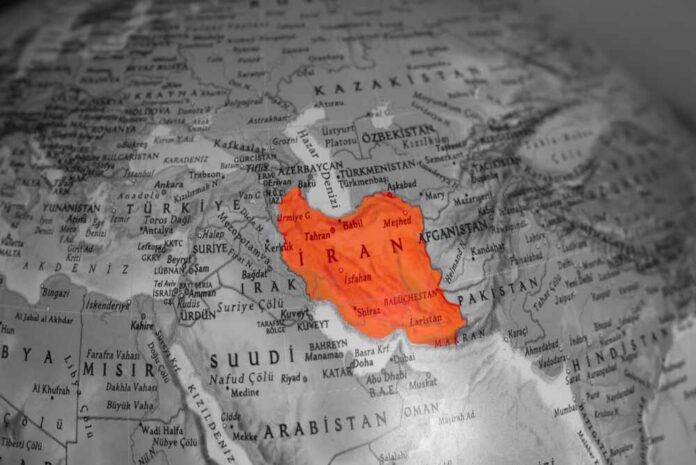
The cancellation comes as the broader regional picture remains tense, particularly around the Strait of Hormuz, a critical artery for global energy flows. Related coverage cited new U.S. military deployments and sanctions activity targeting nearly 40 entities linked to Iran’s oil network in China. A retired Navy captain described this posture as a dual track—military pressure paired with economic measures—suggesting the administration is keeping multiple tools ready while testing whether Tehran will bend.
White House messaging also reflects a calibrated warning: diplomacy is described as the preferred option, but military options remain on the table if the president deems them necessary. For conservatives wary of endless negotiations that do not change hostile behavior, that sequencing—talk if possible, apply pressure if needed—will sound familiar. For critics, especially on the left, the concern is that public brinkmanship can narrow off-ramps. The available reporting supports both interpretations as political reactions, not as settled outcomes.
Mixed Messaging Claims Highlight a Trust Gap
Some reporting describes frustration among certain White House officials about inconsistent messaging on Iran strategy, including claims that Trump’s approach can look erratic. The underlying fact pattern, however, is straightforward: Trump personally canceled the trip and publicly explained why. Whether that is “mixed messaging” depends on what staff expected versus what the president chose. Without additional documentation of internal deliberations, the strength of those claims remains limited to what sources have publicly reported.
In Washington, the bigger takeaway may be less about one canceled flight and more about public confidence in institutions. Many Americans—right and left—already suspect foreign policy is too often run as an elite game of process without accountability. Trump’s decision, in that light, is a bet that blunt leverage and fewer intermediaries can force clarity. Whether it lowers risk or raises it will depend on what Iran does next and whether backchannels can be rebuilt without rewarding delay.
Sources:
Fox News video: Trump discusses canceling envoys’ Pakistan trip for Iran talks
Trump cancels all meetings with Iran, calls on protesters to “take over” country