A fragile but hard‑won Trump peace framework with Iran is taking shape even as hostile media and Tehran’s hard‑liners work overtime to cast doubt on it.
Story Snapshot
- President Donald Trump says a framework to end the Iran war and reopen the Strait of Hormuz is “largely negotiated.” [1]
- Reports describe a one‑page memorandum requiring Iran to halt nuclear enrichment in exchange for sanctions relief and transit guarantees. [4]
- Iranian officials publicly stress that no final deal exists yet and highlight unresolved disputes over sanctions and nuclear terms. [1]
- Anonymous leaks, media spin, and negotiation secrecy are shaping public perception more than published documents. [1][4][6]
Trump Signals Near‑Final Framework To End Iran War
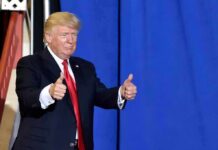
President Donald Trump has told Americans that a framework for peace with Iran and the reopening of the Strait of Hormuz has been “largely negotiated,” after reading what he called a draft agreement aimed at ending the war in the Middle East. [1] Trump said the United States and Iran are “getting a lot closer” to a deal and that “every day it gets better and better,” while stressing he would only sign an agreement where the United States gets “everything we want.” [1]
Senior reporting describes the framework as a one‑page memorandum of understanding that would halt active hostilities while forcing Iran to curb its nuclear ambitions. Axios says the White House believes it is “getting close to an agreement with Iran on a one‑page memorandum of understanding to end the war and set a framework for further talks,” citing two United States officials and two additional sources familiar with the matter. [4] This memorandum would sit on top of more detailed negotiations that follow.
What The Draft Deal Reportedly Includes — And What It Does Not
According to Axios, the proposed memorandum would require Iran to stop nuclear enrichment, while the United States would lift some sanctions and release frozen Iranian assets, coupled with easing restrictions on transit through the Strait of Hormuz. [4] Both sides would gain a thirty‑day window to hammer out a longer, more detailed accord. [4] ABC News reporting adds that Trump refuses to provide specifics until Iran is briefed, suggesting sensitive provisions still being balanced. [1]
Reports from CBS indicate that Washington has already transmitted a one‑page peace proposal and is waiting for Iran’s formal response, underscoring that the process remains fluid. [2][5] At the same time, Bloomberg coverage notes that Iranian officials have only said the latest United States offer “partly bridges the gap,” leaving key issues unresolved, including highly enriched uranium leaving the country and tolling on the Strait of Hormuz that Washington considers unacceptable. [2] These provisions touch core United States interests: non‑nuclear Iran and free global shipping without new Iranian taxes.
Iran’s Public Denials And Media Spin Cloud The Picture
Tehran’s public line has been to downplay the idea of a near‑final peace and re‑assert control over the Strait of Hormuz. Iranian spokesmen speaking to state outlets insist that what exists are proposals and draft frameworks, not a concluded agreement, and they emphasize that sanctions relief and unfreezing assets remain unresolved. [1] Iranian foreign ministry spokesman Esmaeil Baqaei has spoken of “a trend toward rapprochement” while warning it “does not necessarily mean” the sides will agree on the important issues. [2]
🇺🇸 UPDATE: Donald Trump said the framework of a peace deal with Iran has been “largely negotiated,” with discussions including reopening the Strait of Hormuz. pic.twitter.com/4AFto2LFAe
— Cointelegraph (@Cointelegraph) May 23, 2026
Western media, meanwhile, present competing narratives that can either inflate progress or predict collapse. ABC and Axios highlight Trump’s optimism and repeated references to drafts and “good talks,” but they also note explicit caveats that “no agreements have been finalized” and that Trump himself has called the odds “a solid fifty‑fifty.” [1][4][6] That mix allows partisan outlets to cherry‑pick either “largely negotiated” or “nothing is finalized” depending on whether they want to portray Trump as a reckless deal‑maker or a serious negotiator.
Trump’s Leverage Strategy: Strength First, Then Peace
Trump’s own words suggest a strategy of maximum leverage rather than naive trust in Tehran. Axios reports that the framework under discussion would force Iran to halt enrichment and accept restrictions on the Strait of Hormuz in exchange for phased sanctions relief and asset releases, with Washington holding the power to snap back pressure if Iran cheats. [4] In public, Trump has warned that if Iran stalls or walks away, “no country will ever be hit as hard as they’re about to be hit,” language designed to deter bad‑faith tactics. [2]
That posture stands in sharp contrast to the 2015 nuclear deal that the United States withdrew from in Trump’s first term, which front‑loaded benefits for Iran while leaving inspection headaches and sunset clauses for later. [6] In this round, Trump is making clear he will not repeat the mistakes of prior globalist diplomacy that enriched Tehran’s regime while it armed proxies and threatened American forces. Conservative readers will recognize the difference between a peace negotiated from strength and the old pattern of concessions first, enforcement maybe.
Why Verification And Transparency Still Matter For Conservatives
For all the encouraging headlines, the available record shows limits that patriots should watch closely. No text of the draft memorandum has been publicly released; what we know comes from anonymous officials and media summaries rather than signed documents or annexes. [4][6] Axios itself notes that “no agreements have been finalized,” and CBS says Iran’s formal reply is still pending, making “largely negotiated” a description of progress, not a binding treaty. [2][4]
Core issues also remain contested, including how quickly Iran must ship out enriched uranium, what inspections would look like, and how long sanctions relief would last. [2][4] Until those enforcement details are nailed down in writing and subjected to verification, conservative skepticism is warranted. At the same time, walking away from even a tough framework has costs: continued war, higher oil and gas prices, and more instability that globalists use to justify United Nations meddling and pressure on American energy producers. [2][6] The key is demanding a deal that protects American security and sovereignty, not rubber‑stamping another photo‑op accord.
Sources:
[1] Web – Trump says framework of Iran peace deal to be announced shortly
[2] YouTube – Trump rejects Iran’s response to US peace proposal
[4] Web – US, Iran closing in on one-page memo to end war, officials say – Axios
[5] YouTube – Iran reviewing US peace proposal, Trump says he’ll wait ‘a couple of …
[6] Web – Trump optimistic as U.S. awaits Iran’s response to peace framework