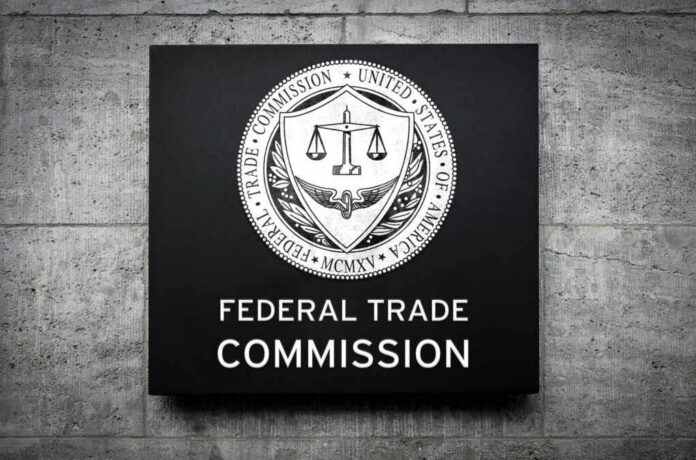
The FTC just moved to break up what regulators say was a quiet “brand safety” cartel that squeezed conservative-leaning outlets out of the digital ad economy.
Quick Take
- The FTC and a coalition of states announced proposed settlements with WPP, Publicis, and Dentsu over alleged coordinated “brand safety” standards dating back to 2018.
- Regulators say the coordinated standards acted like a uniform ad boycott tool—especially against outlets labeled “misinformation”—reducing competition among ad agencies.
- The proposed orders bar the agencies from coordinating brand-safety decisions through trade groups and include compliance monitoring.
- The case signals a broader shift: antitrust enforcement is now being used to police viewpoint-linked market exclusion, not just pricing and mergers.
What the FTC says the ad agencies coordinated—and why it matters
The Federal Trade Commission said major ad agencies agreed to proposed orders that would stop alleged collusion on “brand safety” rules used to decide which publishers can receive ad dollars. The FTC’s complaint centers on coordination beginning in 2018, when large agencies allegedly worked through industry groups to create uniform “floor” standards for what content was considered acceptable for monetization. Regulators argue that standardization reduced rivalry and distorted ad buying decisions.
That matters because ad agencies don’t just advise advertisers; they often control access to large pools of ad spend. When agencies adopt identical exclusion lists or uniform risk rules, publishers can be effectively cut off from revenue regardless of audience demand or performance. FTC Chair Andrew N. Ferguson described the alleged conduct as unlawful collusion that “distorted the marketplace of ideas” while undermining competition. The key dispute is not whether advertisers can choose where to place ads, but whether competitors coordinated those choices.
How “brand safety” became a de facto gatekeeping system
Brand safety tools grew after 2016 as advertisers sought to avoid placing ads next to controversial content. According to the FTC and related state materials, the system later evolved into coordinated industry standards tied to “misinformation” labeling, with trade associations serving as meeting points for competitors. In practice, a uniform standard can function like a centralized “no-fly list” for monetization. The research cited by regulators points to conservative publishers being disproportionately affected, though the public record does not quantify losses.
The FTC materials also describe how agencies allegedly relied on shared frameworks and outside rating or flagging systems to steer ad spending away from disfavored outlets. That allegation overlaps with a broader public debate about who gets to define “misinformation,” and whether the label is being used neutrally or politically. The settlements do not require the public to accept any single narrative about content moderation; they focus on the antitrust question of whether market competitors coordinated in ways the law forbids.
State involvement expands the fight beyond Washington
The enforcement push is not limited to federal regulators. Nebraska announced it joined the FTC and a coalition of states in the action, while Texas Attorney General Ken Paxton announced a multistate lawsuit and settlement filed in North Texas. That multi-jurisdiction approach increases pressure on the industry because it reduces the chances that a single settlement ends scrutiny. It also reflects how state attorneys general—Democratic and Republican alike in other contexts—have become central players in national economic regulation.
What the proposed orders reportedly require—and what remains unclear
The proposed orders would bar coordinated brand-safety behavior and include compliance monitoring to ensure the agencies do not recreate the same system under different labels. The broader implication is that agencies may have to compete again on customized tools, pricing, and performance instead of defaulting to a shared “floor.” Some reporting also indicates limits on restricting ad spending tied to political or DEI-related preferences under coordinated schemes, though specifics depend on final order language.
Several uncertainties remain. The research indicates other firms, including Havas and Horizon Media, have been under scrutiny, but their status is not presented with the same clarity as the settled agencies. The settlements also do not, by themselves, guarantee that affected publishers immediately regain revenue; advertisers can still make individual choices. What the action does attempt to restore is the competitive process—so that decisions come from independent judgment rather than industry-wide coordination.
For Americans already skeptical that “elite” institutions operate behind closed doors, this case lands in a familiar place: a powerful industry using centralized standards that can reshape public debate without a vote and without transparency. Conservatives are likely to see the enforcement as a check on soft censorship through financial pressure. Many liberals may still support brand safety goals but could also worry about concentrated private power. Either way, the government is signaling that coordinated viewpoint-based exclusion can raise antitrust alarms.
Sources:
FTC Takes Action to Restore Competition in the Digital Advertising Ecosystem
FTC Cracks Down on Ad Giants Over Alleged Brand Safety Collusion
FTC: Dentsu, Publicis, WPP Agree To Discontinue Brand Safety-Related Conduct
Texas, FTC Reach Settlement With Ad Giants Over Alleged Collusion Targeting Media Outlets
FTC: Dentsu, Publicis, WPP To Discontinue Brand Safety-Related Conduct
Major Advertising Agencies Settle Media Censorship Lawsuit With FTC
FTC Brand Safety Antitrust Settlements: Dentsu, Publicis, WPP