New York City identified a long-unknown 9/11 victim using forensic genealogy, reopening hope for hundreds of families.
Story Highlights
- City officials confirmed a 9/11 identification using forensic investigative genetic genealogy
- The method pairs advanced DNA testing with family tree research to find matches
- The woman is the first 9/11 victim identified with this technique; her family sought privacy
- Roughly 40 percent of World Trade Center victims remain unidentified, but new tools are helping
City Confirms First 9/11 Identification Using Forensic Genealogy
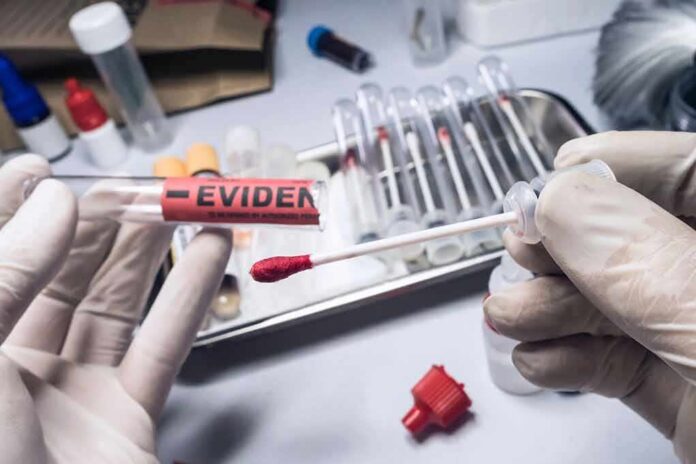
New York City leaders said they identified a previously unknown 9/11 victim by combining DNA analysis with genealogical research. The Office of the Chief Medical Examiner worked with the New York City Police Department to apply forensic investigative genetic genealogy, then confirmed the lead in the lab. Officials said the victim is an adult woman, and her family chose not to release her name publicly. The announcement marked the first time this method closed a 9/11 case, nearly 25 years after the attacks.
Officials described how the approach works: technicians build a DNA profile from tiny or damaged remains, investigators study potential family links through genealogy, and scientists confirm any match with standard forensic testing. This pairing can find relatives even when earlier tests failed. City leaders called the result a breakthrough because past identifications mostly relied on direct DNA matches to personal items or close family swabs, which do not exist in many cases.
Why This Method Matters After Two Decades of Testing
For years, degraded remains and missing reference samples slowed progress in World Trade Center identifications. The medical examiner’s office has re-tested thousands of fragments as technology improved, yet many profiles remained too weak for a direct hit. Forensic genealogy adds another path by searching for distant relatives to build a family tree, then testing that lead in the lab. That can turn a weak signal into a confirmed name when other routes stall.
Experts who study mass-fatality work say delayed identifications are common as science advances. After 9/11, DNA methods improved step by step as labs learned how to recover profiles from soot, heat, and time. Early efforts identified more than half of the victims, with DNA as the main driver. Later studies projected that continued testing of stored remains could yield dozens more first-time identifications as tools get better, which is what we are now seeing with genealogy in the mix.
The Scale of the Task and What Comes Next
City figures in recent years have noted that about 1,100 victims remain unidentified, roughly 40 percent of those who died at the World Trade Center. The medical examiner’s office runs one of the nation’s most advanced public DNA labs and continues to reanalyze remains when new methods show promise. Officials believe additional profiles and identifications are likely as newer tools, including genealogy, are applied to old evidence that once seemed impossible to read.
NYC identifies 1,654th World Trade Center victim nearly 25 years after 9/11 using a first-of-its-kind forensic genealogy technique.
The adult woman, whose name is being withheld at her family's request, was identified through a collaboration between the city's medical examiner… pic.twitter.com/LXo3DGQ8yH
— TMcCarty (@Jatrac04) August 26, 2026
Privacy and ethics remain core concerns, especially when using genealogical data. Peer-reviewed guidance urges agencies to use accredited experts, keep internet exposure to a minimum, and confirm all leads with traditional forensic testing before naming anyone. New York City officials said their office confirmed the genealogy lead through standard lab methods, and they honored the family’s request to keep the woman’s name private. That balance aims to deliver truth while protecting families’ rights.
Why This Resonates Across a Frustrated Public
Families across the country still carry the weight of 9/11, and many never got a formal identification. This case shows government can deliver a clear result when science, careful process, and transparency come first. People on the right and left often agree that agencies feel distant and slow. Here, a public lab worked with police, used a proven method, and produced closure for one family. That model—steady work, clear rules, measured claims—builds trust without hype.
Sources:
thegatewaypundit.com, 6abc.com, yahoo.com, nyc.gov, pubmed.ncbi.nlm.nih.gov