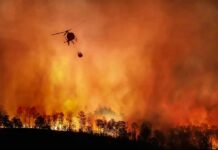
A reported explosion lit the Quaker Oats plant in Cedar Rapids into a towering fireball, yet no injuries were reported, officials said.
Story Snapshot
- Fire crews reported evidence of an explosion followed by a major fire at Quaker Oats.
- All workers were accounted for and officials reported no injuries.
- Dispatch logs put the first calls around 4:44–4:45 p.m. local time.
- The cause remains under investigation by local officials and the company.
What Happened At The Quaker Oats Plant
Cedar Rapids firefighters responded to the Quaker Oats complex in downtown Cedar Rapids around 4:44–4:45 p.m. after reports of a large industrial fire. The Cedar Rapids Fire Department reported finding what appeared to be evidence of an explosion and a subsequent fire at the facility. City statements and local outlets documented the location as the Quaker Oats building in the 400 block of 2nd Street Southeast. Crews fought heavy flames and smoke that were visible across the area.
Fire officials and city leaders said all plant workers were accounted for after the blast. Officials reported no injuries among workers or responders during the evening response. The city’s mayor stated in a video message that workers got out safely, echoing the fire department’s update about employee accountability. News outlets repeated the same findings based on official statements given on scene and shortly after the first calls. Those reports stressed the fortunate outcome despite the dramatic flames.
What Authorities Know About The Cause
Investigators and company representatives said they would review how the fire started and what triggered the apparent explosion. Early reports used cautious language because origin-and-cause work takes time. Fire department updates focused on what crews observed, while PepsiCo Foods, which owns Quaker Oats, pointed to a pending investigation. Officials did not release details about equipment, dust, or other hazards that might have played a role. No timeline for a final report was announced in the initial coverage.
The distinction between a fire and an explosion matters at large food and grain sites. Combustible dust can ignite inside equipment, move through ducts, and cause powerful blasts if conditions line up. Federal safety guidance and past incident records show how dust, heat, and airflow can turn a small spark into a chain reaction. A federal board identified 281 combustible-dust incidents from 1980 to 2005 that killed 119 people and injured 718 across many industries.
Why This Factory Fire Draws Extra Attention
The Cedar Rapids site is a major milling hub and a well-known brand employer, which raises public concern when something goes wrong. Families want to know workers are safe. Neighbors want to know if the air is clear. Consumers wonder if shelves will be affected. Officials said the cause was unknown, and there were no reported injuries, which eased immediate fears. But people will look for answers on safeguards, training, and maintenance as investigators dig in.
Explosion and fire erupt at Quaker Oats plant in Cedar Rapids, Iowa; no injuries https://t.co/kxWKprpC4v
— ABC11 EyewitnessNews (@ABC11_WTVD) October 25, 2026
Across the country, both conservatives and liberals worry that big institutions cut corners and leave communities at risk. Industrial safety is not a left or right issue. Clear rules, strong inspections, and honest reports help prevent disasters and protect jobs. Past federal guidance on grain and dust hazards gives companies specific steps to reduce risk, from cleaning dust to controlling ignition sources. Those measures, when followed, can stop small problems from becoming deadly events.
What Comes Next For Cedar Rapids
Fire investigators will examine equipment, review alarms, and check the area where the blast likely started. They will compare dispatch logs, radio traffic, and security video with what crews saw on arrival. Company managers will audit training, evacuation steps, and worker rosters. If the cause involves dust, ventilation, or mechanics, officials may recommend fixes and possible enforcement. The public should expect a formal report later, once tests and interviews are finished, not during the first news cycle.
Sources:
nypost.com, kcci.com, southgatv.com, kcrg.com, themirror.com, csb.gov