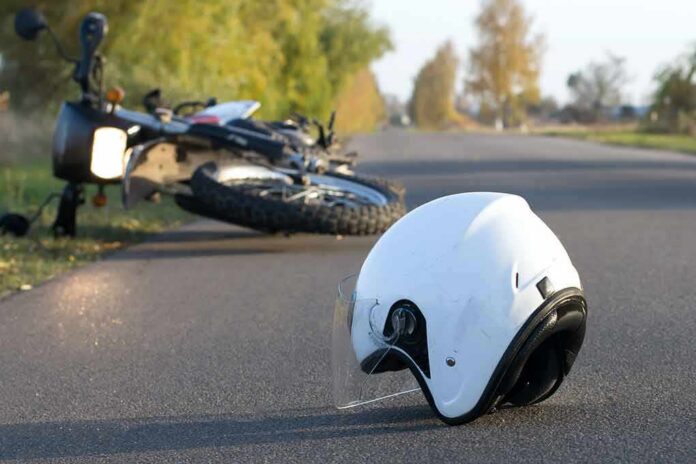
Prosecutors charged the parents of a 13-year-old who died riding an electric motorcycle, signaling a push to hold adults criminally responsible when high-speed e-motos meet kids and public roads.
Story Snapshot
- Orange County prosecutors charged both parents after their son died in a May e-moto crash.
- The father allegedly bought a high-powered E-Ride Pro SS 2.0 classified as a motor-driven cycle, not a legal low-speed e-bike.
- App data cited by prosecutors put speed at 43 miles per hour shortly before the crash.
- The case is part of a wider county crackdown on parents in e-moto incidents.
Charges Filed After Fatal Garden Grove Crash
Orange County prosecutors charged Vu Thanh Nguyen with felony child endangerment and a misdemeanor count of contributing to the delinquency of a minor after his 13-year-old son, Benson, died in a May crash in Garden Grove. Prosecutors charged Hong Cuc Thi Nguyen with misdemeanor child endangerment. Officials said the teen lost control, hit a raised center divider, was thrown from the bike, and struck a concrete light pole, suffering fatal injuries. Prosecutors announced the charges on October 20–21, 2026.
Prosecutors said the father purchased an E-Ride Pro SS 2.0 E-Moto that they classify as a motor-driven cycle or motorcycle under state law, not a legal low-speed electric bicycle. That category requires registration, insurance, and a license to ride on public roads. Authorities said the classification matters because the teen was not legally permitted or trained to ride that kind of vehicle on streets. Prosecutors said this purchase and permission created a foreseeable risk.
Speed, Maneuvers, and the Moments Before Impact
Officials said the teen was seen speeding, running red lights, and doing wheelies shortly before the crash. Prosecutors said location data from the family’s Life360 app showed the e-moto moving at 43 miles per hour in the minutes before impact. A witness told local television he found the boy “gasping for air” and loosened a helmet strap while waiting for help. Reporters described a violent sequence: loss of control at more than 40 miles per hour, curb strike, ejection, and pole impact.
Reporters noted that prosecutors have not publicly released the full complaint or affidavits, so the detailed timeline of parental knowledge is not available in open reports. News coverage, citing the district attorney, described the earlier riding behavior and the father’s alleged decision to buy a more powerful e-moto despite risk concerns, but did not publish corroborating records tied to those points. The defense has not issued a public response in the reporting reviewed.
Wider Crackdown on E-Moto Parenting
The case arrives during a broader Orange County enforcement push focused on underage riders on high-speed electric motorcycles, with several parents charged across multiple incidents this month. Prosecutors said they aim to deter adults from letting minors ride unregistered, high-powered machines on public roads. In related cases, authorities described illegal street riding, collisions with cars, and serious injuries. Officials framed the campaign as a response to rising youth harm involving fast electric two-wheelers.
Local coverage described a pattern: electric bikes and e-motos now reach speeds closer to small motorcycles, yet families often treat them like regular bicycles. That gap can hide real legal and safety duties. Studies and hospital reviews have flagged rising pediatric injuries linked to e-bikes and similar devices, with higher rates of head and face trauma among teens. While research trends do not decide this case, they explain why law enforcement is pressing the issue now.
Why the Classification Fight Matters
California law treats true low-speed e-bikes differently from faster, heavier electric motorcycles. Prosecutors said the E-Ride Pro SS 2.0 falls into the motor-driven cycle or motorcycle category, making it illegal for an unlicensed minor to ride on public streets. That status can change the legal risk for parents. If a device needs registration, plates, insurance, and a licensed rider, then letting a child ride it on roads can create legal exposure before a crash even happens.
For many families, this is the painful clash between freedom, fun, and safety rules. Parents across the political spectrum worry that streets are less safe, products are more powerful, and government often steps in only after tragedy. Prosecutors argue that adult decisions about faster machines have public costs when crashes happen. Critics of heavy-handed enforcement say the system often punishes after the fact while doing little to fix confusing laws, weak training, and broken local roads.
Sources:
nypost.com, yahoo.com, sfgate.com, latimes.com, cbsnews.com, nbclosangeles.com, abc7.com