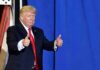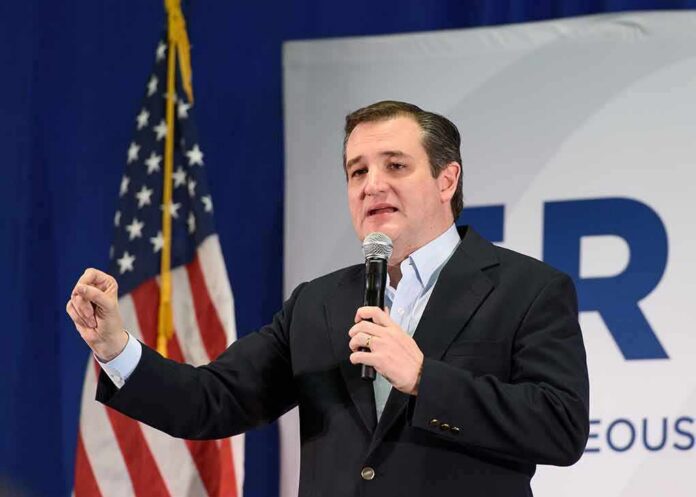
Senator Ted Cruz said a Muslim Democratic Senate candidate would share classified information with terrorists, pushing a national security fight into the heart of a key race.
Story Snapshot
- Ted Cruz alleged Abdul El-Sayed would leak classified intel to terrorists if elected.
- Coverage cites El-Sayed’s family and donor ties to groups linked in past court records.
- El-Sayed has publicly denied ties to the Muslim Brotherhood and pledged loyalty to the Constitution.
- Senate rules set strict guardrails on classified information access and handling.
Cruz’s Allegation And The Immediate Political Stakes
Senator Ted Cruz argued that Abdul El-Sayed, a Michigan Democratic Senate candidate, would share classified information with terrorists if he gained access through a possible intelligence post. Cruz made the charge as the race heated up and after El-Sayed denied any family or personal ties to the Muslim Brotherhood on national television. The claim places national security at the center of a campaign already marked by sharp debate over religion, alliances, and donor networks. It also tests how voters weigh association claims against formal rules and oaths.
Michigan’s race now doubles as a referendum on trust in federal institutions. Many voters, on both right and left, already feel Washington’s leaders protect their careers before they protect the country. Cruz’s warning taps that fear. Supporters say the charge demands due caution, given terrorism history. Critics say it blends family, donors, and politics into an unfair label. The core question is simple but heavy: who should see secrets, and what proof should the public demand first?
The Evidence Cited: Family Posts, Writings, And Donor Ties
Published reports highlight several items. A half-sister’s 2012 post reportedly said the family had activism links to the Muslim Brotherhood. Separate coverage points to El-Sayed’s 2011 writing on Egypt and a signature on a 2012 statement backing Mohamed Morsi, who had support from the Muslim Brotherhood. A Fox News review reported donations linked to the Council on American-Islamic Relations and noted unindicted co-conspirator references to groups in the Holy Land Foundation case. An allied release highlighted a relative and donor ties as well.
Reporters also noted a financial connection through El-Sayed’s father-in-law, who was described as a founding committee member of an Islamic Society group and a major donor to a super political action committee that supported El-Sayed. These items form the backbone of the charge that proximity and sympathy become risk. The record, as cited in these reports, shows associations, not a documented instruction, payment, or act by El-Sayed to aid a terrorist group. El-Sayed, for his part, has rejected the claims as false.
El-Sayed’s Denials And Public Statements
El-Sayed has repeatedly denied that he, or his family, has any ties to the Muslim Brotherhood. He did so in a broadcast interview and on the campaign trail. When asked at a town hall to disavow the Muslim Brotherhood, he said “absolutely,” and he said he would swear an oath to the Constitution and defend freedom of religion for all Americans. The denials aim to separate his record from relatives’ posts and donors, and to assert that faith or background is not proof of disloyalty.
The campaign’s stance frames the issue around individual conduct and sworn duty. It argues that commentaries on Egypt’s politics from a decade ago, support for democratic movements, or donor activity do not equal support for terrorism. The campaign also stresses that many claims come through partisan channels and opinion pieces, not court findings. Voters must therefore decide how much weight to give to indirect ties versus a candidate’s statements and promised oath.
How Congress Controls Classified Information
Senate rules and federal practice place tight controls on classified information. The Senate Select Committee on Intelligence limits staff access to those with proper clearances and a verified need to know. The committee’s rules spell out who may see, store, and discuss sensitive material and under what conditions. Broader congressional guidance explains how the Senate Security Office binds employees to standards that safeguard material that could harm national security if exposed. These controls exist to prevent leaks regardless of party or ideology.
Members of the Senate can receive classified briefings by virtue of office, but committees and security staff still enforce procedures, secure facilities, and handling rules. The system assumes risk is managed by rules, training, and penalties for mishandling. That framework means the argument over El-Sayed is not just about past associations. It is also about trust in the guardrails that protect secrets in Congress and whether voters believe those guardrails are enough when the stakes are high.
Why This Fight Resonates Beyond One Race
This dispute fits a pattern in American campaigns. Candidates are painted as security risks based on relatives, donors, or old writings, while supporters cite loyalty and law to defend them. The overlap of religion, foreign events, and terrorism cases makes the debate even more charged. Many citizens across left and right now doubt that elites in Washington put the country first. Allegations like these draw power from that doubt, and from fear that the system will look away until it is too late.
🚨 TED CRUZ: “EVERY REASON TO BELIEVE” EL-SAYED WOULD SHARE CLASSIFIED INTEL WITH MUSLIM BROTHERHOOD
Sen. Ted Cruz escalated his criticism of Michigan Democratic Senate nominee Abdul El-Sayed, saying he believes El-Sayed is Muslim Brotherhood and warning that a… pic.twitter.com/Niex98WQZ9
— Mossad Commentary (@MOSSADil) October 21, 2026
What happens next depends on documentation, due process, and the election. Cruz’s claim is clear and forceful. El-Sayed’s denials are direct and on the record. Senate security rules are strict and well known. Voters must weigh the cited associations against the lack of a proven act, and decide whether to grant the benefit of the doubt or to demand higher proof now. That is the line between caution and presumption in a tense political season.
El-Sayed’s past views on the Muslim Brotherhood raise serious concerns
Michigan Senate candidate calls the allegations Islamophobic while old family posts fuel new scrutiny
Voters should have serious concerns about Michigan’s Democratic Senate nominee, Abdul El-Sayed, and his… pic.twitter.com/kFE7HHssUM
— American Politic (@rosewdc) October 19, 2026
Sources:
mediaite.com, members.jpost.com, foxnews.com, ibtimes.com.au, x.com, worldisraelnews.com, newscord.org