President Trump signed an executive order renaming Lake Ontario as “Lake America,” directing federal agencies to make the change on government maps and records.
Story Highlights
- Trump’s order instructs Interior and the U.S. Board on Geographic Names to implement “Lake America.”
- Major outlets reported the signing on Aug. 27, 2026, confirming the action and timing.
- The move arrives amid trade tensions with Canada, adding diplomatic pressure.
- U.S. naming systems and federal maps must update references within set timelines.
What The Executive Order Does
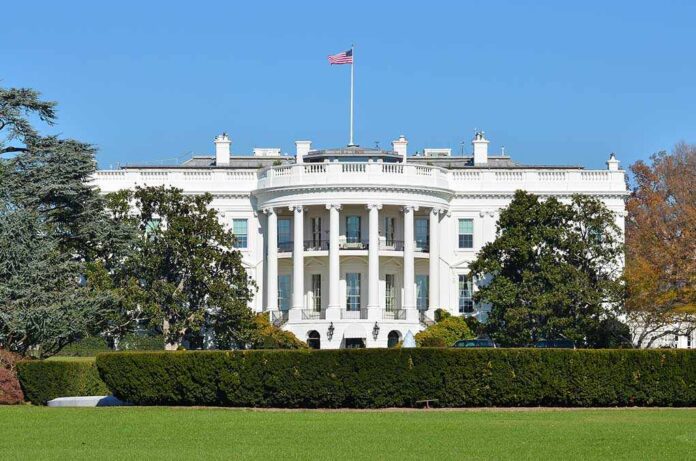
The White House posted the executive order stating the lake will be renamed “Lake America.” The order directs the Secretary of the Interior, in coordination with the United States Board on Geographic Names, to take all appropriate actions, including updates to the Geographic Names Information System and federal references. The directive sets a 30-day window to carry out the renaming across federal systems and communications, making the change operational in government records and maps.
Language in the order calls for removing “Lake Ontario” from federal databases and replacing it with “Lake America.” That scope covers maps, contracts, signage, and official communications controlled by federal agencies. The order centers on federal usage. It does not control how states, cities, private companies, or foreign governments label the lake. The United States Board on Geographic Names manages naming for federal products, so the instruction binds agencies that rely on that standard.
When And How It Happened
Multiple major outlets reported the signing on Thursday, August 27, 2026, confirming the event and its timing. Coverage placed the signing at the White House and linked it to the broader policy calendar that day. These reports align on the core facts: the order is real, it was signed that afternoon, and the White House presented the change as official. The synchronized reporting gives a clear timeline for when federal systems began the update process.
President Trump has emphasized national pride in naming policies before, setting a pattern of symbolic moves that signal strength and clarity in U.S. identity. The “Lake America” decision continues that theme by putting a clear American brand on a shared waterway. Supporters see a name that honors American history, veterans, and industry tied to the Great Lakes. They argue the United States should control how its own maps describe features that touch American shores.
Trade Tensions And Cross-Border Context
Reports linked the order to ongoing trade friction with Canada, suggesting a political message aimed at Ottawa and at domestic audiences. Tighter language around national identity and resources often appears when trade talks get tough. By renaming the lake on federal products, the administration applies soft power. It keeps pressure on a neighbor while asserting a firm U.S. stance without tariffs or new spending. The move also reassures voters who want officials to stand tall for America.
Canada cannot dictate how U.S. federal maps label features. Likewise, the United States cannot force Canada to adopt the same label. Each country controls its own naming standards. That means cross-border maps may differ. For travelers and shippers, that is not new; differences exist now on metric versus imperial measures and road signs. Federal agencies will handle any needed clarity in navigation charts and notices, as they do with other international features.
Implementation, Costs, And Practical Impacts
Federal updates roll out first in digital systems, then in print cycles. Digital map layers, websites, and contracts can change fast. Physical signs and printed charts change over time to save taxpayer money. Agencies can replace items as they would during normal refresh periods. That approach limits waste and keeps focus on mission needs, from navigation safety to environmental reporting. The order sets the destination; agencies choose the most efficient route to get there.
Windsor residents react to Trump's renaming of Lake Ontariohttps://t.co/gtcXv0Qs1B
via @prima_donnelly
— Chad Livengood (@ChadLivengood) August 28, 2026
For families, boaters, and small businesses, daily life will look the same. The water does not change. Fishing rules, border control, and boating safety still rely on existing laws and joint agreements. The label on a federal map will read “Lake America,” which signals pride at home and clarity in U.S. products abroad. Critics may scoff, but clear names help avoid confusion in procurement, defense logistics, and disaster response. Firm standards help emergency teams work faster when seconds count.
Bottom Line For Conservative Readers
The United States government now uses “Lake America” for the water long labeled Lake Ontario. The order is signed and active, with federal systems moving to implement it. The change sends a plain message: America names features on its side of the line, and federal products will reflect that. Supporters view it as a patriotic reset after years of globalist drift. It costs little, asserts sovereignty, and reminds allies that U.S. interests come first in policy and in practice.
Sources:
youtube.com, whitehouse.gov, abcnews.com