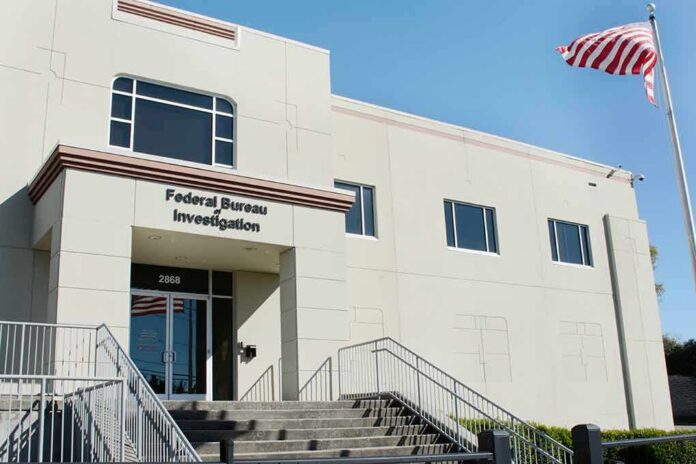
A federal judge stopped the FBI from shifting its headquarters into a Washington office complex and ordered the project back to Maryland as Congress directed.
Story Snapshot
- A judge ruled the administration could not divert funds from a Maryland site to a D.C. office building.
- Congress had limited site choices to three locations; Greenbelt, Maryland, was formally selected by the General Services Administration (GSA).
- The Federal Bureau of Investigation (FBI) and GSA announced plans in 2025 to use the Ronald Reagan Building instead.
- The decision highlights a deeper fight over who controls federal projects: Congress or the executive branch.
What the Court Decided and Why It Matters
U.S. District Judge Theodore Chuang ruled that the administration could not junk Congress’s plan for a new Federal Bureau of Investigation headquarters in Greenbelt, Maryland, or divert money to a different site in Washington, D.C. The court sided with Maryland and Prince George’s County, saying the move broke the spending limits set by Congress for the project. The order means federal agencies must follow the law as written, not just policy preferences, when handling large building projects.
The ruling limits executive power over high-cost construction choices once Congress narrows options. Congress’s 2022 direction told the General Services Administration to pick from three sites named years earlier. The General Services Administration later named Greenbelt as the “most advantageous” site. That locked the project’s location unless Congress changed the law or funding. The judge said agencies could not re-route money to a fourth site without Congress’s approval. This is a basic separation of powers test.
How We Got Here: A Years-Long Tug of War
The Federal Bureau of Investigation and General Services Administration announced plans to move the headquarters into the Ronald Reagan Building in downtown Washington. They argued it used an existing federal asset and could speed improvements for safety and cost. That step clashed with the earlier formal choice of Greenbelt. It also stirred new fights between Maryland, Virginia, and Washington, D.C., where leaders backed different sites for jobs, transit access, and security.
Congress had already boxed in the choices. Lawmakers directed the General Services Administration to select from three sites: Greenbelt and Landover in Maryland, and Springfield in Virginia. The General Services Administration later named Greenbelt as the best option after weighing cost, schedule, access, and mission needs. Once that decision stood, Maryland officials argued that moving money to the Ronald Reagan Building broke the rules Congress set. The judge agreed, blocking the Washington pivot.
Competing Claims: Cost, Speed, and Trust
The administration said moving into the Ronald Reagan Building could be faster and cheaper than building a new campus from scratch. Supporters pointed to long delays, rising costs, and the poor state of the J. Edgar Hoover Building. They argued that reusing an existing site would get agents into safer space sooner. They also said the executive branch has day-to-day control over where to house an agency’s workforce, within budget limits.
Maryland countered that Congress had already made the key calls. Lawmakers told the General Services Administration to choose among three locations and funded that path. The General Services Administration then picked Greenbelt through its formal process. Maryland said the administration tried to create a fourth option and reprogram funds without Congress. The court’s order backed that view, saying the spending and site limits control until Congress says otherwise.
Why This Fight Resonates Beyond One Building
This ruling taps into a broader public worry: powerful players can bend rules on big federal deals. Many Americans see both parties fight over turf while basic needs, like safety and cost control, get lost. Here, Congress set the bounds, the General Services Administration made a decision, and a later team tried to rip up the plan midstream. The court pulled the process back to the law’s lane, at least for now.
Maryland politicians spent more than a year fighting Trump’s attempt to pull the FBI headquarters out of Greenbelt.
Monday, they got the ruling they wanted.
Moore: “Maryland fought back—and Maryland won.”
Brown: Congress made a promise. Trump tried to break it.
Now comes the…
— MDBayNews (@MDBayNews) August 18, 2026
The next steps rest with Congress and the administration. Lawmakers could rewrite funding and site language, or keep pressing the Greenbelt build. The administration could appeal or work within the court’s order. Either way, delays mean more cost pressure. The Federal Bureau of Investigation still needs safe, modern space. The public will watch whether leaders fix the problem by the book, or let another high-stakes project drift while trust in government slips.
Sources:
gsa.gov, oag.maryland.gov, clearinghouse.net