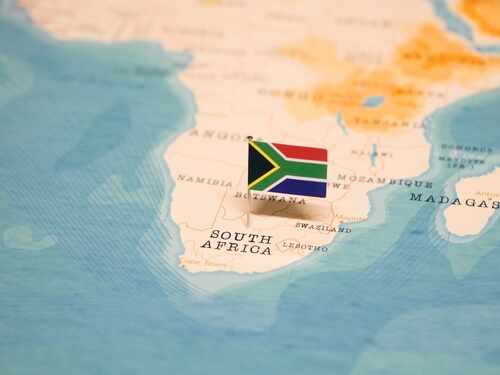
As anti-immigration marches fill South Africa’s streets and some migrants left the country or sought voluntary repatriation after threats and protests intensified.
Story Snapshot
- Anti-immigration groups set an unofficial June 30 “deadline” for undocumented migrants, triggering nationwide marches and a migrant exodus.
- Protesters blame migrants for crime, job losses, and pressure on services, while experts say data does not back those claims.
- The South African government rejects vigilante deadlines but is also cracking down on illegal immigration, revealing its own pressure.
- Growing anger at elites and state failure is driving ordinary people toward dangerous street justice instead of real reforms.
How the June 30 deadline turned into a national flashpoint
On June 30, thousands of protesters marched in cities across South Africa, many carrying traditional weapons and national flags, to mark a self-declared deadline for undocumented migrants to leave the country. Citizen groups like March and March and Operation Dudula had spent weeks warning foreigners to get out by that date. Their message was blunt: leave now, or face the risk of arrest, violence, or forced removal. For many migrants, those threats felt real, not political theater.
In the days before the deadline, the pressure was so intense that thousands of African migrants left or sought repatriation through their home governments. Countries such as Ghana, Malawi, Mozambique, Nigeria, and Zimbabwe organized buses and flights, helping about 3,500 people return even before the marches. South Africa’s Border Management Authority also reported more than 13,000 returns or deportations in just two weeks, showing how fear and policy mixed to push people out.
The protesters’ case: jobs, crime, and a state they say has failed
Protest leaders say they are not driven by hate but by survival in a broken system. March and March leader Jacinta Ngobese-Zuma told crowds that undocumented migrants had “replaced” South African workers and demanded “mass deportation” over the next six months. Activists blame foreigners for high unemployment, drug dealing, and long lines at hospitals and schools. Many South Africans, already angry over deep poverty and failing services, feel that elites ignore these concerns.
Groups behind the marches insist their fight is really with the government, not with individual migrants. They accuse officials of letting borders stay porous while ordinary citizens compete for scarce jobs and crowded clinics. South Africa’s unemployment rate is above 30 percent, and decades of corruption and mismanagement have left many communities without hope. In that climate, targeting undocumented migrants can feel, to some locals, like the only way to force leaders to act, even if it means crossing moral and legal lines.
Where facts clash with fear and rumor
Even as marches spread, key parts of the protesters’ story do not match official data. The June 30 “deadline” never had any legal force; it spread through social media posts and fake flyers that copied the look of government notices, falsely warning migrants to leave or face arrest and deportation. Authorities publicly rejected these flyers as fake and stressed that only the state can decide who is deported, not vigilante groups in the streets.
Experts also say claims about migrant numbers and their role in crime and unemployment are exaggerated. Statistics South Africa estimates about 2.4 to 3.1 million migrants live in the country, or roughly 5 percent of the population, far below the 15 to 30 million some activists claim. Researchers and social scientists say there is no solid evidence that immigrants are the main cause of job losses or crime, and that the real drivers are deep inequality, weak policing, and years of bad governance.
Violence on the edges and a state walking a tightrope
While organizers called for peaceful marches, the reality on the ground was messier. Reuters and other outlets reported incidents of looting, vandalism, and attacks on foreign-owned shops during and around the protests. At least three people, including migrants from Malawi and Mozambique, were killed in violence linked to recent anti-immigrant unrest. Police said they opened over 100 criminal cases against anti-foreigner vigilantes, even as they described most marches as largely peaceful.
The South African government is balancing condemnation of vigilante actions with increased immigration enforcement. Officials condemned xenophobic violence and dismissed the deadline as illegal, but they also highlighted stepped-up enforcement, reporting tens of thousands of arrests for immigration violations this year alone. President Cyril Ramaphosa warned against scapegoating migrants, yet he also said illegal immigration strains services and “distorts” the labor market, echoing some of the protesters’ concerns while rejecting their methods.
Why Americans should pay attention
The debate echoes immigration and border policy disputes seen in other countries, including the United States, where similar questions about enforcement, public services, and economic pressures remain politically divisive. A frustrated public, a weak and distrusted government, real economic pain, and elites who seem insulated from the fallout are a recipe for blame and division. In South Africa, that anger is aimed at undocumented African migrants. In America, it often focuses on migrants at the southern border. In both places, politicians talk tough while basic systems still fail.
South Africa’s crisis shows what happens when a government lets problems pile up for years, then tries to manage anger instead of fixing the root causes. Street movements step into the vacuum, facts get drowned out by fear, and innocent people end up in the crossfire. For citizens on the right and the left who already believe the “deep state” protects itself first, this is one more warning: when leaders dodge real reforms on borders, jobs, and law and order, they push people toward dangerous answers.
Sources:
youtube.com, bbc.com, aljazeera.com, instagram.com, facebook.com, en.wikipedia.org