A late‑night bus crash that killed a driver and a flight attendant on the Long Island Expressway is now raising hard questions about how America protects travelers—and how much truth the public will be allowed to see.
Story Snapshot
- A coach bus carrying Royal Jordanian Flight RJ8261 crew from JFK to a hotel flipped over the Long Island Expressway, killing the driver and a crew member and injuring many others.
- The bus hit multiple cars, crossed the concrete median, and overturned into oncoming lanes, shutting the highway in both directions for hours while investigators “froze” the scene.
- The National Transportation Safety Board (NTSB) and New York Police Department (NYPD) have launched a joint federal investigation, but officials say the cause is still unknown, and key facts remain undisclosed.
- Media outlets highlight traffic disruption and hint at the driver’s criminal past, yet provide little detail on possible mechanical failures—despite a long record of deadly bus crashes tied to worn tires and poor maintenance.
A deadly crash that turned a routine crew transfer into a disaster
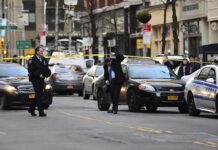
Late Monday night around 11:45 p.m., a westbound charter coach bus on the Long Island Expressway near the Greenpoint Avenue exit in Maspeth, Queens, smashed into two vehicles, hit the center divider, and then flipped over the concrete median into the eastbound lanes. After crossing into oncoming traffic, it struck two more cars, turning a standard airport‑to‑hotel trip into a mass‑casualty event on one of New York’s busiest roads.
Authorities say two people on the bus—the driver and one passenger—were killed at the scene. That passenger has been identified in social posts and airline statements as a member of the Royal Jordanian Airlines crew, a flight attendant from Flight RJ8261 that had just arrived at John F. Kennedy International Airport. Roughly 20 others were hurt, with several critically injured, and dozens of passengers were sent to city hospitals as a precaution.
Royal Jordanian confirms its crew was on board, but details stay sparse
Royal Jordanian Airlines released a brief statement confirming that a transport bus carrying the crew of Flight RJ8261 was involved in a traffic accident while traveling from JFK Airport to crew accommodations. The airline said information about the incident was still incomplete and that it was “following up” with the authorities, promising more details later. So far, there is no public record of Royal Jordanian facing hard questions about how its crews are moved or who vets the companies hired to transport them.
Major news outlets and legal blogs stress that this was a coach bus specifically carrying airline crew from the airport to a hotel. Yet none name the bus company or explain how the carrier was chosen. For readers who already worry that big airlines and government regulators look out for each other before they look out for ordinary workers, the silence about basic facts, like the operator’s identity and safety record, feels familiar and frustrating.
Federal investigators move in—but ask the public for patience
The National Transportation Safety Board, America’s top crash‑investigation agency, announced that it is working with the New York Police Department to determine what caused the crash. Reporters on the scene say investigators “froze” the site for hours, collecting physical evidence before the highway reopened, and that the NYPD Collision Investigation Squad stayed at the wreckage as part of the probe. This joint approach mirrors other serious cases where federal experts handle the technical work while local police secure the roadway and interview witnesses.
The NTSB often takes months to reach final conclusions, especially when mechanical failure is possible. In a separate New York charter bus crash that killed two students and injured dozens in 2023, the board’s final report later found that worn, underinflated tires caused the driver to lose control, and only one person on board was wearing a seat belt. That history explains why investigators now are gathering tire, brake, and maintenance records in Queens—but officials are not yet answering specific questions about whether this bus had similar problems.
What we still do not know about this crash
Despite heavy coverage, many important details remain unclear. Police have not publicly shared the bus’s destination, the full number of passengers, or a complete list of injuries. Officials also have not explained how a large motorcoach managed to cross a concrete barrier meant to separate directions of high‑speed traffic, a gap that makes it hard for the public to judge whether the median design, vehicle speed, or mechanical failure played the biggest role.
Reporters say witness statements from drivers and surviving passengers have not been released. Legal blogs note that New York’s “no‑fault” insurance system will cover medical bills regardless of who caused the crash, and they focus on compensation and lawsuits more than on engineering questions. That framing might comfort some victims, but it also risks lowering pressure on both companies and regulators to reveal whether poor maintenance or weak oversight helped turn a routine bus ride into a deadly event.
Media hints at a troubled driver but not at troubled systems
Several reports cite unnamed sources claiming the bus driver had seven prior arrests, including for burglary and sexual abuse, yet authorities have not officially confirmed those claims. One widely shared YouTube video repeats these allegations, turning the driver’s rumored criminal past into a central talking point before the investigation has pinned down what physically went wrong. For many Americans on both the left and right, this looks like the usual pattern: blame one worker first, look at deeper mechanical and policy failures later—if at all.
Royal Jordanian Crew Bus Crash Kills Flight Attendant, Driver After JFK Arrival✈️
A flight attendant and a charter bus driver were killed after a shuttle carrying crew members from @RoyalJordanian (RJ) overturned in a multi-vehicle crash on the Long Island Expressway in Queens,… pic.twitter.com/RaKCHoLy3b
— Aviation A2z (@Aviationa2z) July 3, 2026
At the same time, national and local outlets stress that “the cause of the crash is still being probed” and refuse to speculate. They focus on the traffic nightmare—hours‑long shutdowns, commuters trapped, cars turning around on the expressway—more than on technical safety questions. For readers who already feel the system protects elites, this mix of human‑interest drama, hints about the driver’s past, and slow, guarded answers about real safety issues feeds the belief that institutions still put image and liability ahead of full transparency.
How this crash fits a bigger safety and accountability problem
This Long Island Expressway tragedy is not an isolated fluke. The National Transportation Safety Board’s record shows many deadly motorcoach accidents come down to worn tires, weak brakes, and poor safety management, not just one driver’s decisions. When those findings arrive months or years later, they often reveal that companies cut corners and regulators missed warning signs, while ordinary passengers and workers paid the price.
In a country where people across the political spectrum increasingly feel that powerful institutions protect themselves first, this case touches a shared nerve. Airline crew members were treated like cargo on a late‑night highway, and two of them never made it to the hotel. Yet the bus company is unnamed, crucial facts remain sealed, and the public is told to wait quietly while experts work. The investigation needs time, but citizens also need answers—and they need to know that this crash will lead to real changes, not just another report that gathers dust.
Sources:
nypost.com, abc3340.com, work4youlaw.com, raphaelsonlaw.com, ntsb.gov, facebook.com, youtube.com, nytimes.com