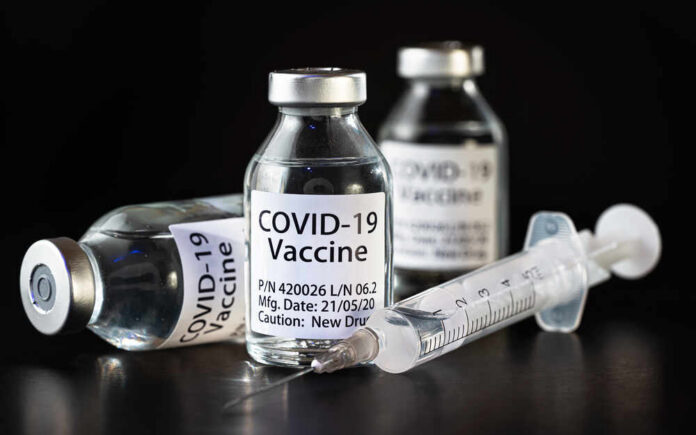
The nation’s top health official ended COVID-19 emergency authorizations that had shielded vaccine makers from many lawsuits, resetting who bears risk and who gets a remedy.
Story Highlights
- Health and Human Services ended COVID-19 Emergency Use Authorization declarations, a key basis for special liability shields.
- The move fits a broader push to wind down emergency powers and return to standard health policy processes.
- Medical groups warn that pulling protections could strain vaccine supply and innovation if broader shields fall next.
- Legal links between each shield and each statute remain complex, and some details are still unclear.
What HHS Actually Terminated And Why It Matters
The Department of Health and Human Services said Secretary Robert F. Kennedy Jr. signed determinations ending COVID-19 Emergency Use Authorization declarations. Those declarations helped support emergency liability protections tied to pandemic countermeasures. Ending them signals a shift away from crisis rules. It could open more legal exposure for products that relied on emergency status. It also raises questions about how claims move between the Countermeasures Injury Compensation Program and standard routes for injury claims.
The legal landscape is layered. The Public Readiness and Emergency Preparedness Act, the Emergency Use Authorization pathway, and long-standing vaccine compensation programs each set different protections. Health Resources and Services Administration guidance explains that many routine vaccines fall under the National Vaccine Injury Compensation Program’s no-fault system, while COVID-19 countermeasures have been handled by the Countermeasures Injury Compensation Program. As emergency declarations wind down, claims processes and shields may change, but they do not all vanish at once.
How This Fits The Administration’s Broader Health Shift
Health and Human Services also announced a restructuring framed as a “Transformation to Make America Healthy Again,” aiming to streamline operations and reduce costs by moving away from emergency-era structures. In public remarks, the secretary rejected proposed World Health Organization rule changes that he said could entrench permanent emergency “narrative management,” underscoring a theme of rolling back crisis powers. The department has also pursued rulemaking to change how federal programs fund some medical procedures, further marking a post-emergency reset.
These steps come amid deep staffing and trust fights. Critics argue that cuts at Health and Human Services and the Centers for Disease Control and Prevention weaken the government’s ability to review science and manage risk. Medical societies have urged the secretary to resign, saying his actions harm public health. Supporters counter that emergency powers lasted too long and blocked accountability. The tension reflects a wider belief that federal systems protect insiders first and leave regular people last.
The Practical Stakes: Access, Accountability, And The Supply Chain
Vaccine makers and public health experts warn that broad removal of liability protections, beyond the emergency step, could shrink supply or slow research, especially for routine childhood shots. The United States created the National Vaccine Injury Compensation Program in the 1980s to keep vaccines available while offering a path to payment for rare harms, after lawsuits threatened supply. That no-fault model remains the backbone for many vaccines. If protections erode without a strong alternative, companies may reduce output or exit lines.
CONSTRUCTIVE NOTICE — Catherine Austin Fitts @austin_fit76995 and all "global debt" profiteers
You say "Your house, your assets, all of the things you think you control, if the debt underneath them is insolvent, they're all worth zero." You say "$300 trillion in global debt… pic.twitter.com/6aeqhsN5Pr
— Skytoshi (@PenguinX01) July 1, 2026
For families, the question is simple: if someone is hurt, where do they go, and who pays? The Health Resources and Services Administration explains that the National Vaccine Injury Compensation Program handles many routine vaccines, while COVID-19 countermeasures have been under the Countermeasures Injury Compensation Program. As emergency authorizations end, the path for COVID-19 products could shift. Clear guidance on claim routes, deadlines, and proof standards will decide whether people feel heard and whether courts get flooded.
What We Know, What We Do Not, And What To Watch Next
The Health and Human Services press notice establishes that COVID-19 Emergency Use Authorization declarations were terminated. The restructuring notice shows a push to normalize operations and curb emergency powers. Public remarks confirm resistance to global rule changes seen as locking in crisis control. What remains less clear is the exact timeline for how liability protections tied to each statute phase out, and how quickly claimants can move from emergency programs to long-standing forums without gaps or delays.
Sources:
zerohedge.com, murray.senate.gov, youtube.com, idsociety.org, washingtonexaminer.com, ncbi.nlm.nih.gov, historyofvaccines.org