Thousands of Peruvians took to the streets of Lima to warn that Keiko Fujimori’s return bid could put too much power back in one political camp.
Quick Take
- Demonstrators gathered in Lima eight days before Peru’s runoff election to oppose Keiko Fujimori’s presidential campaign.[2]
- Protesters argued that giving Fujimori “total power” could deepen democratic damage tied to Fujimorismo.[2]
- Reporters said the march reflected concerns about democracy, justice, and Fujimori’s political legacy.[1]
- Coverage also showed the protest was rooted in memories of Peru’s past conflict and the family name’s lasting political weight.[4]
Why the Protest Mattered
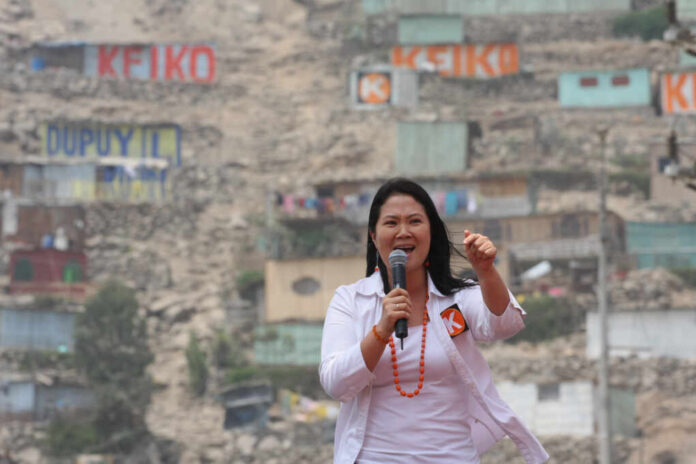
The Lima rally was not a routine campaign protest. Thousands of demonstrators gathered against Keiko Fujimori eight days before the runoff, turning the election into a public warning about concentrated power and democratic decline.[2] The message from the street was blunt: protesters said Peru should not hand “total power” to Fujimori and argued that Fujimorismo had already damaged democratic institutions.[2] That framing gave the march significance beyond one candidate.
The protest also reflected how deeply divided Peru’s political landscape remained. One Reuters video described the crowd as marching against Fujimori over concerns about democracy, justice, and her political legacy.[1] A separate Reuters Connect image showed a protester carrying a sign with the picture of a victim from the 1980s and 1990s guerrilla conflict, underscoring how old national wounds still shape current politics.[4] In that sense, the runoff became a referendum on memory as much as policy.
The Fujimori Legacy Still Shapes the Race
Keiko Fujimori’s candidacy carried the weight of her family name, and the coverage made clear that the name itself remained politically charged. Al Jazeera reported that thousands of people had taken to the streets as she made her fourth presidential bid.[3] The protest language linked her campaign to fears of institutional capture, while supporters could point to the basic fact that she was advancing through the country’s electoral process rather than outside it.[2][3]
That tension helps explain why the race drew such emotional responses from both sides. Critics saw the candidacy as a risk to Peru’s fragile democratic checks, while the existence of a runoff and the scale of the protest showed that the contest was still being decided within established political rules.[1][2] For many Peruvians, the larger issue was not just who could win, but whether the system itself could keep absorbing repeated cycles of distrust, polarization, and institutional strain.
What the Coverage Shows About Peru’s Politics
The reporting on the march suggests a country where elections no longer settle legitimacy questions on their own. Protesters framed Fujimori as a threat to democracy, yet the very fact that they were protesting in public also showed that civic pressure remained part of the political process.[1][2] The clash between legacy, electoral choice, and public distrust illustrates a wider pattern in Latin American politics, where family names and old conflicts continue to influence present-day voting behavior.
🔴 Thousands protest Keiko Fujimori's Peru presidential bid
Thousands demonstrated in Lima against Keiko Fujimori's presidential campaign. Fujimori is Peru's most controversial figure and a four-time presidential candidate.
Her father, Alberto Fujimori, served 16 years in… pic.twitter.com/6PFd2QDnWE
— NewsTongue (@NewsTongueX) May 31, 2026
For readers watching from outside Peru, the larger lesson is that political fatigue can become its own force. When voters believe institutions have been captured, damaged, or detached from ordinary life, street protests often become a way to force those concerns back into the open.[2][4] Peru’s runoff became one more example of how quickly democratic elections can turn into a battle over whether the country’s ruling class, legacy parties, and political networks still serve the public at all.
Sources:
[1] YouTube – Protesters rally against Fujimori ahead of Peru runoff election
[2] YouTube – Thousands in Peru protest Fujimori presidential run
[3] YouTube – Thousands Protest Keiko Fujimori Ahead Of Peru Runoff …
[4] YouTube – Peru Protest Live: Thousands rally in Lima against Keiko …