When Iran can flip a switch and threaten one‑fifth of the world’s oil, it exposes just how vulnerable ordinary Americans are to deals made — and broken — by distant elites.
Story Snapshot
- Iran says it shut the Strait of Hormuz again because the United States broke the Islamabad understanding over the war and the naval blockade.
- United States and allied officials dispute that the waterway is truly “closed,” pointing to ongoing ship traffic and calling Tehran’s move illegal and reckless.
- A secretive “Islamabad deal” sits at the center of the fight, but the full text is still hidden from the public.
- This standoff shows how global chokepoints and quiet agreements can drive up prices and risk war while average citizens watch from the sidelines.
What Iran Says Happened at Hormuz
Iranian military leaders now claim they have closed the Strait of Hormuz again, blaming the United States for breaking a ceasefire understanding linked to the Islamabad talks.[6] Statements from Iran’s top joint military command, carried by Iranian media and foreign broadcasters, say Washington failed to honor key conditions on lifting its naval blockade and restraining Israel’s operations in Lebanon.[9][10] Iranian commanders describe their action as a “response” to American “breach of promise” and violations of the first paragraph of a memorandum of understanding, not as random aggression.[9]
Iran’s messaging stresses that this is conditional pressure, not a forever decision. Officials tied the shutdown to specific demands: full removal of the United States blockade on Iranian ports, an end to Israeli strikes in Lebanon, and withdrawal of American forces from the Gulf region.[2] Iranian state‑linked outlets say the Strait will “remain inaccessible” until those terms are met, but also suggest some managed or supervised transit could continue for certain commercial ships.[2][13] That kind of “grey zone” control gives Iran leverage while trying to avoid open war.
How the United States and Others Push Back
United States officials reject Iran’s framing and cast the closure claims as provocation and bluff. The United States Central Command has repeatedly said commercial shipping continues to move through Hormuz even when Iran declares it “closed,” and has demanded that Tehran keep the waterway open “immediately, quickly and safely” for global traffic.[7][1] Shipping data and news reports describe vessels still navigating the area during earlier closure claims, suggesting Iran’s action is partial, selective, or more rhetorical than total.
At the same time, Washington is not acting as a neutral referee. After peace talks in Islamabad broke down, President Donald Trump ordered a naval blockade of Iranian ports, targeting any vessel entering or exiting Iran while letting non‑Iranian shipping continue through the Strait.[7][9] That blockade hits Iran’s economy directly by choking off its oil exports, even as the United States accuses Tehran of illegally weaponizing Hormuz. Critics note this tit‑for‑tat allows both governments to claim they defend “freedom of navigation” while using the same chokepoint as a pressure tool on each other and on world markets.[9][18]
The Islamabad Deal in the Shadows
At the center of this dispute is a vague Islamabad memorandum of understanding, which both sides reference but have not fully released. Media accounts say Pakistan brokered a short ceasefire and a framework where Iran would reopen Hormuz in exchange for a phased end to the United States blockade and de‑escalation in Lebanon.[2][4][6] Iranian leaders now say Washington showed up in Islamabad with new demands, then dragged its feet on lifting the blockade and restraining Israel’s military operations.[6][13]
The problem for citizens on all sides is that the public still cannot see the actual document. Reporters are working from brief quotes and second‑hand summaries, not the full text with clear obligations.[2][4] That secrecy makes it almost impossible to know who really broke what. Iran says it acted “adhering to the memorandum of understanding” to ensure secure transit.[2] United States officials insist they are enforcing legal rights in international waters.[8][19] Without the deal in daylight, people have to choose which set of elites to trust, even as both have a record of telling only part of the story.
Why This Matters for Energy, Prices, and Power
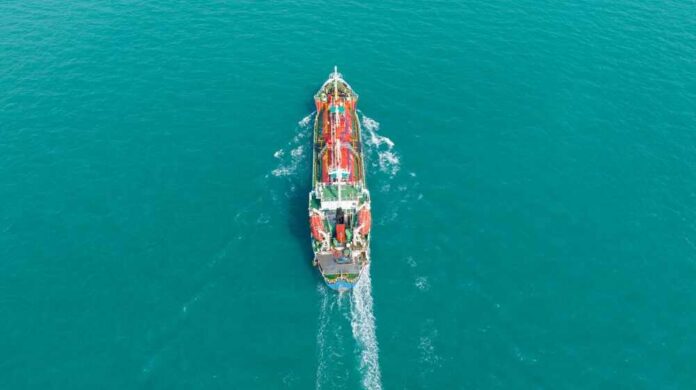
The Strait of Hormuz is not just a dot on a map. Roughly 20 percent of the world’s oil and gas normally passes through this narrow channel.[4][8] Every time Iran threatens closure or the United States tightens a blockade, energy markets jump, and families far from the Gulf feel it in fuel and grocery prices. Analysts warn that even talk of closure can scare shipping companies and insurers, slowing traffic and raising costs without a single shot being fired.[8]
Iran's Revolutionary Guard warned ships away from Hormuz, declared the strait "closed," threatened mines.
Oil is up 0.9%. Bitcoin didn't flinch.That's not the market missing the risk — it's the market making a bet: that Iran is bluffing. And the logic holds. ~25% of seaborne… pic.twitter.com/0beZtBb1JS
— Followin (@followin_io) June 21, 2026
Experts also point out that Iran is unlikely to attempt a clear, permanent blockade, because that would invite overwhelming military retaliation and hurt its own economy.[15][16] Instead, Tehran uses “grey zone” tactics — warnings, “managed passage,” threats of mines, or selective firing on ships — to create enough fear that many vessels stay away.[13][14][19] The United States, for its part, uses its navy and sanctions to control which cargoes move and which economies get squeezed.[4][9] Both strategies turn a shared waterway into a bargaining chip handled by a small group of powerful players, while workers, drivers, and small businesses carry the risk.
Shared Frustration with Distant Decision‑Makers
For conservatives and liberals back home, this crisis feeds a common feeling: big decisions are made over their heads. The Islamabad talks happened behind closed doors. The naval blockade order came from Washington after a brief briefing. Iran’s closure statements drop on state television and Telegram channels. Ordinary Americans and Iranians, who will live with higher prices and higher danger, have almost no say in any of it.[6][7][8]
Both sides talk about “security,” “deterrence,” and “national interests,” yet the same pattern repeats. A secret deal is floated, then disputed. Powerful states use a vital trade route as leverage. News of “closure” or “reopening” whipsaws markets and retirement accounts. Whether you worry about endless wars, globalist entanglements, or corporate profiteering off chaos, the Strait of Hormuz standoff shows how a handful of leaders and insiders can push the world toward economic pain and possible war while the public travels in the dark.
Sources:
[1] Web – Iran Shuts Down the Strait of Hormuz Again, Says the U.S. Breached the …
[2] Web – Iran announces closure of Strait of Hormuz following US strikes
[4] YouTube – Iran closes Strait of Hormuz despite ceasefire after continued Israeli …
[6] Web – Oil prices settle lower after Trump cancels planned strikes against …
[7] YouTube – 12 Weeks of Crisis: A Full Recap of the Strait of Hormuz Blockade
[8] YouTube – Iran Announces Closure of the Strait of Hormuz Again
[9] Web – Reports of Iran closing Strait of Hormuz ‘completely …
[10] Web – Iran threatens painful response if US renews attacks
[13] Web – Iran closes Strait of Hormuz after US blockade
[14] Web – Iran’s military says it has closed the Strait of Hormuz after ‘ …
[15] YouTube – Iran says its closing Strait of Hormuz again until US lifts …
[16] YouTube – Strait of Hormuz crisis: Iran fires on ships as US tensions …
[18] Web – What If: Iran Closed the Strait of Hormuz?
[19] Web – Over the past 72 hours, Iran has swung from briefly reopening the …