Pope Leo XIV cast a Chicago mail-in ballot in the 2026 U.S. midterms, a first for any sitting pope and a striking blend of personal citizenship and global church leadership.
Story Snapshot
- The Holy See confirmed Pope Leo XIV voted by mail in Chicago before the midterms.
- News outlets reported he is the first sitting pope to vote in a U.S. election.
- The Vatican framed the vote as a citizen’s right and duty, not a political act.
- The ballot’s content was not disclosed, leaving no evidence of partisan support.
What Happened: A Historic First With a Chicago Mail Ballot
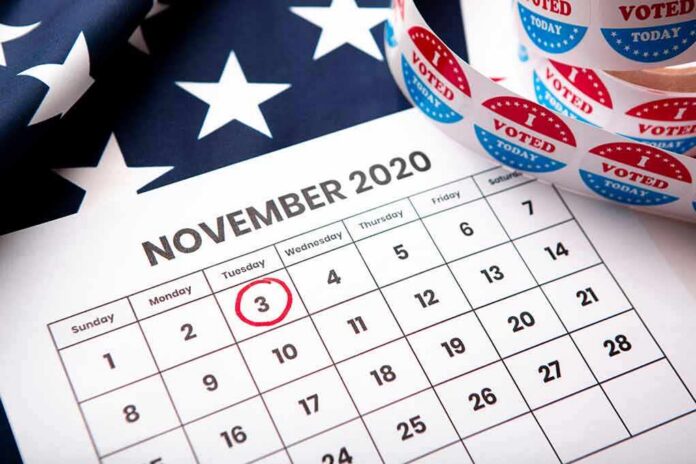
The Holy See Press Office said Pope Leo XIV submitted a mail-in ballot in Chicago ahead of the November 3, 2026 midterm election. The statement identified him as a United States citizen and described voting as his long-standing civic practice. It said citizens have a right and duty to take part in democratic life. Major outlets echoed the announcement and timeline. They highlighted that the vote happened before Election Day under normal mail procedures for Illinois voters.
Associated Press reported that Pope Leo XIV became the first pontiff to vote in a United States election. Reports also noted his American roots and past civic engagement. Coverage tied the facts back to the Vatican statement and did not list any special exceptions used. This historic “first” is the core new fact. It places a religious leader with global reach in a routine act of citizenship tied to one country’s politics and policies.
Why It Matters: Citizenship, Sovereignty, and Boundaries
This event links two roles that usually stay apart: a personal voter and the head of the Holy See. International law separates the person of the pope from the Holy See and Vatican City, which carry their own legal status. That distinction helps explain why a personal ballot does not by itself change the Holy See’s sovereignty. The available reporting does not cite any rule that bars a pope from voting in national elections as a private citizen.
The Vatican described the vote as part of a long-standing habit, including times he was eligible while living in Peru. That framing stresses personal duty, not institutional power. At the same time, many people across the political spectrum fear that powerful figures blur lines to protect their interests. A pope dropping a ballot in a U.S. race feeds those worries, even if the legal lines remain intact. This is why transparency about process matters.
What We Know and Do Not Know About Politics and Process
Reporters said the Vatican did not disclose how Pope Leo XIV voted. That keeps the act nonpartisan in public view. No outlet identified a preferred candidate or policy choice. The focus stays on the unprecedented step of a sitting pope voting in a United States election. The reporting confirms the where, when, and how, and connects it to his American citizenship, but it does not go beyond that into political substance.
🇺🇸 Pope Leo XIV has already voted in Tuesday's US midterms, by post. He's the first pope ever to vote in a US election.
The Chicago-born pope sent his ballot to Illinois.
The Vatican confirmed it on Friday but didn't say who he voted for.
He's the first American pope, so no pope…— ChaosLensX (@ChaosLensX) October 30, 2026
Americans on the right and left feel shut out by elites who play by different rules. They see rising costs, stale wages, and leaders who dodge the hard fixes. Against that backdrop, a global religious leader taking part in a U.S. vote lands as a symbol of a system where lines blur. Supporters may see civic duty. Skeptics may see special reach. Both views share the same core demand: keep power honest, and keep institutions separate from partisan sway.
Bottom Line: An Unprecedented Act That Tests Perception
The facts are clear. Pope Leo XIV, a United States citizen, cast a Chicago mail ballot in the 2026 midterms. Media reported it as the first time a sitting pope voted in a United States election. The Vatican called it a citizen’s right and duty. No source shows his choices on the ballot. The act itself does not prove a breach of sovereignty. It does, however, test public trust at a time when many believe leaders too often cross lines that should stay bright.
Sources:
washingtonpost.com, post-gazette.com, vaticannews.va, wlky.com