New York’s homeland-security funds were slashed, then largely restored after backlash, turning a grant fight into a high-stakes “defund the police” showdown.
Story Snapshot
- New York leaders said federal cuts removed $187 million in counterterrorism and public safety funds.
- President Trump later said he reversed the cuts and restored the money.
- Court orders and lawsuits also pushed back on related funding denials.
- The dispute shows how security grants become leverage in bigger political battles.
What Sparked The “Defund” Claim In New York
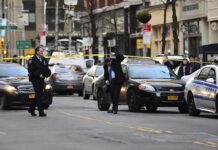
Governor Kathy Hochul said the Department of Homeland Security cut New York’s counterterrorism and homeland-security funding by 86 percent, about $187 million. Her office warned that local police, transit security, and first responders would face direct hits. State documents cited a large projected impact on the New York Police Department and other agencies. The cuts followed earlier reductions in summer allocations and set off a rapid political firestorm across city and state leadership circles.
New York officials also pointed to a separate denial of transit security funds. That step affected the Metropolitan Transportation Authority and the New York Police Department’s transit operations. A judge quickly stepped in and temporarily blocked one of those denials, buying time for agencies that rely on this money for cameras, training, and emergency drills. State leaders framed the set of actions as “defunding the police,” tying grant lines to visible safety programs.
How The Federal Government Responded
President Trump said he reversed the $187 million in cuts after hearing the pushback. The administration announced that the funding would be restored for New York’s counterterrorism and homeland-security needs. News accounts and official statements described a rapid reversal following bipartisan pressure from New York lawmakers and local officials. The turnabout reduced immediate risk to planned equipment upgrades, training cycles, and overtime tied to specific security programs.
Federal officials also signaled adjustments within the grant process after talks with partners. Reporting described the initial allocation as meeting the program’s rules, but the follow-up opened access to additional dollars for New York’s needs. That sequence shows how agencies can recalibrate awards when political, legal, and operational risks pile up. It also shows how fast-moving safety concerns can override earlier budget plans once public pressure mounts.
Courts, Lawsuits, And The Power Struggle Over Grants
Courts played a key role as New York and other parties challenged the cuts and conditions. A federal judge blocked a $34 million transit security reduction, protecting core counterterror tools for the subway system while the case proceeded. At the state level, leaders used lawsuits and letters to press for transparency and a return to prior allocations. Legal action became a check on sudden shifts that local agencies could not easily absorb midyear.
NY Democrat Governor Kathy Hochul: "Donald Trump is defunding the police." pic.twitter.com/9H49o14yNk
— TheBlaze (@theblaze) September 1, 2026
New York Attorney General Letitia James later announced a final legal win that safeguarded critical homeland-security funding. The administration dropped its appeal after a court granted summary judgment in December, which locked in aid for New York. That outcome underscored how grant fights can end in the courtroom when policy levers collide with state security claims. For police and transit teams, those rulings meant planned projects could continue.
Why This Fight Resonates Beyond One State
This clash fits a broader national pattern. Washington often uses security grants as leverage in policy disputes. Big-city programs, like bomb squads and transit security, depend on these funds. When grants are reduced, state and local leaders warn of softer targets and slower responses. When grants are restored, Washington argues it followed rules but listened to partners. The result is a cycle that shakes public trust and fuels anger at government on both sides.
What It Means For Public Safety And Politics
Police and first responders need stable funding to plan training, buy gear, and staff special units. Sudden cuts, even if later reversed, force chiefs to delay contracts and shift officers. Families riding the subway or visiting crowded sites see headlines, not budget memos, and worry about safety. Voters in both parties see power games in Washington while local teams scramble. That gap between politics and daily security work drives today’s frustration with the system.
Sources:
malliotakis.house.gov, wpdh.com, nytimes.com, governor.ny.gov, nypost.com