Denmark’s “Arctic Endurance” operation is being sold as routine NATO readiness, but the planning details point to something far more provocative: a tripwire built for a worst-case clash with the United States.
Story Snapshot
- Denmark surged troops, naval assets, and contingency supplies into Greenland in January 2026 under Operation Arctic Endurance, publicly framed as Arctic security training.
- Timelines indicate the deployment’s “tripwire” posture was designed to make any U.S. move on Greenland politically and militarily costly amid President Trump’s annexation rhetoric.
- NATO broadened the Arctic posture in February 2026 with “Arctic Sentry,” linking allied activity to Joint Forces Command Norfolk and tightening European coordination in the High North.
- Denmark’s messaging emphasized Russian activity, while multiple elements—stocks of live ammunition and demolitions planning—suggest preparation for a wider range of contingencies.
What Denmark Actually Put on the Ground in Greenland
Denmark’s January 2026 surge to Greenland went beyond symbolic flag-showing. Forces arrived in Nuuk and Kangerlussuaq in waves, with more than 100 troops reported in each location before Denmark added roughly 200 more soldiers to reinforce Joint Arctic Command. Danish reporting around the operation also referenced contingency stocks—live ammunition, medical supplies including blood, and explosives—paired with naval presence like the frigate HDMS Peter Willemoes.
Danish Army leadership treated the deployment as operationally serious winter warfare training, with senior commanders arriving to oversee activities near Kangerlussuaq. The timeline described special forces training beginning months earlier and then quickly expanding into a multinational presence as other European states sent personnel to Nuuk. The result was a sustained, layered posture: troops, logistics, and naval coverage built for endurance in extreme terrain rather than a short public-relations exercise.
The “NATO Exercise” Framing vs. the U.S. Tripwire Interpretation
Denmark and NATO-facing communications leaned on familiar language—readiness, Arctic security, and monitoring Russia—because those are established alliance priorities. At the same time, sourcing describe analysts and confirmed accounts interpreting Arctic Endurance as a deliberate signal to Washington amid President Trump’s repeated talk of annexing or taking Greenland. That “tripwire” concept matters because it is meant to lock in allied costs early in a crisis.
The available material does not prove a single unified “disguise” plan in the sense of falsified public documents; instead, it shows a gap between the public emphasis and what the operation’s contingencies imply. Pre-positioned ammunition and explosives planning are not inherently unusual in military planning, but their inclusion in a Greenland context—during a heated diplomatic moment—adds weight to the interpretation that Denmark was preparing for more than Russian shadowboxing.
How NATO’s “Arctic Sentry” Changes the Political Stakes
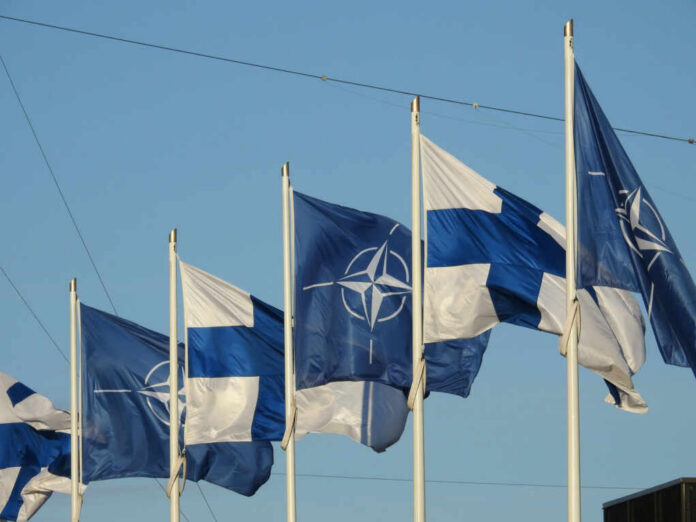
NATO’s February 2026 launch of “Arctic Sentry” widened the context around Denmark’s moves by integrating allied Arctic activity under Joint Forces Command Norfolk. Defense described this as part of a more unified Arctic command posture, with allied contributions and planning roles expanding. Denmark’s own defense leadership welcomed the NATO framework, while allied states—including the UK—outlined larger rotations and exercises tied to High North readiness through 2026.
For American voters already wary of global bureaucracies, the key fact is structural: once operations are “NATO-ized,” the political pressure to treat a local sovereignty dispute as an alliance matter increases. Greenland is autonomous but defended by Denmark, and the operation’s multinational footprint makes it harder to separate pure Danish territorial defense from broader alliance messaging. That is precisely why “tripwire” deployments are used—because they change calculations before a shot is fired.
Why Greenland Keeps Coming Up—and What’s Known vs. Assumed
Greenland’s strategic pull is not new. U.S. interest dates back to World War II basing and resurfaced publicly when President Trump floated a purchase idea in 2019. By 2026, melting ice and expanding sea-lane and resource competition have pushed Arctic security higher on NATO’s agenda, and Denmark has maintained aviation and surveillance assets supporting its presence. Those elements establish a real strategic backdrop, not just political theater.
No combat has been reported, and official statements highlighted Russia as the primary threat. Still, the operational profile—reinforcements, supplies, and sustained training—shows Denmark treating Greenland as a frontline political problem in 2026, not a distant outpost, as NATO’s Arctic posture accelerates.
Sources:
NATO kicks off Arctic Sentry operation following Greenland brouhaha