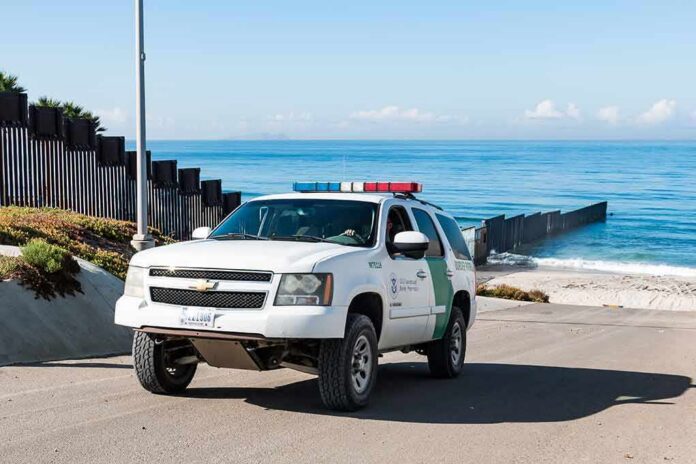
After at least 67 people died during a mass rush into Ceuta, Spain rushed a 500-meter floating sea barrier into place to halt further crossings.
Story Snapshot
- Spain began installing a 500-meter floating barrier off Ceuta’s Tarajal breakwater after a deadly surge.
- Officials said sea crossings into the enclave stopped overnight as work began.
- Authorities reported at least 67 deaths linked to the rush, including drownings and crush injuries.
- The barrier sits partly above water with a submerged section and a patrol channel to deter swimmers.
Spain’s Emergency Move at Ceuta’s Shoreline
Spanish Civil Guard police started laying a new 500-meter floating barrier at the Tarajal breakwater in Ceuta on Saturday morning, hours after a deadly inflow from Morocco strained local services. Spain said sea crossings into the North African enclave stopped overnight as the work got underway, easing an immediate crisis but not ending the broader challenge. Officials described the device as a near-surface obstacle meant to block swimmers and small floaters approaching the seawall.
Wire photos and video showed crews deploying linked floats and lines close to the breakwater while patrol boats held a channel for security craft. Spanish officials said the design places 30 to 70 centimeters above the waterline, with added depth below, to disrupt improvised sea entries. The barrier’s location covers a route used during the rush, when many people tried to round the structure at the seawall. Authorities framed the step as a fast, visible border control tool.
Human Toll and Strain on Border Systems
Government statements and press reports put the death toll from the border rush at a minimum of 67, including drownings near the breakwater and fatalities from crushing during chaotic movement. Local leaders described overwhelmed services as police, medics, and rescue teams worked to stabilize the area. The sudden volume triggered triage at beaches and staging points. While most people who made it across were later returned, the scale revealed a fragile line between order and tragedy at sea.
Officials and journalists reported that tens of thousands attempted to enter the enclave by land and sea during the spike, flooding known corridors around the seawall and nearby beaches. The enclave, long ringed by fences and patrols, saw many approach the water with inflatables or by swimming along man-made structures. The response mixed rescue operations, returns, and crowd control. The floating barrier aims to slow that marine route enough for patrol units to interdict earlier.
What a Floating Barrier Can and Cannot Do
European border episodes often follow a pattern: a sudden surge, an immediate physical measure, and a debate over whether deterrence or symbolism is at work. In Ceuta, Spain paired the barrier with patrols and a controlled channel for security boats. Early reports linked the overnight pause in crossings to the installation, but firm evidence on long-term impact is not yet available. Past practice at Ceuta and Melilla shows that layered systems, not single tools, shape outcomes.
JUST IN🚨:
Spain says migrant crossings into Ceuta stopped overnight.
Police have begun installing a 500-metre floating barrier off the border with Morocco after a mass rush that killed at least 67 people.
Around 50,000 crossed from Thursday. More than 48,000 had already…
— Greyep™️ (@Greyepisodes) August 1, 2026
Spain’s move also fits a broader question both left and right ask: who sets and manages border rules when pressure spikes. Supporters see the barrier as a needed safety and sovereignty step after deadly scenes near the breakwater. Critics may argue that floating walls shift routes rather than solve drivers of movement. For now, the facts are clear: crews installed a 500-meter line, crossings paused overnight, and authorities are betting that time and control can prevent another mass tragedy.
Sources:
youtube.com, reuters.com, nytimes.com, x.com