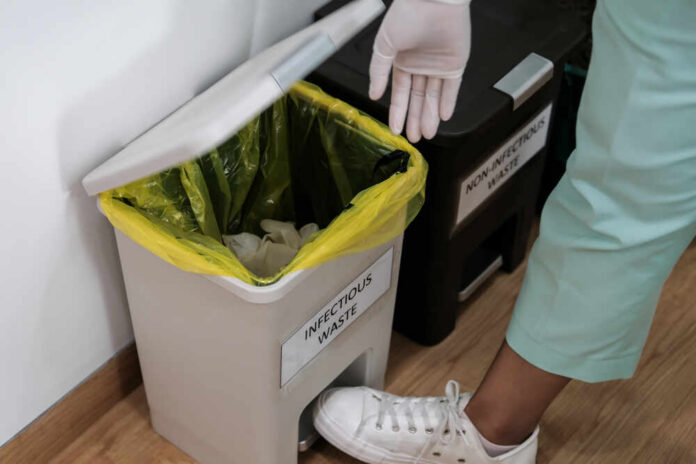
Chemical abortion pills are dumping over 50 tons of toxic waste—including fetal remains and endocrine-disrupting chemicals—into America’s water supply every year, endangering families nationwide.
Story Highlights
- Rep. Mary Miller (R-IL) introduced the Clean Water for All Life Act, to halt this pollution by restricting telehealth prescriptions and mandating proper waste disposal.
- The bill requires in-person doctor exams and “catch kits” for handling blood, tissue, and remains from at-home abortions, with up to five years in prison for violations.
- Pro-life advocates like Students for Life of America cite wastewater studies showing mifepristone remnants persist in tap water, linked to infertility risks.
- 14 Republican cosponsors, including Reps. Boebert and Gosar, back the measure in the GOP-controlled House, blending environmental protection with defense of life.
Bill Introduction Targets Abortion Pill Pollution
Rep. Mary Miller introduced the Clean Water for All Life Act on March 18, 2026, during a Capitol Hill press conference. The legislation amends Title 18 U.S. Code to curb chemical abortions using mifepristone and misoprostol. It bans telehealth prescriptions, demands in-person physician exams, and enforces medical waste “catch kits” for fetal remains, placental tissue, blood, and chemicals. Penalties reach five years imprisonment for non-compliance. Sponsors frame this as essential to stop 50 tons of annual flushed waste overwhelming wastewater systems.
Surging Chemical Abortions Fuel Environmental Crisis
Chemical abortions surged past 60 percent of U.S. cases after the 2022 Dobbs decision overturned Roe v. Wade. FDA expansions enabled mail-order and telehealth access despite state bans. Pro-life group Students for Life of America raised alarms pre-2020 about campus dispensing and unfiltered flushing of biohazards. Wastewater plants fail to remove progesterone-disrupting chemicals, which SFLA tests detected in European samples—including post-treatment tap water—due to U.S. research reluctance. This pollution threatens public health and family values.
Key Republican Leaders and Advocates Unite
Rep. Diana Harshbarger (R-TN), a former pharmacist, cosponsors to demand accountability for toxic byproducts and protect women’s health alongside innocent life. Other backers include Reps. Sheri Biggs (R-SC), Lauren Boebert (R-CO), and Paul Gosar (R-AZ), totaling 14 Republicans. SFLA leaders Kristan Hawkins, Kristi Hamrick, and Tina Whittington champion the bill as their federal model legislation. Concerned Women for America criticizes EPA inaction on these unfiltered endocrine disruptors. Miller vows to end the “murder-for-profit” industry’s assault on water purity.
Harshbarger stated chemical abortion drugs produce toxic byproducts flushed without oversight. Miller warned water systems cannot filter these substances, exposing families to infertility and cancer risks. Hawkins highlighted pre-pandemic campus dangers. The bill launched amid mifepristone FDA litigation in a Republican House.
Potential Impacts and Challenges Ahead
Passage could force in-person protocols, reducing telehealth abortions and easing wastewater burdens. Providers face “catch kit” costs, while families gain cleaner water free of abortion-linked toxins. Pro-life groups see a policy victory; utilities benefit from less biohazard strain. Long-term, it sets environmental precedents for drug regs, though Senate Democrats pose hurdles. Critics question SFLA’s unpublished study science, but core waste claims hold across sources. This hybrid strategy bolsters GOP platforms protecting life and stewardship.
Sources:
House Republicans seek to use water pollution rules to restrict abortion pill
Bill leans on the environment to curb abortion pill access
GOP bill aims to prevent aborted babies from being flushed down toilet, restrict abortion pill use
Clean Water for All Life Act Federal Launch Making Headway on Capitol Hill
House bill targets environmental impact of chemical abortion and doctors’ role in the process