A top Trump-era counterterrorism chief quit over the Iran war—then news broke he’d already been under FBI scrutiny for months over alleged classified leaks.
Story Snapshot
- Former National Counterterrorism Center Director Joe Kent resigned March 18, 2026, citing opposition to the Trump administration’s war with Iran.
- CBS News and Axios reported the FBI has been investigating Kent for months on suspicion of leaking classified information.
- Administration officials publicly described Kent as a “known leaker” and said he was kept out of key presidential briefings.
- Kent used his resignation letter and a Tucker Carlson interview to argue Iran posed no imminent threat, while the White House rejected those claims.
Resignation Meets a Leak Probe
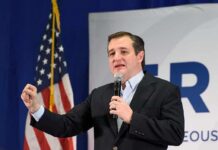
Joe Kent, who led the National Counterterrorism Center after Senate confirmation in summer 2025, resigned Tuesday, March 18, 2026, through an open letter sharply criticizing the administration’s decision to wage war with Iran. Within the same news cycle, reports said the FBI had been investigating Kent for “some time” on suspicion of leaking classified information. The FBI’s Criminal Division is handling the probe, and the investigation began before Kent’s resignation.
The timing leaves Americans with two realities that don’t neatly fit together: a senior national-security official publicly breaking with the Commander in Chief during a major conflict, and federal investigators pursuing a potential leak case that could involve sensitive intelligence. Reporting has not publicly identified the full scope of what was allegedly leaked, and details remain limited because the underlying material is classified and the investigation is ongoing.
What Kent Claims About Iran—and What the White House Rejects
Kent’s resignation letter argued Iran “posed no imminent threat to our nation” and suggested the war began due to pressure from Israel and a powerful American lobbying network. Kent expanded on those arguments in a lengthy interview the next day, saying there was no intelligence showing an imminent Iranian attack capability or an imminent Iranian nuclear weapons development timeline. Those assertions are central to his public justification for leaving the job.
White House Press Secretary Karoline Leavitt responded that Kent’s letter was filled with “false claims,” insisting Iran did pose an imminent threat and calling the idea that President Trump was driven to war by Israel “insulting and laughable.” Leavitt also said Kent “was not involved in any of the discussions” before or during the conflict. President Trump separately dismissed Kent as “weak on security” and called the resignation “a good thing,” directly disputing Kent’s threat assessment.
Alleged Leak Targets and Why This Case Matters
Axios reported Kent is suspected of leaking information to Tucker Carlson and another conservative podcaster, with the FBI examining leaked intelligence connected to Israel and Iran. That distinction matters: leaks tied to live foreign-policy flashpoints can create real operational and diplomatic damage even when the leaker claims public-interest motives. At the same time, the public still lacks enough verified information to judge what, if anything, was improperly disclosed, because investigators have not released evidence and Kent has not answered questions about the probe.
Accountability Without Political Double Standards
Conservatives have watched federal power used aggressively in recent years, which makes transparency and even-handed standards crucial now—especially when the subject is a Trump appointee and the allegations touch both national security and internal dissent. Administration allies have portrayed Kent as unreliable and said he was excluded from presidential briefings, while sources familiar with the investigation told reporters he had a monitored “paper trail” and may argue retaliation. Public reporting has not resolved why Kent remained in his post if the investigation predated his resignation.
Leaky Joe? Trump's Former Counterterrorism Head Is Now Under FBI Investigation
https://t.co/50euDxcNMH— Townhall Updates (@TownhallUpdates) March 19, 2026
For voters who want a government that follows the Constitution and treats citizens equally, the basic test is straightforward: if evidence supports a leak charge, the law should apply; if evidence is thin, the public deserves to know why a high-profile target was pursued. Until investigators or prosecutors provide more facts, the case remains a high-stakes mix of confirmed events—resignation, an active FBI probe, and sharp public disputes—surrounded by unanswered questions about what was shared, to whom, and with what intent.
Sources:
Joe Kent, ex-Trump counterterrorism chief who resigned over Iran
Joe Kent FBI leak investigation
FBI probing counterterrorism official who quit over Iran war, US media reports