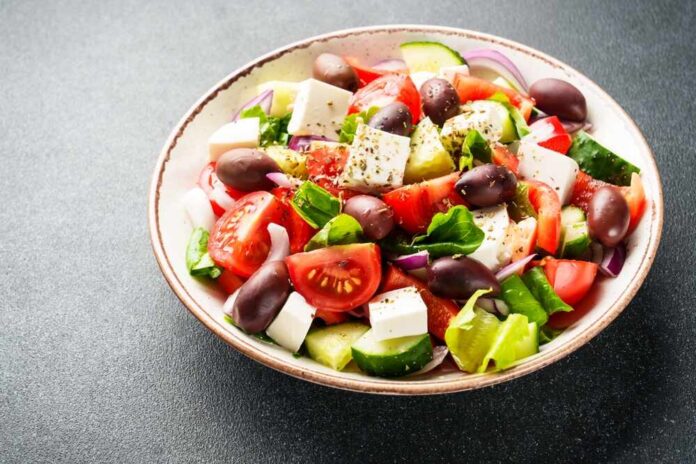
The strongest “mental health diet” signal in modern research isn’t a supplement, a cleanse, or a miracle food—it’s a stubbornly old-fashioned way of eating that keeps beating newer fads in head-to-head comparisons.
Quick Take
- Mediterranean-style eating repeatedly correlates with lower depressive symptoms and better quality of life across large reviews and cohorts.
- Anxiety results look more mixed than depression, which matters for anyone expecting a one-size-fits-all mood fix.
- Prospective data in people with multiple sclerosis suggests meaningful mental health associations over years, not just weeks.
- Several datasets show stronger benefits for women, a clue that biology and lifestyle context both shape results.
Why This “Worthwhile Diet” Claim Keeps Surfacing
Researchers keep circling back to the Mediterranean diet because it shows up in serious, unglamorous places: systematic reviews, long follow-ups, and studies that try to control for obvious confounders. One large review of adult studies summarizes a familiar pattern: higher adherence to Mediterranean-style eating aligns with better mental health outcomes, especially for depression, and with improved wellbeing measures like quality of life. That’s not proof of causation, but it’s a repeated signal across settings.
The headline temptation is to treat this as a “food cures depression” story. Common sense says resist that. Depression, anxiety, and stress come with real medical, social, and spiritual dimensions, and no salad can replace competent care. The more responsible takeaway is narrower and more useful: diet appears to be a legitimate lever. The practical question becomes which lever, how hard to pull, and for whom it works best.
What “Mediterranean Diet” Actually Means in These Studies
Mediterranean diet studies don’t describe a single menu; they describe a pattern. The core shows up repeatedly: high intake of vegetables, fruits, legumes, whole grains, nuts, olive oil, and fish; lower intake of ultra-processed foods and added sugars; and less emphasis on red and processed meats. Many scoring systems also capture a cultural rhythm—regular meals, often shared—which may matter because loneliness and irregular sleep/eating patterns can magnify mental strain.
That pattern matters because it dodges a common modern trap: swapping “healthy” labels onto industrial foods. A “low-fat” cookie still behaves like a cookie in the bloodstream. The Mediterranean pattern, when done honestly, pushes people toward foods that are harder to overeat and easier to recognize—ingredients your grandparents would identify without needing an app. For readers over 40, that alone can be a mental relief: fewer rules, more repeatable habits.
Depression Shows the Clearest Link; Anxiety Is More Complicated
The depression signal tends to be more consistent than the anxiety signal across the literature. That difference is important because many people bundle “mental health” into one bucket, then feel cheated when they don’t get universal results. The research pattern suggests something more realistic: Mediterranean-style eating may reduce depressive symptoms or risk markers more reliably than it reduces anxiety measures, which are often more sensitive to stress load, trauma history, and immediate life conditions.
Conservative-minded readers often ask the right question: is this just correlation because health-conscious people also exercise, sleep better, and avoid risky behaviors? Some studies attempt to adjust for those factors, but adjustment isn’t magic. The best argument for the diet being “worthwhile” isn’t that every confounder disappears; it’s that the association persists across many populations and methods. In plain terms, the signal survives contact with reality better than most nutrition headlines do.
A Closer Look at Long-Term Data: Multiple Sclerosis and Mental Health
Prospective research in people living with multiple sclerosis adds weight because it follows participants over years, not just snapshots. MS brings higher risk of depression and anxiety, so it’s a tough environment in which to see dietary associations. In a multi-year follow-up, Mediterranean diet adherence aligned with better mental health outcomes and quality of life, with some findings showing sex-specific patterns—women appearing to benefit more for depression and quality-of-life measures.
That sex difference shouldn’t trigger culture-war reflexes; it should trigger curiosity. Biology, hormones, medication patterns, social support, and even who typically buys and prepares food can all shape adherence and outcomes. The policy implication is straightforward: public health messaging should stop pretending every body responds the same way. The household implication is even simpler: the person who plans meals can quietly change the family’s mental-health trajectory without making dinner a political argument.
Mechanisms: Inflammation, the Gut, and the Slow War on the Brain
Mechanistic explanations in this field often converge on inflammation, oxidative stress, and the gut microbiome. Mediterranean-style eating tends to deliver more fiber and polyphenols and better fat quality, which can influence inflammatory pathways and microbial byproducts linked to brain signaling. None of that means you can “hack serotonin” with olive oil. It means the body’s background noise—metabolic stress, blood sugar swings, inflammatory load—may quiet down enough for the mind to cope better.
People underestimate how small daily physiological stressors stack up after 40. The point isn’t perfection; it’s reducing friction. Replacing ultra-processed snacks with nuts or fruit, choosing fish more often, and using olive oil instead of seed-oil-heavy fried foods can shift the baseline. That baseline shift won’t cancel a crisis, but it can make therapy, exercise, and sleep work better—like fixing the foundation before repainting the house.
What a “Worthwhile” Approach Looks Like Without Turning Food Into Religion
A sensible Mediterranean approach respects budget, time, and tradition: rotate affordable fish options, anchor meals with beans or lentils, and build plates around vegetables instead of refined starch. If a study-grade version feels unrealistic, scale it: two Mediterranean-style dinners a week becomes four; sugary breakfast becomes yogurt, fruit, and nuts. The conservative value here is stewardship—small, disciplined choices that don’t require bureaucracy or dependency.
The caution flag remains causality. Reviews still call for more rigorous trials, and that’s fair. But waiting for perfect proof while ultra-processed food dominates the American diet is also a decision—one that tends to increase chronic disease and strain families. Mediterranean-style eating stands out because it’s low-regret: even if the mental health effect is smaller than hoped, the cardiovascular and metabolic upsides still pay dividends.
Mediterranean eating looks “worthwhile” not as a miracle, but as a durable, repeatable pattern that aligns with better mental health markers—especially for depression—while leaving room for personal responsibility, clinical care, and the real-world complexity of the human mind.
Sources:
https://pubmed.ncbi.nlm.nih.gov/41194535/
https://pubmed.ncbi.nlm.nih.gov/41314174/
https://www.cambridge.org/core/product/1242E715DAD5CCE32FB39573A32D36BB
https://uclacns.org/mediterranean-diet-for-mental-health-women-are-bigger-beneficiaries/
https://academic.oup.com/nutritionreviews/article-abstract/83/2/e343/7676031
https://www.health.harvard.edu/mind-and-mood/mediterranean-diet-may-help-ease-depression