Three people died when an NBC4/Telemundo 52 news helicopter crashed in Los Angeles while covering a deadly bus collision, underscoring long-running safety gaps that federal investigators keep warning about.
Story Highlights
- A KNBC news helicopter crashed near a fatal bus collision scene, killing three people.
- NBC4 and Telemundo 52 confirmed the aircraft was providing aerial coverage.
- The National Transportation Safety Board has criticized broader helicopter-airspace risks.
- Authorities say one victim was on the ground; two were aboard the helicopter.
What Happened Near the Crash Scene
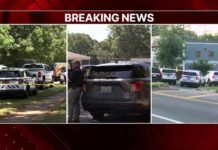
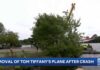
Los Angeles Fire Department crews responded Tuesday evening to a helicopter crash near Chatsworth, close to where a fatal bus collision had drawn media and first responders earlier in the day. Officials reported three deaths and additional injuries at the scene. Coverage from the area identified the downed aircraft as a television news helicopter serving NBC Los Angeles and Telemundo 52 that had been documenting the bus crash from the air. City leaders called the loss heartbreaking and urged patience as investigators began their work.
NBC4 and Telemundo 52 issued a statement confirming the aircraft was providing aerial news coverage for both stations when it went down. The stations expressed condolences to the families, friends, and colleagues of those who died. Follow-up reports identified the helicopter as NewsChopper4, which serves KNBC’s broadcasts. Initial reports from local and national outlets said two people on board and one person on the ground were killed. One additional person was taken to a hospital.
Who Was Involved and What Authorities Confirmed
Local outlets and national networks reported that the victims included the helicopter’s reporter and pilot, and a person on the ground caught in the impact zone. NBC Los Angeles described the aircraft as part of its routine live coverage apparatus used to track major incidents from above, including traffic crashes and fires. The scene featured heavy fire, multiple damaged vehicles, and a swift response by firefighters and police, who worked to secure the area and treat survivors amid debris and fuel hazards.
Officials did not release a cause. That process can take months in aviation cases. Standard steps include collecting witness statements, securing video, reviewing maintenance logs, and checking weather and air-traffic data. While those answers are pending, city officials focused on caring for families and the newsroom community. Newsrooms across Southern California paused to honor colleagues involved in aerial coverage, a staple of local television news.
Why This Fits a Larger Safety Pattern
The National Transportation Safety Board (NTSB) and many aviation experts have flagged a broader risk zone for helicopters operating in crowded urban airspace. Recent federal findings tied a deadly Washington, D.C. midair collision to design flaws in airspace and weak risk controls. Leaders called the mix of helicopters and other aircraft near busy approaches an “intolerable risk” when pilots must rely on “see and avoid”. The NTSB also pressed the Federal Aviation Administration (FAA) to improve responses to safety recommendations.
Two people killed aboard a news helicopter that crashed in Los Angeles have been identified as colleagues and officials paid tribute Wednesday.
The chopper had been covering a nearby crash involving an SUV and a city bus when it crashed near a commercial building and caught… pic.twitter.com/Cailg6iJUV
— The National Desk (@TND) September 16, 2026
Past news helicopter crashes show how multiple factors often combine. Investigations have cited pilot workload during live reporting, tight routes, weather, and maintenance lapses. The pattern is rarely one single error. Instead, it reflects system choices that push crews to fly low and close to populated areas to deliver live pictures fast. Experts warn that organizational pressure, route design, and oversight gaps can raise risks even when pilots are skilled and aircraft are sound.
What Investigators Will Likely Examine Next
Investigators typically look at five buckets: mechanical condition, pilot experience and rest, weather at the time, air-traffic direction, and the newsroom’s operational demands. They will study flight track data and radio calls if available. They will review inspection records and past maintenance notes for the helicopter. They will ask managers how assignments were planned and how risk was weighed against live coverage needs. Each step aims to explain how the flight path intersected with danger that day.
Federal officials may revisit helicopter operating routes in the San Fernando Valley and whether nearby airspace procedures are clear and updated. The D.C. case showed how route placement near active traffic can magnify risk, especially when crews must split attention between flying and gathering news. If investigators find design or oversight gaps, they could urge safer routing, tighter minimum altitudes, or new technology to improve traffic awareness for news aircraft.
Why This Matters to Viewers and Voters
Local news helicopters help people avoid traffic jams, track wildfires, and learn about public safety events in real time. But every flight moves over homes, schools, and streets. When safety systems fall short, the cost lands on working families, bystanders, and journalists doing their jobs. Many Americans feel that agencies respond too slowly to fix known hazards. The NTSB’s recent rebukes of the FAA show why trust is thin and why timely, concrete safety changes matter now.
Viewers can expect a formal probe, a factual report, and, if needed, new safety steps. Families of the victims deserve clear answers. So do the people on the ground who live under these routes. The lesson from past cases is simple: act on known risks, not after another tragedy, but before the next routine flight becomes headline news.
Sources:
nypost.com, abc30.com, nbclosangeles.com, en.wikipedia.org, pbs.org, reuters.com, news3lv.com