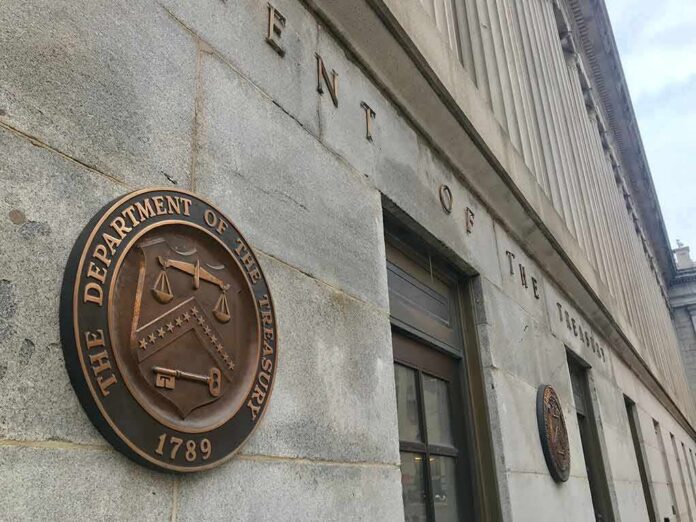
The U.S. Treasury cut off a Turkish bank it says moved money for Iran’s Quds Force, tightening a pressure campaign that could ripple across global finance.
Story Snapshot
- Treasury sanctioned Golden Global Bank and affiliates for alleged transfers tied to Iran’s Revolutionary Guard.
- Officials said the bank enabled tens of millions of dollars through correspondent accounts.
- The bank denied any wrongdoing and vowed to fight the action in court.
- The move fits a wider U.S. push using Executive Order 13902 to choke Iran’s finances.
What Treasury Did And Why It Matters
The U.S. Department of the Treasury designated Golden Global Yatirim Bankasi, known as Golden Global Bank, and related entities under Iran sanctions. Officials said the bank provided key correspondent banking access and helped move tens of millions of dollars linked to the Islamic Revolutionary Guard Corps-Qods Force. The action is part of Operation Economic Outcast and severs access to the U.S. financial system for the named parties. The step escalates pressure on Iran’s funding channels outside its borders.
Under the order, any property and interests of the sanctioned parties that touch the United States must be blocked. U.S. persons are generally barred from dealing with them. Non-U.S. banks face risk if they knowingly facilitate significant transactions for the designated entities. Treasury listed specific identifiers for the bank, including its address and messaging codes, to aid compliance teams worldwide. These measures push risk back onto intermediaries that might otherwise move Iran-linked funds.
How This Fits The Larger Sanctions Playbook
Treasury has used Executive Order 13902 to target people and firms that support Iran’s financial and petroleum sectors. The government has also paired this with counterterrorism tools against Islamic Revolutionary Guard Corps networks. Prior rounds hit shadow banking and front companies that helped sell Iranian oil and move proceeds through third countries. Officials say the aim is to deny Tehran the foreign currency it uses for military and proxy efforts. This case follows that tested model.
Since 2020, Treasury actions have included sweeping designations of Iranian banks and intermediaries under this authority. The government argues that cutting external cash flows shortens Iran’s reach in the region and raises costs for evasion. The current campaign, renewed under President Trump’s second term, continues that approach. Officials frame it as closing back doors in the global system, not only punishing Iran directly. That helps explain the focus on a smaller bank with strategic access points.
What Golden Global Bank Says And What Comes Next
Golden Global Bank rejected the allegations reported by Treasury. The bank said it follows local and international laws, that the individuals and entities named were not its customers, and that it had no direct or indirect dealings with them. The bank said it will pursue legal rights against what it called unfounded claims. These denials do not lift the sanctions, but they signal a challenge that could play out in Turkish courts and public forums.
Another Turkish bank over ties to Iran on the U.S. sanctions list
In a statement dated September 4, 2026 the U.S Department of the Treasury announced that Golden Global Bank was established to facilitate the transfer of oil revenues obtained by Iran's leadership network from… https://t.co/FOyIw0ymEQ pic.twitter.com/7Cgb9pS1XA
— Turkey out of NATO – Project 2028 (@Turkeyout2028) September 6, 2026
For everyday Americans, this fight shows how finance has become a frontline tool. When a bank loses access to U.S. dollars, costs rise for trade and energy. That can hit prices and supply chains if disruptions spread. Supporters say choking funds for the Islamic Revolutionary Guard Corps protects U.S. troops and allies. Critics worry that complex sanctions can sweep in bystanders and help large players while smaller firms and consumers pay more. Both concerns can be true at once.
Why Cross-Party Skeptics Should Watch This
Washington says it targets terror finance, yet global banks often find ways around rules while smaller actors get hammered. This action shows how power gathers at the top of the system. Treasury can freeze a bank’s life in a day, far faster than Congress fixes broken rules at home. Voters across the spectrum see a government quick to police overseas money flows but slow to lower costs, secure borders, or rein in waste. That gap keeps trust low and tempers hot.
What To Watch For In The Weeks Ahead
Watch if larger Turkish or regional banks cut ties to reduce risk. Monitor whether oil shipments tied to Iran stall or reroute. Look for any new general licenses or guidance that soften blowback on routine trade. See if Ankara protests or negotiates exceptions to protect its firms. And track whether Treasury widens the net to include more lenders or exchange houses that touch the same channels. Each step will show how far this campaign plans to go.
Sources:
zerohedge.com, bloomberg.com, home.treasury.gov, cnbc.com, thebanker.com, nampa.org