Three people are dead, including the gunman, and three others are hurt after a downtown Minneapolis high-rise shooting.
Story Snapshot
- Police rushed to 15 East Grant Street after 4:30 p.m., finding an active shooting with multiple victims.
- Three people died, including the suspected gunman; three more were injured, according to early reports.
- Officers arrived within minutes of the first calls and secured the scene amid ongoing gunfire.
- Investigators are working to confirm who was shot, who died, and how the shooter was killed.
Rapid Police Response At A Downtown High-Rise
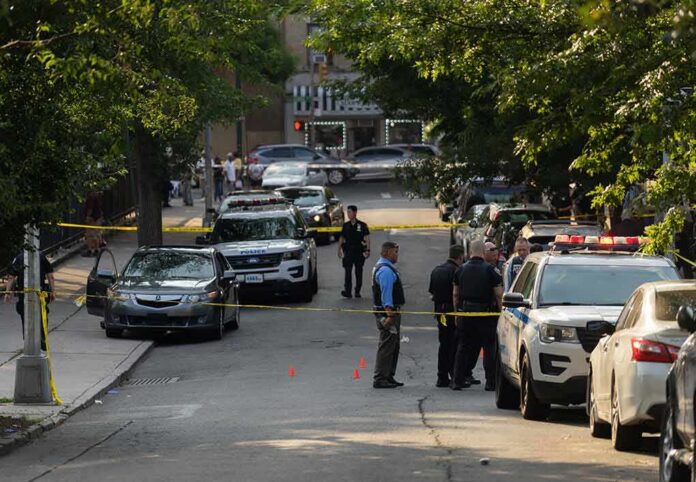
Minneapolis police received calls about gunfire at a high-rise at 15 East Grant Street late in the afternoon. Dispatch records and news accounts place the first call near 4:36 p.m., with officers arriving around 4:39 p.m. Reports described an active scene with multiple victims and shots still being fired as officers moved in. Police worked to locate victims, confront the shooter, and clear the building to prevent further harm to residents and bystanders.
Authorities confirmed three people were dead, including the suspected gunman, and three others were injured. Early updates often shift during the first hours of a case, but officials said investigators were focused on confirming identities, mapping the sequence of shots, and determining whether the gunman’s death was self-inflicted or the result of police fire. Crime scene teams began interviews, video collection, and evidence checks to lock in a reliable timeline for prosecutors and the public.
What Investigators Will Establish Next
Detectives will reconstruct the event using body-worn camera video, resident phone clips, witness interviews, and ballistics. Forensic teams will match shell casings to firearms and compare trajectories with camera timestamps. Medical examiners will confirm cause and manner of death for each victim. This methodical process is standard in critical incidents, where early details can be incomplete until formal reviews and autopsies finish their work. Officials will release updates through public information bulletins as findings are verified.
Hospitals that receive gunshot victims typically trigger surge plans and trauma protocols. Hennepin Healthcare, which runs Minnesota’s largest emergency department, has handled similar mass casualty surges before, coordinating surgery, blood supply, and family support while police maintain scene security and evidence integrity. Hospital-based violence intervention teams also connect victims and families to counseling and recovery services once patients are stabilized, which can reduce the risk of further harm.
Why This Hits A Nerve Citywide
Residents across political lines see a pattern that feels hard to shake: people call for help, police rush in, and the damage is already done. Conservatives often blame lenient policies and weak accountability for repeat violent offenders. Liberals often point to easy access to guns and gaps in social supports. Both sides agree that public safety systems feel reactive and slow, and that everyday people carry the cost when leaders fail to fix obvious gaps.
2 killed, several hurt in shooting at Minneapolis apartment building. Two people were killed and several others, including police officers, were injured in a shooting at a high-rise apartment building in downtown Minneapolis on Wednesday, authorities said.
The suspected shooter… pic.twitter.com/P1QvAqa0CY
— Steve Ruud (@ruud_steve9838) September 3, 2026
Events like this also test trust in official narratives. Clear and timely release of records—dispatch logs, body camera clips, and autopsy findings—helps the public see how decisions were made under pressure. Policies in Minnesota outline how agencies handle critical incidents and when to release information to the community. Transparent steps can calm rumors, honor victims, and show whether training and tactics matched policy and law.
Sources:
facebook.com, kstp.com, hennepinhealthcare.org, policinginstitute.org