Russia’s “holiday ceasefire” is being met with a blunt counteroffer from Ukraine that forces the Kremlin to prove whether it wants peace—or just a propaganda pause.
Quick Take
- Russia’s Defense Ministry says a unilateral two-day ceasefire will run May 8–9, timed to Victory Day commemorations.
- Ukraine responded by offering a longer, open-ended ceasefire starting at 00:00 on May 6, contingent on reciprocity.
- Both proposals are unilateral so far, with no confirmed mutually negotiated mechanism to verify compliance.
- Early reports of violations are circulating, but some claims remain unverified, underscoring the monitoring problem.
Russia’s two-day truce: narrow timing, big symbolism
Russia’s Defense Ministry announced a unilateral ceasefire in Ukraine for May 8–9, set to begin at midnight, aligning the pause with Russia’s Victory Day commemorations. The Kremlin framed the move as a humanitarian gesture, but the timing also places the announcement squarely inside Moscow’s most politically important patriotic holiday. Because the offer is limited to two days and tied to ceremony, the proposal reads less like a durable off-ramp and more like a controlled, short window.
BREAKING – Kremlin says its two-day Ukraine ceasefire will begin at midnight https://t.co/s1R3lHLBim pic.twitter.com/YK9Z8JCiKh
— Insider Paper (@TheInsiderPaper) May 7, 2026
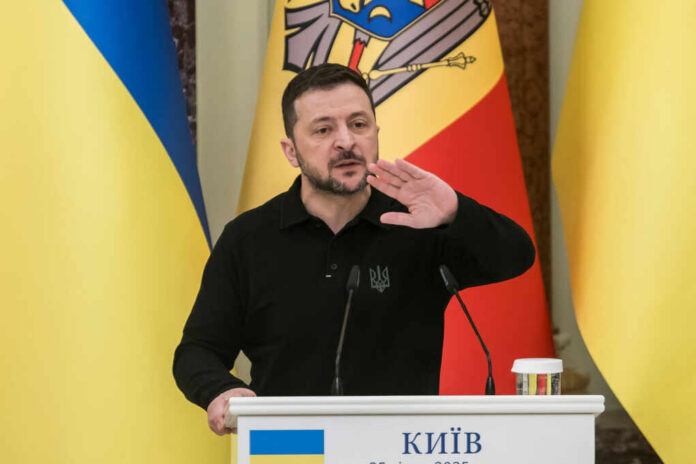
Ukraine’s leadership treated the Russian announcement as incomplete without reciprocity and verification. President Volodymyr Zelenskyy said Ukraine would support a ceasefire if Russia truly stopped attacks, but he pushed back on the idea that peace should be scheduled around anniversaries. Zelenskyy’s message emphasized that the point of a ceasefire is protecting human life, not creating a headline for a parade. The gap between a two-day truce and a sustainable halt matters because it shapes whether civilians get relief or simply a brief lull.
Ukraine’s counteroffer shifts the burden of proof
Ukraine answered the Kremlin’s plan with a broader proposal: an open-ended ceasefire starting at 00:00 on May 6—two days earlier than Russia’s stated window—so long as Russia reciprocates. The practical effect is to move the conversation from symbolism to testing intent. If Moscow accepts and holds fire beyond May 9, it signals interest in something more than a holiday pause. If Moscow refuses or violates the terms, the shorter Russian offer looks performative rather than peace-oriented.
The two proposals also highlight a persistent problem in this war: unilateral “ceasefires” without shared enforcement mechanisms are easy to announce and hard to trust. The research indicates there has been no confirmation of a mutual agreement, and both sides are effectively putting conditions on the other. Even when leaders claim they will comply unless attacked, front-line incidents can spiral quickly, especially without independent verification accepted by both parties. That structural weakness is why symbolic truces have often collapsed in earlier phases of the conflict.
Reports of violations show why verification is the real battlefield
As of May 7, Ukraine’s side says its ceasefire began at midnight May 6, but reports of continued Russian shelling in parts of the east have circulated through unofficial channels. The research notes that some of these accounts are unverified, which is not a technical footnote—it is the central challenge. Without trusted monitoring, each side can claim the moral high ground, and each can cite disputed incidents as justification to resume fire. That dynamic makes “who broke it first” a political weapon.
What this means for U.S. interests—and for public trust in institutions
For Americans watching from afar, the immediate question is whether this creates a real opening for de-escalation or simply reshuffles messaging ahead of a major Russian national event. A two-day pause may reduce violence briefly, but it does not resolve territorial disputes, security guarantees, or the war’s underlying incentives. From a conservative perspective centered on realism and limited government abroad, verification and enforceability are the difference between diplomacy and theater. U.S. policymakers—and taxpayers—have a stake in clarity about what outcomes are achievable.
The broader political undercurrent is familiar at home: citizens across the spectrum increasingly distrust elite narratives and staged optics, whether in Washington or abroad. When ceasefires are timed to ceremonies and announced without transparent mechanisms, skepticism is rational. The next few days will matter less for what is said in official statements and more for what is observed on the ground—especially whether violence truly drops from May 6 through May 9 and beyond. If the truce collapses quickly, it will reinforce the belief that institutions prioritize image over results.
Sources:
Kremlin says its two-day Ukraine ceasefire will begin at midnight
Ceasefire starting at midnight on May 6: why Zelenskyy called for an earlier and longer truce