King Charles III’s address to Congress urges Americans to reject isolationism and recommit to global alliances, raising questions about sovereignty in Trump’s America First era.
Story Highlights
- King Charles III delivered a 20-30 minute speech to a joint session of Congress on April 28, 2026, marking the 250th anniversary of U.S. independence from Britain.
- The monarch emphasized shared democratic values, unity despite differences, and alliances with Europe and the Commonwealth amid conflicts in Europe and the Middle East.
- Standing ovations from bipartisan Congress signal ceremonial goodwill, but calls to ignore “clarion calls” to division hint at anti-isolationist pressures.
- First such address since Queen Elizabeth II in 1991, symbolizing post-colonial reconciliation while global tensions test transatlantic bonds.
Event Details and Timeline
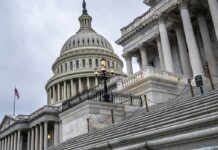
On April 28, 2026, King Charles III and Queen Camilla arrived at the U.S. Capitol for a joint session of Congress. Congressional leaders, including the Speaker and Vice President, introduced the royal couple with formal protocol, including a gavel strike and applause. The King delivered his address, lasting approximately 20-30 minutes in core content, with full video recordings around 32-36 minutes. Standing ovations punctuated the speech, reflecting bipartisan respect during America’s semi-quincentennial preparations.
Core Themes of the Address
King Charles III expressed the British people’s “highest regard and friendship” for the United States. He highlighted shared values in democracy, peace, and compassion, urging both nations to stand united despite differences. References to ongoing conflicts in Europe and the Middle East underscored commitments to alliances like NATO and the Commonwealth. The speech called for ignoring “clarion calls” to division—interpreted by analysts as a nod against isolationism—and ended with blessings for enduring reconciliation 250 years after independence.
Historical Context and Precedents
This marks the first address by a British monarch to a joint session of Congress since Queen Elizabeth II’s 1991 speech during the Gulf War, which celebrated post-Cold War democratic ties. The event builds on the post-WWII “special relationship,” formalized through NATO, evolving from colonial conflict to alliance. Timed for the July 4, 2026, 250th anniversary, it reinforces U.S.-U.K. bonds amid global challenges, with the Capitol as the “citadel of democracy” hosting symbolic mutual respect.
Joint addresses by foreign heads of state remain rare honors, reserved for milestones. Earlier royal visits, like King George VI in 1939, lacked joint sessions. The White House and U.K. Foreign Office coordinated the state visit, with Congress approving the platform to signal goodwill across states, territories, and cities.
FULL SPEECH: King Charles III addresses Joint Session of Congresshttps://t.co/jvNC75rWzU
— ConspiracyDailyUpdat (@conspiracydup) April 28, 2026
Implications for U.S. Policy and Alliances
Bipartisan applause boosts short-term diplomatic morale, spotlighting resilience in NATO and European ties during conflicts. Long-term, it strengthens security, trade, and climate cooperation in the “special relationship,” aiding defense and media sectors while boosting tourism. Socially, it promotes interfaith compassion, though uniform media positivity overlooks monarchy critiques. In Trump’s second term, with GOP control, such foreign endorsements of globalism contrast America First priorities, fueling frustrations over elite-driven foreign entanglements versus domestic focus.
Americans on both sides—conservatives wary of globalism and overspending, liberals concerned with divides—share distrust of distant elites prioritizing alliances over the American Dream. This ceremonial unity, while historic, spotlights tensions between sovereignty and international pressures, departing from founders’ independence principles.