Vladimir Putin told his ruling party that Russia will hold nationwide elections on schedule “even in the most difficult conditions,” casting the vote as proof of strength amid war and pressure.
Story Snapshot
- Putin said September elections will proceed on time and under Russian law.
- He framed the moment as a “difficult period” that tests Russia’s system.
- State-aligned outlets echoed that Russia will not deviate from elections.
- Scholars say such votes can signal regime control in hard times.
Putin’s Pledge: Elections Proceed Under Strain
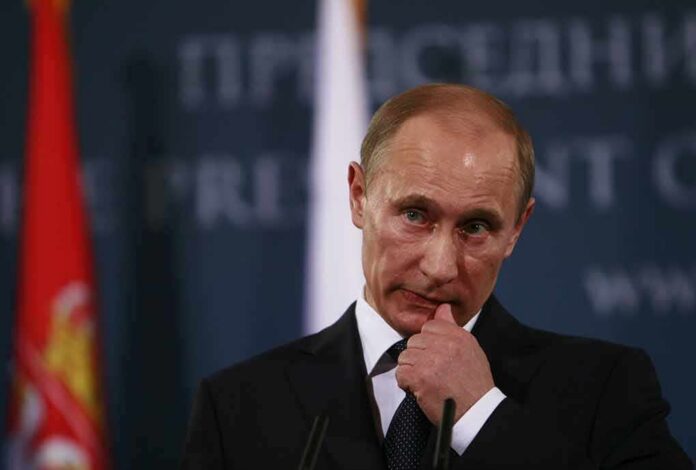
On June 28, President Vladimir Putin addressed the United Russia party congress in Moscow and said elections will take place “within the established timeframe, in strict correspondence with the law.” He described the period as “difficult” and part of a broader global shift. He linked the vote to state order and security, and said authorities would take measures to protect the process. The Kremlin posted the remarks and timing, anchoring the plan to proceed in September.
State-friendly media carried the same message. Reports highlighted that Russia would not abandon elections or principles of popular rule despite challenges. They aligned with the Kremlin’s theme of continuity under stress and suggested the coming vote would show national stability. These pieces also echoed Putin’s call for unity as the country faces ongoing conflict and external pressure. Together, the coverage reinforced the signal that the timeline and rules would stand.
What This Signals About Power And Stability
Political researchers explain that some governments hold regular elections to project control, manage elites, and display normal life, even when real competition is narrow. In Russia’s case, studies describe a system that uses elections to show strength and continuity during hard times. Keeping the calendar steady can calm supporters and warn rivals that the center still holds. That is why the pledge to vote “even in difficult conditions” fits a known pattern.
These votes can also serve as a stress test. A large win can signal that key players should stay in line, while a weaker result can expose cracks. Analysts note that, over many cycles, such systems adapt the rules to limit risk. The aim is resilience: lock in unity, reduce surprises, and keep the story of stability alive. Putin’s speech placed the September vote squarely in that frame of order and continuity.
Why Americans Should Care
Russia’s promise to hold elections during war touches U.S. interests and values. A steady Russian ballot, even with tight control, helps Moscow claim legitimacy at home and abroad. That affects energy markets, sanctions debates, and security planning. For Americans frustrated with elites and political theater, this is a reminder: elections can be used to show strength, not just to allow choice. Knowing the playbook helps citizens read global moves with clear eyes.
Putin is preparing Russia for more war, not peace.
At the United Russia congress, he doubled down on the war and positioned the party as Russia’s political “war party.”
The danger: after the September Duma elections, the Kremlin may seek another wave of Russian manpower for the… pic.twitter.com/F5xWn5NybM
— Lew Anno Support#USA#NATO#Ukraine 24/2-22 (@anno1540) August 23, 2026
The headline message is simple: the Kremlin is making continuity the brand. The risk is also clear: when the form of voting remains but the space for challenge shrinks, the ballot becomes a ritual of stability more than a contest of ideas. Putin’s congress speech set that tone for September. The result will shape how Russia manages its war posture, its economy under strain, and its message to the world about who is in charge and for how long.
Sources:
youtube.com, en.kremlin.ru, rt.com, yahoo.com, css.ethz.ch, eusp.org, socialsciences.cornell.edu, diva-portal.org, bti-project.org