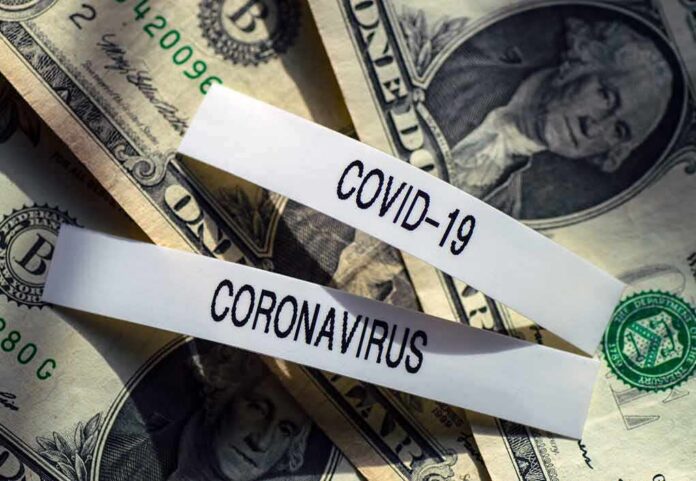
Federal prosecutors say a summer crackdown netted charges against nearly 80 people tied to about $100 million in suspected COVID loan fraud, part of a wider push totaling $245 million in intended losses to taxpayers.
Story Highlights
- Justice Department reported nearly 80 new felony cases in a national summer surge.
- Operation targeted suspected fraud in Small Business Administration pandemic loan programs.
- Officials cited 160+ defendants and $245 million in intended losses across cases.
- Small Business Administration watchdog estimates $36 billion in likely fraudulent loans.
What Federal Authorities Announced
Justice Department leaders said a coordinated summer enforcement surge focused on fraud in Small Business Administration pandemic loans. Officials described new felony charges against nearly 80 defendants and a wider set of actions spanning more than 160 defendants, tied to about $245 million in intended loss. They said over 40 United States Attorney’s Offices took part, along with the Small Business Administration and its inspector general. The department framed the work as ongoing and nationwide.
Internal Revenue Service Criminal Investigation echoed those totals in regional updates. Local releases described indictments, guilty pleas, and sentencings that tie into the national surge. Officials said the enforcement drive cut across districts and used both criminal and civil tools. That means prosecutors sought charges, restitution, and judgments to try to recover funds or punish fraud where they found it. These pieces suggest a long tail of cases still moving through courts.
How The Fraud Allegedly Worked
Case summaries show a mix of alleged playbooks. One indictment accused a Nevada tax preparer and others of a large scheme that used fake businesses and false claims to land pandemic loans worth more than $14 million. Another case involved a Los Angeles man charged with getting more than $2 million in relief funds and moving money into cryptocurrency. These examples show typical tactics: false payrolls, fake employees, and identity theft to pass lender checks.
Prosecutors in the Western District of Missouri said their office filed charges, secured pleas and sentences, and won civil judgments against 15 defendants linked to more than $60 million in actual or intended losses. That mix shows how cases can end in different ways depending on the evidence and the dollar trail. Some defendants fight charges. Others plead and face sentencing. Civil tools can also claw back funds when criminal proof is not the best path.
Why The Numbers Are So Large
The Small Business Administration’s inspector general estimated a pool of loans likely to be fraudulent at about $36 billion across the Paycheck Protection Program and the Economic Injury Disaster Loan program. That estimate came from data analysis and further review. It does not make a criminal finding on each loan, but it signals the scale of the problem. The size helps explain why agencies continue to spend resources on these cases years after disbursement.
Justice Department reports use both “intended loss” and actual loss figures. Intended loss reflects what fraudsters allegedly tried to take, which can be higher than what they received or what courts later confirm. Officials still use that metric because it shows the harm aimed at taxpayers and can guide charging and sentencing decisions. As cases close, courts set final restitution and forfeiture numbers based on proven facts in each record.
What It Means For Taxpayers And Small Businesses
Taxpayers funded fast aid to keep paychecks flowing when lockdowns hit. That speed also left cracks that criminals and opportunists could exploit. The current wave of cases shows the government is still working to repair that damage. Honest small businesses that followed the rules may feel burned by the fraud headlines, but enforcement aims to level the field. Stronger screening by lenders and the government may also shape how future emergency aid gets out the door.
Both conservatives and liberals worry that powerful insiders bend programs while regular people face red tape. These cases point to a different but related failure: weak controls that let fake firms and stolen identities siphon public money. When that happens, trust falls and real needs go unmet. Targeted enforcement, public case lists, and clear recovery results can help rebuild trust. Transparent numbers and plain-language updates will matter as much as arrests and press releases.
What To Watch Next
More indictments, pleas, and sentencings are likely as agents follow bank records and lender files. Watch for restitution orders that show how much money the government actually recovers. Look for updates on how many cases involve identity theft versus willful lies by applicants. District-by-district maps of actions could reveal hot spots. Clearer accounting on intended versus actual loss would also help taxpayers see progress and judge the value of continued enforcement.
Sources:
zerohedge.com, justice.gov, irs.gov, oversight.gov