A fatal shooting at a Fort Hood recreation area has revived old fears about safety, truthfulness, and accountability on America’s largest military installations.
Story Snapshot
- One civilian was killed and at least two others were injured during a shooting at Fort Hood’s Belton Lake Outdoor Recreation Area.
- Army officials say the incident stemmed from an altercation, not an active-shooter attack on the main post, and insist there was no broader threat to the community.
- Army Criminal Investigation Division has opened a case, but few investigative details have been released so far.
- Past mass shootings at Fort Hood make many Americans skeptical of early reassurances and hungry for full transparency.
What Officials Say Happened At The Fort Hood Recreation Area
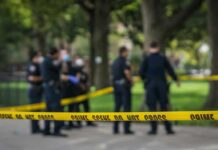
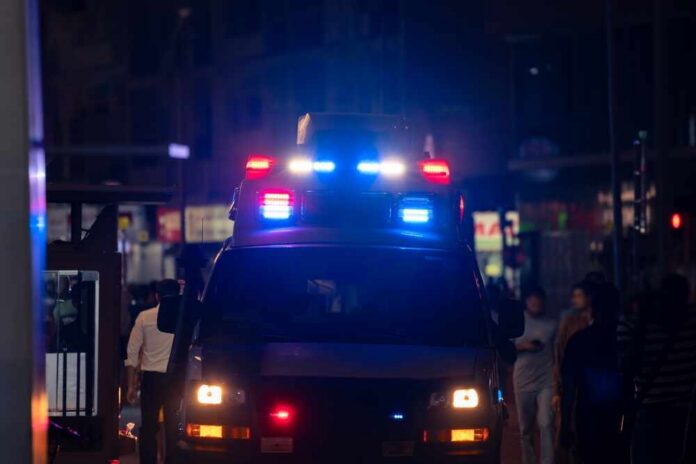
Fort Hood officials report that gunfire erupted late Saturday night at the Belton Lake Outdoor Recreation Area, a lakeside park run by the Army that is open to the public near the installation. They say military police responded to a fight in a large crowd when shots were fired, leaving one civilian dead and at least two other people injured, including a service member with minor wounds who was treated at the scene and released.
Army statements describe the event as an altercation that escalated into a fatal shooting rather than a roaming active-shooter attack across the base. Officials emphasize that multiple shots were fired during the confrontation but that the scene was quickly secured, first responders from on and off post moved the injured to area hospitals, and the Belton Lake Outdoor Recreation Area was able to reopen the next day after law enforcement completed their initial work at the site.[4]
“No Active Shooter On Post” — How The Incident Is Being Framed
Fort Hood’s leadership has gone out of its way to stress what this incident was not. Public affairs officials and local coverage quote them saying there was “no active shooter on post,” no lockdown of the fortified cantonment area where most troops live and work, and “no ongoing threat to the community.”[4] They are drawing a sharp line between a deadly confrontation at a public recreation area and a basewide security breakdown like the mass shootings Americans remember.
That framing matters because the label attached to an event shapes everything from emergency protocols to media coverage to public trust. An “altercation” suggests a localized crime that, however tragic, does not challenge the overall security of the installation. An “active shooter on post” suggests system failure and raises questions about whether the government is protecting its own people. Officials have placed the case in the hands of the Army Criminal Investigation Division, which is still in the early stages of gathering facts and has not released a full narrative or findings.[4]
Why Many Americans Are Skeptical After Fort Hood’s Violent History
For many citizens, especially those who served or had family at Fort Hood, reassurances ring hollow without detailed evidence. The installation, now formally designated Fort Cavazos but still widely called Fort Hood, has lived through two notorious mass shootings, in 2009 and 2014, that exposed serious lapses in threat detection and response.[1][3] Those older failures left lasting scars and taught many people on both the left and right to doubt early official messaging after any new burst of violence.
That history helps explain why social media quickly filled with posts describing a “shooting at Fort Hood” and treating it as another major base incident, even as officials were narrowing the description to the lakeside recreation area. News headlines that lead with “Fort Hood shooting” can blur the difference between a homicide at a public park and a coordinated attack inside secure areas. Once that impression sets in, it is easy for frustrated Americans to conclude that the government is downplaying danger, whether out of public-relations instinct or deeper institutional self-protection.[4]
Transparency, The Deep State, And What Comes Next
Across the political spectrum, many Americans now assume that powerful institutions release the minimum information they can get away with and clean up the story later. In this case, there is still no public incident report, no 911 audio, no dispatch logs, no autopsy or ballistics detail, and no witness statements on the record to corroborate the official narrative of a contained altercation. The Army Criminal Investigation Division controls those records, and they may take months to emerge, if they become public at all.[4]
🔴 One killed in shooting between Fort Hood MPs and civilians at recreation area
Two military police officers from Fort Hood responded to a fight at Belton Lake Outdoor Recreation Area on May 23 shortly after 9 p.m. Gunfire broke out as they attempted to disperse the crowd.
One… pic.twitter.com/pP2a18SSPp
— NewsTongue (@NewsTongueX) May 24, 2026
Reasonable people can accept that investigators must protect privacy and preserve evidence, but that need for caution collides with a larger crisis of confidence. Conservatives and liberals alike see a pattern: when something goes wrong, the system closes ranks, talks about “ongoing investigations,” and expects citizens to simply trust the process. The Fort Hood recreation-area shooting is another test of whether the military and the broader government are willing to earn that trust by eventually opening the books and letting the facts speak, even if they raise hard questions about security, policing, or leadership.
Sources:
[3] Web – 2014 Fort Hood, Texas, mass casualty incident – PMC – NIH
[4] Web – Army CID investigates deadly shooting incident at BLORA – KXXV